
Last Updated on February 10, 2026
Most people assume they only need a dental visit when something feels off—pain, sensitivity, swelling, or a chipped tooth. The truth is, oral health concerns often build quietly, and by the time symptoms show up, the issue can take more time to manage. Knowing the right visit schedule helps you stay ahead of problems and protect your smile long-term. If you’re thinking about Pembroke Pines dental care, it helps to know what most patients misunderstand about timing.
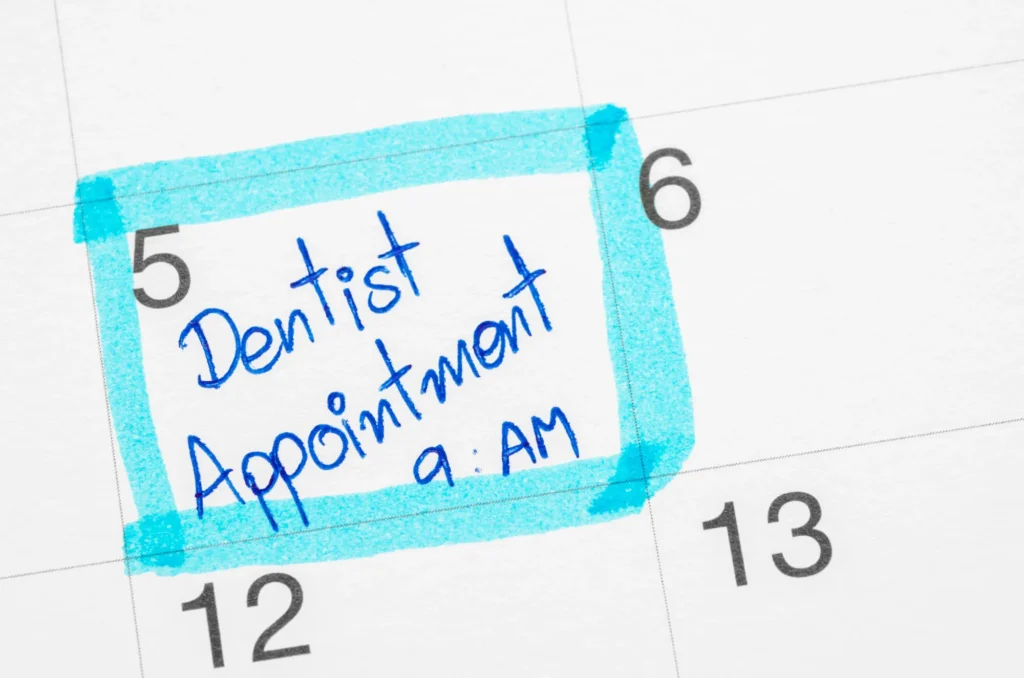
Why “Every Six Months” Isn’t Always the Full Answer
Where the Six-Month Rule Comes From
The recommendation to visit the dentist every six months is common for a reason. Two visits a year create a routine that supports prevention, early detection, and professional cleaning. For many patients, this schedule works well and helps maintain stable oral health.
That said, it’s not a one-size-fits-all rule. Some patients benefit from more frequent visits, while others may stay healthy with slightly longer intervals. Your dentist’s job is to determine what schedule fits your needs based on your oral health history and risk factors.
Why Some Patients Wait Too Long
Many adults delay dental visits because nothing hurts. Others assume brushing is enough, or they worry that dental care will be time-consuming. Another common reason is a busy schedule. The problem is that plaque buildup, gum irritation, and small cavities can progress quietly. Waiting longer often makes treatment more involved later.
How Dental Visits Support More Than Clean Teeth
A dental visit isn’t just a cleaning. It’s also an opportunity to evaluate gum health, identify early enamel changes, check existing dental work, and catch issues between teeth that can’t be seen at home. Consistent visits help keep care proactive rather than reactive.
What Most Patients Get Wrong About Dental Visit Frequency
Mistake #1: Waiting Until Something Hurts
Pain is not always an early warning sign. Teeth can develop cavities without noticeable discomfort. Gum irritation may begin with mild bleeding rather than pain. Even cracks can exist without symptoms until they become more serious.
Routine dental visits catch these issues early, before they start affecting daily comfort.
Mistake #2: Assuming Good Brushing Means You Don’t Need Cleanings
Brushing and flossing matter, but they don’t remove everything. Tartar forms when plaque hardens, and it cannot be removed with a toothbrush. Professional cleanings clear buildup from the gumline and hard-to-reach areas, supporting healthier gums and fresher breath.
Mistake #3: Thinking Dental Visits Are Only for Cavities
Dental exams also evaluate gum tissue, bone support, bite patterns, enamel wear, and oral changes that may not be obvious at home. Many patients don’t realize how much an exam can reveal even when the teeth look fine in the mirror.

How Often Should You See a Dentist in Most Cases?
For Patients with Generally Healthy Teeth and Gums
If you have stable gum health, no major dental issues, and a consistent home care routine, a twice-a-year schedule often works well. These visits focus on routine cleanings, exams, and preventive monitoring.
For Patients Who Are Prone to Cavities
Some people develop cavities more easily due to enamel structure, diet patterns, dry mouth, or past dental history. These patients may benefit from more frequent visits. A shorter interval helps catch early enamel changes and reduce the chances of problems growing between appointments.
For Patients with Gum Concerns
Gum health often needs closer monitoring. If gums show signs of inflammation, deeper pocket measurements, or frequent bleeding, your dentist may recommend visiting more than twice per year. This supports gum stability and helps manage plaque buildup in sensitive areas.
For Patients with Ongoing Dental Work
Crowns, bridges, bonding, dentures, and implants all benefit from consistent monitoring. Routine visits help check margins, fit, stability, and gum response around dental work. A steady schedule helps protect your investment and supports long-term comfort.
Signs You May Need More Frequent Visits
You Notice Gum Bleeding
Bleeding when brushing or flossing can be a sign of gum irritation. Even minor bleeding matters because it often reflects buildup at the gumline. More frequent visits may help stabilize gum health and reduce inflammation.
You Get Frequent Buildup Between Teeth
Some patients build tartar quickly, even with consistent brushing. Genetics, saliva chemistry, and alignment can affect buildup patterns. Regular cleanings help manage this and keep gums comfortable.
You Have Persistent Bad Breath
Bad breath can have many causes, but plaque buildup and gum inflammation are common contributors. If breath problems don’t improve with better brushing and flossing, a dental exam can provide clarity.
You Experience Sensitivity
Sensitivity to cold, sweets, or pressure can indicate enamel wear, early cavities, or gum recession. A dentist can identify the cause and recommend appropriate care.
You’ve Had a Long Gap Between Visits
If you haven’t seen a dentist in years, it’s common to need a more structured plan at first. That may mean follow-up visits to address buildup, gum irritation, or needed repairs.
How to Know Your Best Dental Visit Schedule
Your Oral Health History Matters
Past cavities, gum problems, or previous dental procedures influence what your teeth may need going forward. A dentist can recommend a schedule that matches your risk level rather than following a generic timeline.
Lifestyle Makes a Difference
Diet patterns, stress, smoking, and dry mouth all influence oral health. Your dentist considers these factors to create a schedule that supports better stability over time.
Consistency Supports Better Results
Patients often assume dental care is all-or-nothing. In reality, steady visits do more than urgent visits spaced far apart. Regular checkups create a clearer long-term view of what your mouth needs.

Schedule Your Next Pembroke Pines Dental Visit
Dental visits aren’t only for problems. They are also for prevention, monitoring, and long-term oral stability. The right schedule keeps care manageable and supports comfort, function, and confidence. Whether you’ve been consistent for years or you’re rebuilding your routine, the goal is steady progress and clear guidance.
Horizon Dental Care is committed to providing patient-centered care that feels supportive, clear, and comfortable. If you’re unsure how often you should schedule dental visits, the team is here to help you create a plan that fits your needs and supports long-term oral wellness. Book an appointment today and experience care focused on prevention, education, and lasting comfort.