
Last Updated on May 5, 2026
If you’ve been considering clear aligners, one of the first questions that comes up is simple: how long will it take? A trusted Miramar dental provider will usually explain that Invisalign® treatment isn’t one-size-fits-all. Some smiles shift quickly. Others need more time.
The good news is that most patients start seeing changes sooner than expected, which keeps motivation high from the start. Invisalign works through a series of carefully designed aligners that guide your teeth into better positions over time. Each stage builds on the last, creating steady, controlled progress. Knowing what to expect helps you stay committed and confident as your smile improves.

Understanding the Invisalign Timeline
Average Treatment Time
Most Invisalign cases take 12 to 18 months. That range covers a wide variety of alignment needs, from mild spacing to moderate crowding or bite concerns. Simpler cases can be completed in as little as 6 months, especially when only minor adjustments are needed. On the other end, more complex cases—such as significant bite correction—may take closer to 18 to 24 months.
The timeline depends on how much movement is required. Teeth don’t shift overnight. They respond to gentle, consistent pressure. Invisalign is designed to move them safely without causing unnecessary strain. This controlled approach protects your oral health while delivering reliable results.
When You’ll Start Seeing Results
One of the most encouraging aspects of Invisalign is how quickly you can begin to notice changes. Many patients report visible improvements within the first few weeks. These early shifts may be subtle, though they signal that the treatment is working.
As the weeks go by, those small changes become more noticeable. Gaps begin to close. Crowded areas start to open up. The gradual nature of the process often feels more natural compared to traditional braces. You’re not dealing with sudden adjustments or discomfort spikes. Instead, your smile evolves steadily.
How Often Aligners Change
Invisalign aligners are typically switched every 1 to 2 weeks. Each new set is slightly different from the last, applying pressure in targeted areas to continue the movement. This step-by-step progression allows for precise control.
Staying on schedule is important. Delaying a switch can slow your progress. Moving too quickly without guidance can affect results. Following the recommended timeline keeps your treatment predictable and efficient.
What Happens at Check-In Visits
Periodic check-ins play an important role. These appointments allow your provider to monitor how your teeth are responding. Adjustments can be made if needed, helping to keep everything on track.
These visits are usually quick and straightforward. Many patients appreciate that Invisalign requires fewer in-office visits compared to traditional braces. It’s a more convenient option for busy schedules.
What Impacts Your Invisalign Results
1. Case Complexity
The complexity of your case has a major influence on treatment length. Mild spacing or slight crowding can often be corrected quickly. More advanced concerns—such as rotated teeth, bite misalignment, or overlapping teeth—require additional time.
Each movement must be planned carefully. Teeth need to shift in a way that maintains balance across your bite. That level of precision adds time but leads to better long-term results.
2. Consistency with Wear Time
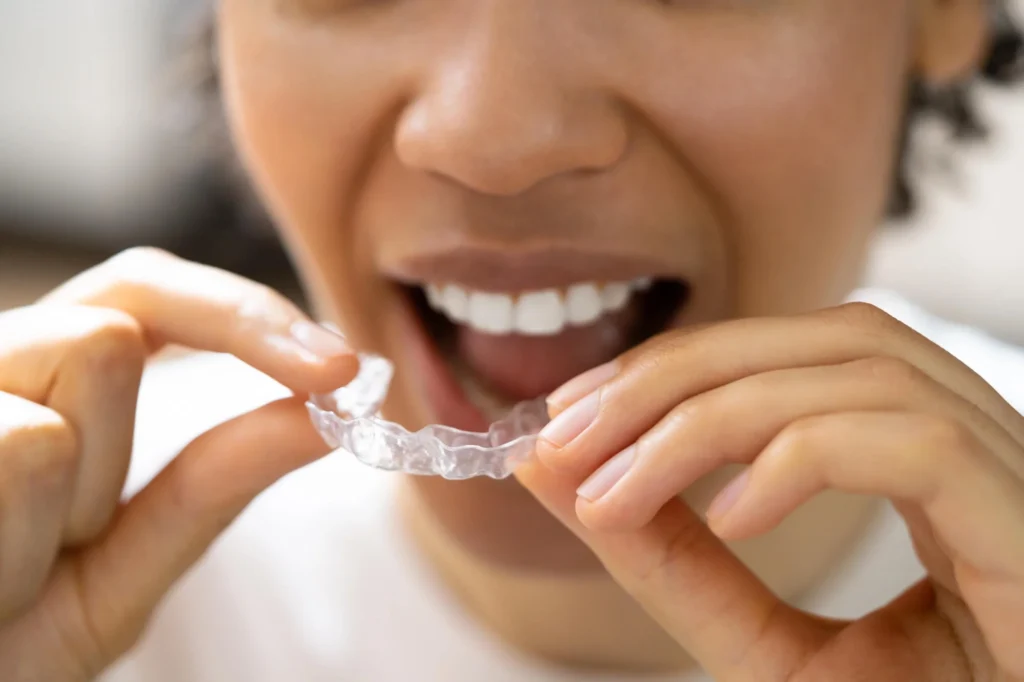
Wearing your aligners consistently is one of the biggest success factors. Invisalign aligners should be worn 20 to 22 hours per day. Removing them too often can slow or even reverse progress.
It helps to think of aligners as part of your daily routine. You remove them to eat and clean your teeth, then place them right back in. Staying consistent allows each set of aligners to do its job fully before moving on.
3. Age and Bone Response
Teeth can be moved successfully at almost any age. Younger patients may see slightly faster results because their bone structure is still developing. Adults still achieve excellent outcomes, though movement can take a bit longer.
The key is how your bone responds to pressure. Invisalign works by gently guiding teeth through the bone. That biological process takes time, no matter your age.
4. Oral Health Condition
Healthy teeth and gums create the ideal environment for Invisalign. If there are underlying issues—such as gum disease or untreated cavities—those need to be addressed first.
Strong gum support helps teeth move safely. Starting treatment with a healthy foundation reduces the risk of complications and keeps your timeline predictable.
5. Following Instructions
Small details matter more than most people expect. If attachments or rubber bands are part of your treatment, wearing them as directed supports proper alignment. Skipping these steps can lead to delays or less precise results.
Consistency, attention to detail, and communication with your provider all contribute to a smoother experience.
6. Lost or Damaged Aligners
Losing an aligner or damaging one can interrupt your progress. If an aligner isn’t worn for the full recommended time, teeth may not shift as planned. Replacing it or adjusting your sequence can extend your timeline slightly.
Keeping your aligners stored safely when not in use helps avoid these issues.
7. Lifestyle Habits
Habits such as frequent snacking or drinking beverages (other than water) while wearing aligners can affect your routine. Removing aligners often increases the risk of not meeting daily wear time.
Sticking to a structured routine helps maintain consistency.
8. Refinements
Some patients require refinements at the end of treatment. These are additional aligners designed to fine-tune the final result. Refinements are common and help achieve a more polished outcome.
They may add a few weeks or months to your treatment, though they ensure your smile looks its best.
Tips to Stay on Track
- Wear Aligners as Directed: Consistency makes a noticeable difference. The closer you stick to the recommended wear time, the smoother your progress will be.
- Keep Up with Appointments: Regular visits allow for adjustments and guidance. These check-ins keep your treatment moving forward without unnecessary delays.
- Practice Good Oral Hygiene: Clean teeth and aligners support overall oral health. Brushing and rinsing regularly helps prevent buildup and keeps your aligners clear.
- Stay Organized: Keep your aligners in their case when not in use. Having a routine for storage reduces the risk of losing them.
- Stay Patient and Positive: Progress may feel slow at times. That’s normal. Each stage builds on the last. Over time, the changes become more noticeable and rewarding.
Are You Ready to Start with a Trusted Miramar Dental Provider?
If you’re curious about your timeline, the best next step is a personalized consultation.
At Horizon Dental Care, we take the time to evaluate your smile, walk you through what to expect, and create a plan tailored to your goals. Every case is unique, and having a clear roadmap makes the process feel more manageable.
Reach out to our team today to schedule your visit and discover how your smile can transform with Invisalign.
*Invisalign®, the Invisalign logo, and iTero®, among others, are trademarks and/ or service marks of Align Technology, Inc. or one of its subsidiaries or affiliated companies and may be registered in the U.S. and/or other countries.