
Last Updated on May 22, 2026
Most people think of dental visits as something scheduled only when discomfort appears. In reality, routine dental care is often designed to monitor oral health before noticeable problems begin. Dental exams, digital imaging, and personalized home care recommendations all help create a clearer understanding of what is happening beneath the surface. Whether you have kept appointments consistent or it has been several years since your last visit, understanding what happens during appointments with a Pembroke Pines preventive dentist can help make dental care feel more approachable.
What Is Preventative Dentistry?
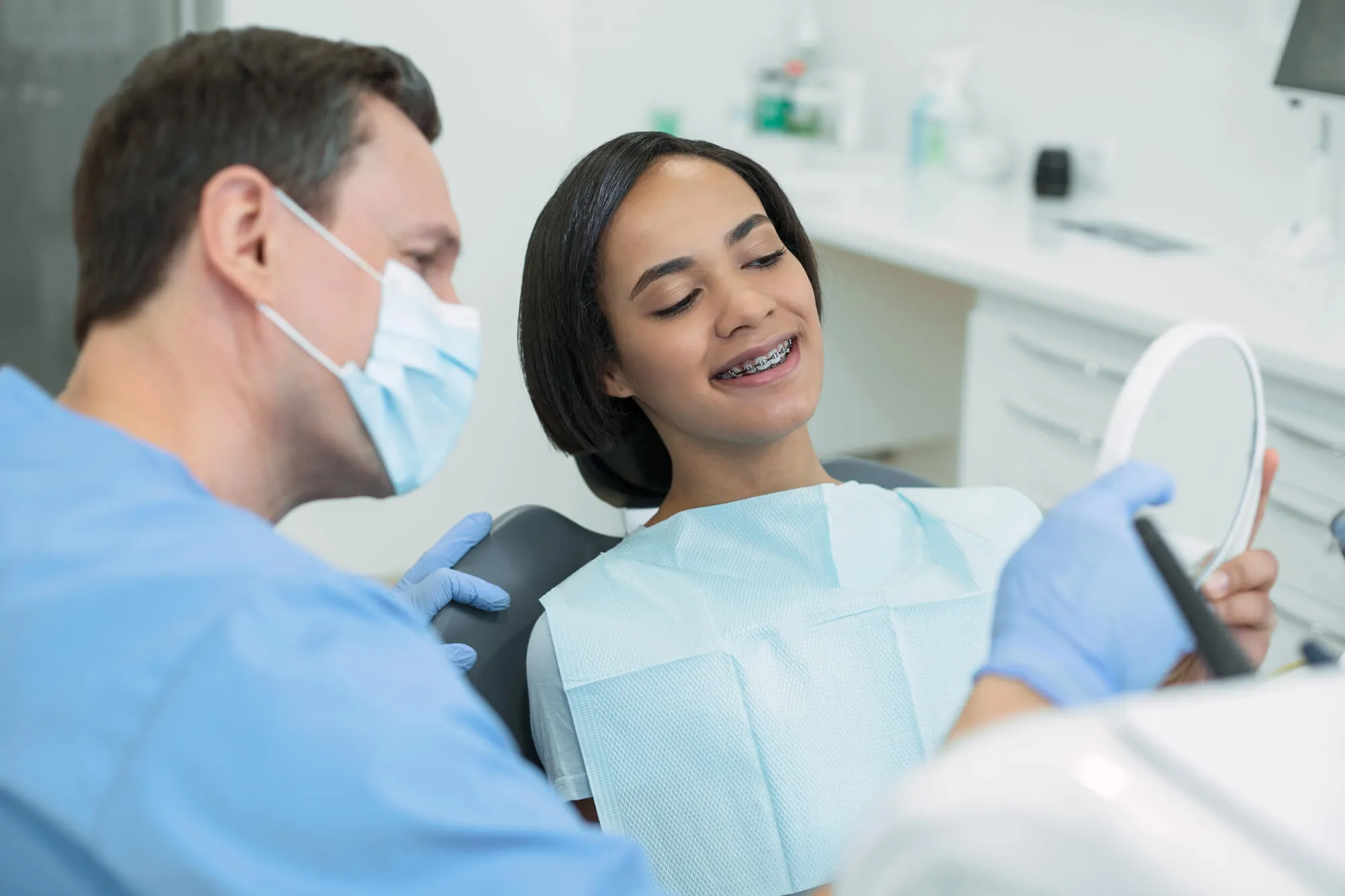
Preventative dentistry focuses on maintaining oral health through regular evaluations, diagnostic imaging, and daily oral hygiene. Rather than waiting for symptoms to become more advanced, preventative care allows dentists to monitor changes over time and identify concerns earlier.
Preventative dentistry includes:
- Dental exams
- Digital imaging
- Dental X-rays
- Home care guidance
These services work together to support long-term oral health while helping patients better understand the condition of their teeth and gums. Preventative care also creates opportunities for patients to ask questions about sensitivity, bite changes, oral hygiene routines, or habits that may affect oral health over time.
Why Preventative Dental Visits Matter
Dental concerns do not always cause pain immediately. Cavities, enamel wear, gum irritation, and infections may develop gradually without obvious symptoms in the early stages.
Routine preventative visits allow dentists to monitor:
- Changes in tooth structure
- Early signs of decay
- Gum health
- Existing dental restorations
- Bite alignment
- Areas of wear or grinding
Consistently monitoring these changes helps dentists compare findings over time rather than evaluating problems only after discomfort appears.
According to the Centers for Disease Control and Prevention, untreated cavities remain one of the most common chronic conditions affecting both children and adults in the United States.
Preventative dentistry also supports patient education. Many patients are unaware of how daily habits, diet, stress, or teeth grinding can affect oral health until those patterns are discussed during routine visits.
What Happens During a Dental Exam?
A dental exam is one of the most important parts of preventative dentistry. During the appointment, the dentist carefully evaluates the teeth, gums, jaw, and surrounding oral tissues.
Evaluating Tooth Health
The dentist checks for:
- Cavities
- Cracks
- Enamel wear
- Tooth damage
- Existing filling or crown concerns
Even small areas of decay or structural damage may become more noticeable over time if left unmonitored. Identifying these changes early often allows for more conservative treatment planning.
Assessing Gum Health
Healthy gums help support the teeth and surrounding structures. During the exam, the dentist evaluates the gums for signs of:
- Redness
- Swelling
- Bleeding
- Recession
- Pocket depth changes
Gum inflammation can sometimes develop gradually, especially when plaque accumulates near the gumline. Regular monitoring allows dentists to evaluate changes before gum disease progresses further.
Checking Bite and Jaw Function
Preventative dentistry also involves evaluating how the teeth fit together and how the jaw functions during movement.
Some patients develop:
- Teeth grinding
- Jaw tension
- Uneven wear patterns
- Bite imbalances
These concerns may contribute to tooth sensitivity, fractures, or jaw discomfort over time.
The Role of Digital Imaging in Preventative Dentistry
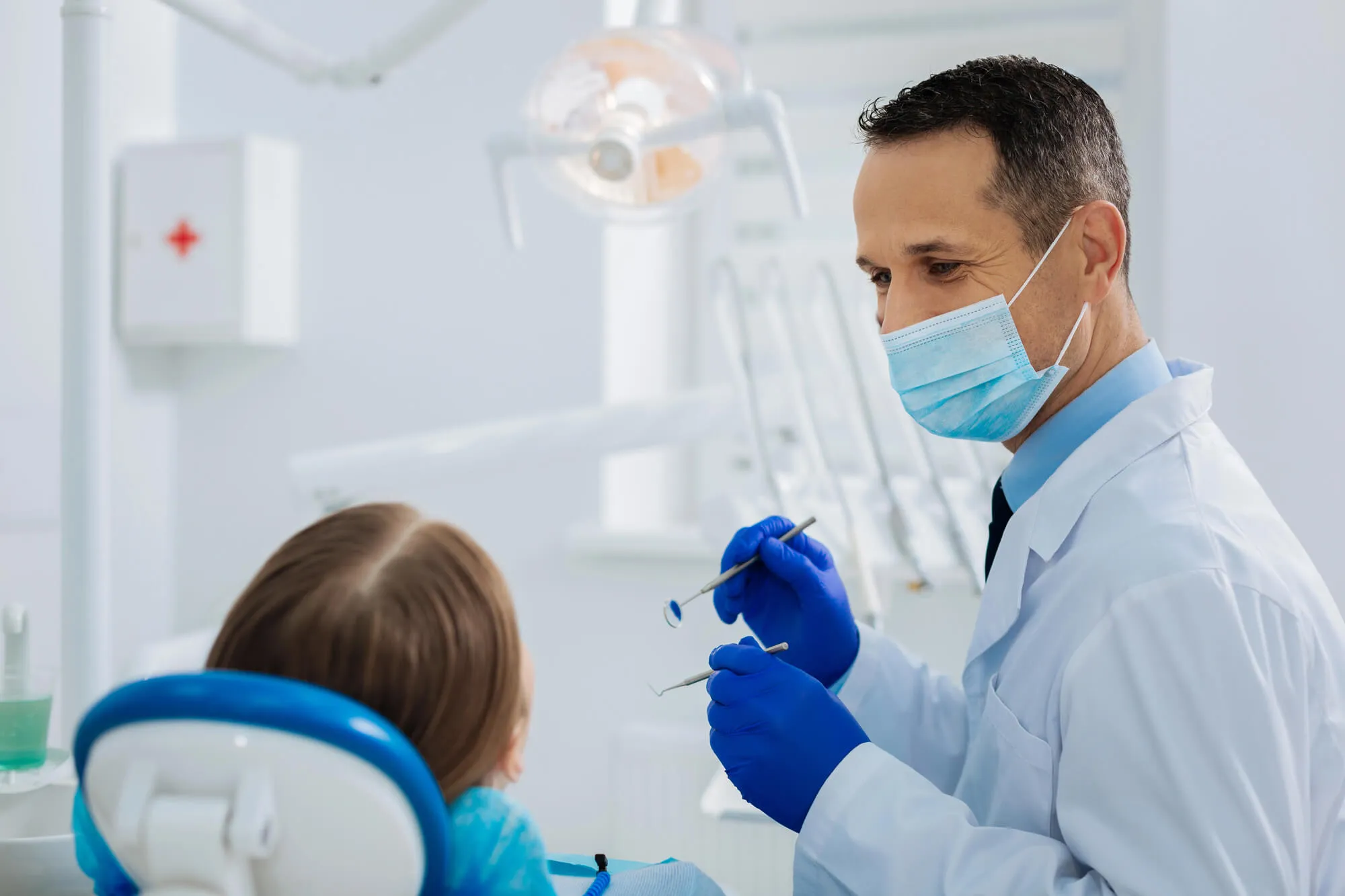
Not every dental concern is visible during a visual examination alone. Digital imaging allows dentists to evaluate structures beneath the surface and gather more detailed diagnostic information.
What Digital Imaging Can Reveal
Digital imaging may help identify:
- Bone loss
- Infections
- Hidden decay
- Tooth positioning concerns
- Root abnormalities
- Developmental issues
This technology enables dentists to detect areas that may otherwise go undetected during routine visual exams.
Benefits of Digital Imaging
Modern digital imaging systems provide several advantages:
- Faster image viewing
- Enhanced image clarity
- Improved patient communication
- Lower radiation exposure compared to older film systems
Because images appear quickly, dentists can often review findings with patients during the same appointment.
Digital imaging also helps create records that allow dentists to compare changes in oral health over time. This can be especially helpful when monitoring areas that require observation rather than immediate treatment.
Why Dental X-Rays Are Still Important
Dental X-rays remain an important part of preventative dentistry because they provide information that visual exams alone cannot always capture.
What X-Rays Help Detect
Dental X-rays may reveal:
- Cavities between teeth
- Bone changes
- Impacted teeth
- Infections
- Abscesses
- Root concerns
Some dental conditions progress beneath the gums or inside the tooth structure before becoming visible externally.
According to the American Dental Association, dental radiographs play an important role in identifying oral health conditions and supporting accurate diagnosis. (ada.org)
How Often Are X-Rays Needed?
Not every patient requires X-rays at every appointment. The frequency depends on factors such as:
- Oral health history
- Age
- Existing restorations
- Symptoms
- Cavity risk
- Gum health
Dentists use these factors to determine when imaging is appropriate.
Home Care Is Part of Preventative Dentistry Too
Preventative dentistry extends beyond the dental office. Home care habits continue to influence oral health between appointments.
Daily Habits That Support Oral Health
Dentists commonly recommend:
- Flossing every day
- Using fluoride toothpaste
- Staying hydrated
- Limiting sugary snacks and beverages
These habits help reduce plaque buildup and support healthier teeth and gums over time.
Personalized Recommendations Matter
Not every patient has the same oral health needs. Some patients may require additional guidance related to:
- Teeth sensitivity
- Orthodontic appliances
- Dental restorations
- Grinding or clenching habits
Personalized home care recommendations help patients focus on habits most relevant to their oral health.
How Often Should Preventative Dental Visits Be Scheduled?
For many patients, routine preventative visits are recommended every six months. However, some individuals may benefit from more frequent monitoring depending on their oral health history and risk factors.
More frequent visits may be recommended for patients with:
- Gum disease history
- Frequent cavities
- Heavy plaque buildup
- Chronic dry mouth
- Extensive restorative dental work
Routine appointments help dentists track oral health changes more consistently over time.
FAQ About Preventative Dentistry
Are dental exams necessary if nothing hurts?
Yes. Many dental concerns develop gradually without noticeable symptoms during the early stages.
Is digital imaging safe?
Modern digital imaging systems use lower radiation exposure than older traditional film systems while supporting detailed diagnostic evaluations.
Can preventative dentistry help reduce future dental problems?
Routine exams and imaging may help identify concerns earlier before they become more advanced or more difficult to manage.
What if I have not visited the dentist in several years?
Dental teams routinely work with patients who have been away for long gaps between appointments. Preventative visits help evaluate your current oral health and determine what care may be needed in the future.
Looking for a Pembroke Pines Preventative Dentist in Miramar?
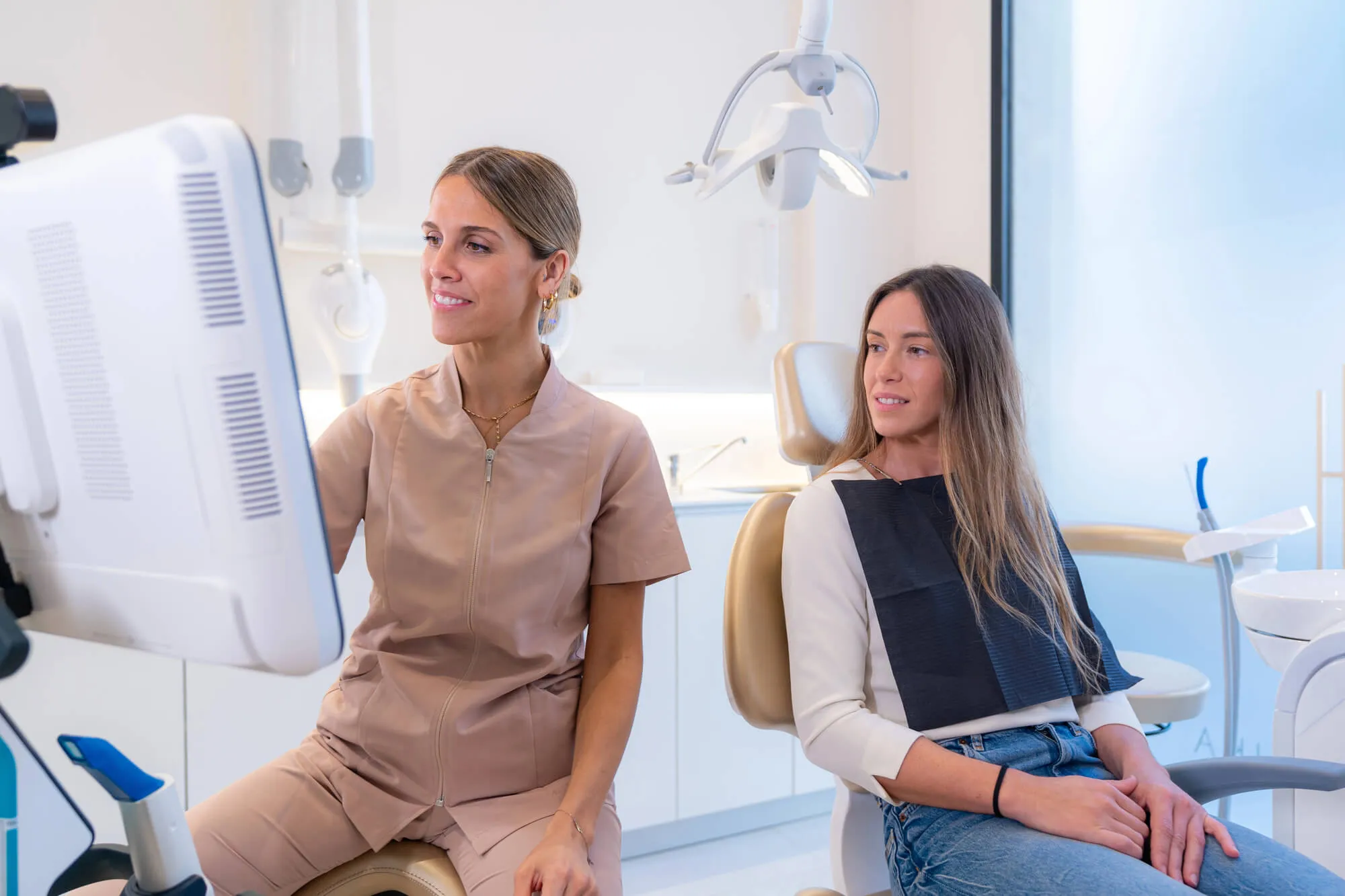
Preventative dentistry helps patients stay informed about their oral health while supporting early detection and long-term monitoring. Dental exams, digital imaging, X-rays, and home care guidance all contribute to maintaining healthier smiles over time.
At Horizon Dental Care, patients receive comprehensive preventative care using modern digital technology in a welcoming environment focused on comfort and education. If you are looking for a preventative dentist or it has been a while since your last dental visit, contact Horizon Dental Care today to schedule an appointment.