
Small cosmetic concerns can affect the way people feel about their smile more than expected. Chipped teeth, uneven edges, discoloration, or small gaps may seem minor at first, though they often become more noticeable during conversations, photos, or social events. Two cosmetic treatments commonly discussed for these concerns are veneers and dental bonding. While both options can improve the appearance of teeth, they work differently and may suit different cosmetic goals, budgets, and long-term expectations. Patients visiting a Sunrise dental center often ask which option is better and what factors to consider before making a decision.
What Is Dental Bonding?
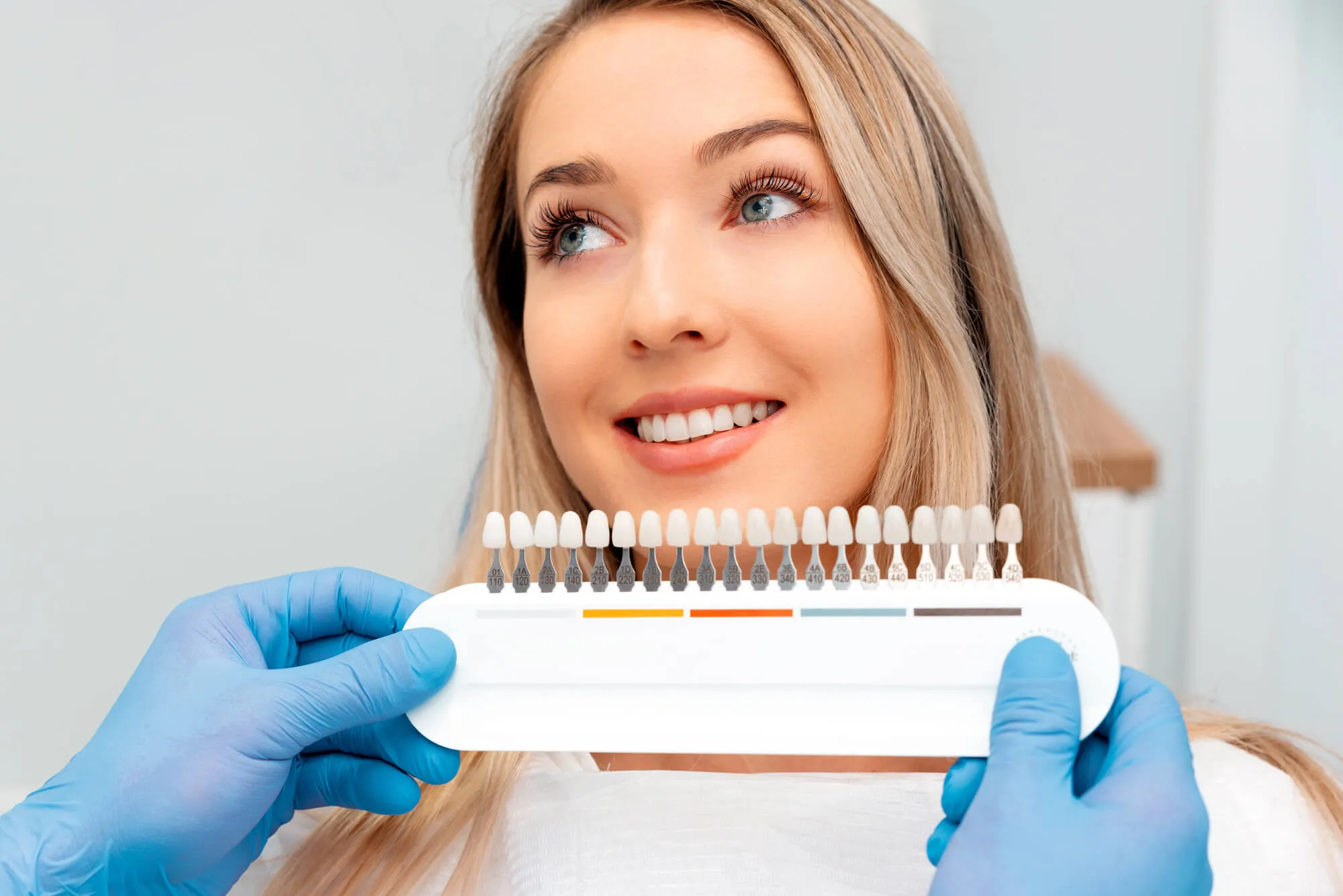
Dental bonding is a cosmetic procedure that uses tooth-colored composite resin to improve the appearance of teeth. The material is applied directly to the tooth surface, carefully shaped, and hardened with a curing light.
Bonding may be used to improve:
- Small chips
- Minor cracks
- Uneven edges
- Mild discoloration
- Small gaps between teeth
- Slightly misshapen teeth
One reason bonding is commonly recommended is that it usually requires minimal alteration to the natural tooth structure.
How Bonding Works
The bonding process begins by lightly preparing the tooth surface to help the composite adhere. The dentist then applies, shapes, and hardens the resin with a curing light.
Once the material hardens, the tooth is polished to help the bonded area blend naturally with surrounding teeth.
Bonding can often be finished in one visit because the material is shaped directly on the tooth, not made in a lab.
What Are Veneers?
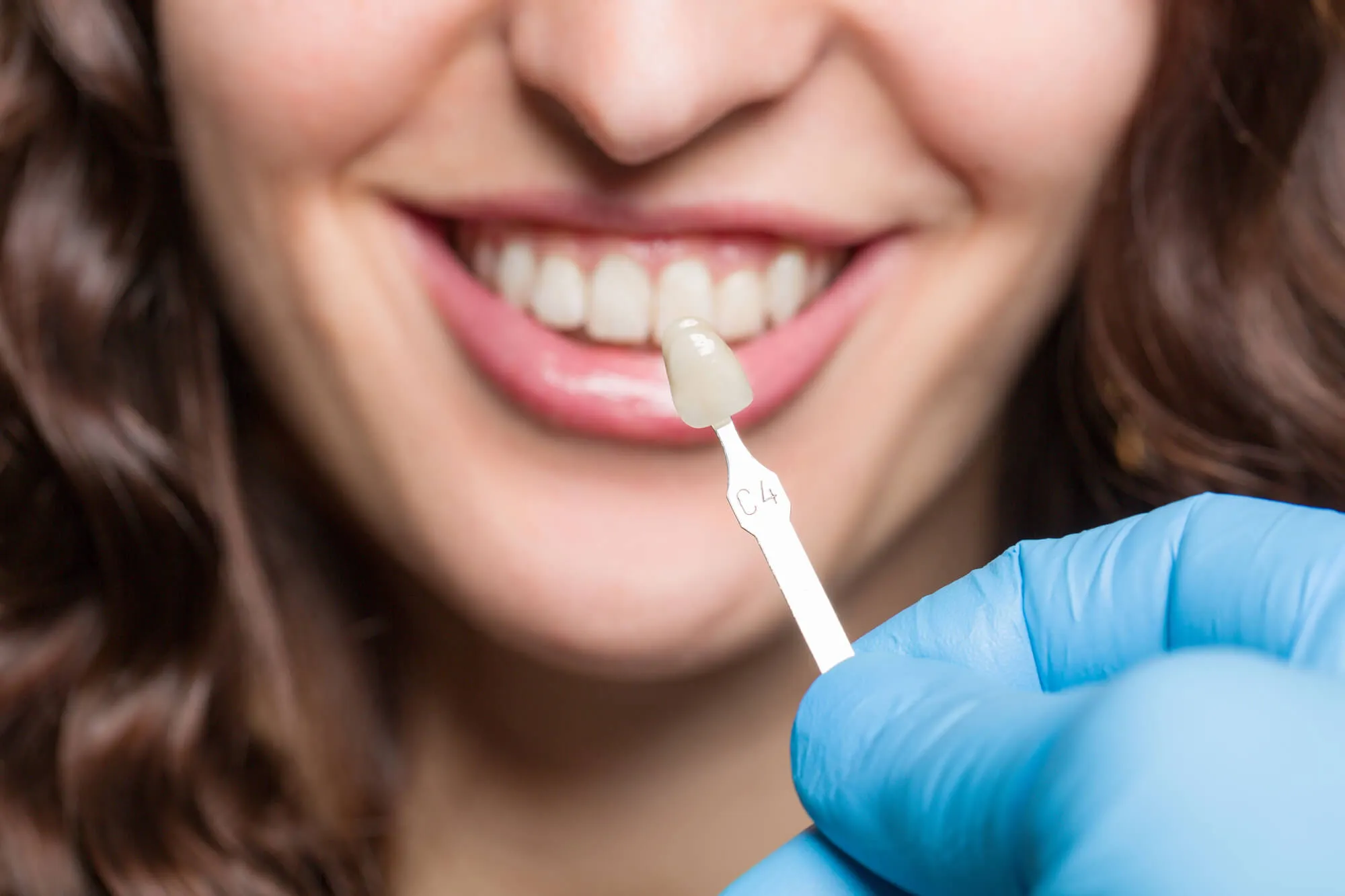
Veneers are thin porcelain or ceramic shells bonded to the front surfaces of teeth to improve appearance.
Veneers are often recommended for:
- Moderate discoloration
- Worn teeth
- Uneven tooth shapes
- Gaps between teeth
- Minor cosmetic alignment concerns
- Smile symmetry improvements
Unlike bonding, veneers are custom-fabricated before being bonded onto the teeth.
How Veneers Work
The veneer process generally involves:
- Smile evaluation
- Tooth preparation
- Impressions or digital scans
- Veneer fabrication
- Final placement
A thin enamel layer is often removed before veneers to allow space and create a natural look.
Because veneers are custom-fabricated, they often allow greater control over shape, symmetry, and shade across multiple teeth.
Veneers vs Bonding: What Is the Main Difference?
Although both treatments improve cosmetic appearance, veneers and bonding differ in several important ways.
Appearance and Cosmetic Results
Porcelain veneers are often chosen for larger smile transformations because porcelain reflects light similarly to natural enamel.
Veneers may provide:
- Enhanced symmetry
- Greater translucency
- Improved stain resistance
Bonding looks natural for small corrections, but composite resin may stain or lose polish more easily than porcelain over time.
Patients looking for more dramatic cosmetic improvements across several teeth often prefer veneers because they allow dentists to redesign multiple aspects of the smile simultaneously.
Durability and Longevity
Porcelain veneers are generally more resistant to staining and wear than bonding materials.
Bonding may be more likely to:
- Chip
- Stain
- Wear down gradually
This may occur more quickly in patients who:
- Drink coffee or red wine frequently
- Smoke
- Grind their teeth
- Bite hard objects
Bonding often lasts several years before touch-ups or replacement may be needed, while porcelain veneers may last longer with proper care and maintenance.
One advantage of bonding is that repairs are often simpler and less expensive if small chips or wear occur later.
Tooth Preparation
One of the biggest differences between veneers and bonding involves how much natural tooth structure is altered.
Bonding generally requires little to no enamel removal. Veneers usually involve removing a thin layer of enamel before placement.
Patients looking for a more conservative cosmetic option sometimes prefer bonding because more natural tooth structure can often be preserved.
Treatment Timeline
Bonding is often completed in a single appointment.
Veneers generally require multiple visits because the restorations are fabricated outside the mouth before final placement.
For patients seeking quicker cosmetic improvements, bonding may feel more convenient initially.
Cost Considerations
Bonding is often less expensive upfront because it:
- Requires less preparation
- Uses different materials
- Involves minimal laboratory fabrication
Veneers generally cost more due to:
- Custom fabrication
- Porcelain materials
- Detailed smile planning
- Multiple appointments
Some patients choose bonding for smaller cosmetic improvements or as an introduction to cosmetic dentistry before considering veneers later.
When Bonding May Be a Better Option
Bonding may be a good option for patients with minor cosmetic concerns who prefer a conservative approach.
Bonding is commonly recommended for:
- Minor chips
- Small gaps
- Mild discoloration
- Isolated cosmetic flaws
- Small shape irregularities
Because little preparation is often required, many patients appreciate the ability to improve their smile while preserving more natural tooth structure.
Bonding may also appeal to younger patients or those seeking a more budget-conscious cosmetic option.
When Veneers May Be a Better Option
Veneers are often recommended for patients looking for broader cosmetic improvements involving multiple teeth.
Veneers may be more appropriate for:
- Larger smile transformations
- Worn enamel
- Cosmetic asymmetry
- Multiple uneven teeth
Porcelain veneers also tend to maintain their appearance longer because they resist staining more effectively than composite resin materials.
Patients looking for a more dramatic smile makeover often choose veneers because they allow more control over the final cosmetic result.
Caring for Veneers and Bonding
Both veneers and bonding require good oral hygiene and regular dental visits.
Dentists commonly recommend:
- Brushing twice daily
- Flossing every day
- Avoiding hard objects
- Wearing a nightguard if teeth grinding occurs
- Scheduling routine dental exams
Although veneers are durable, they are not indestructible. Bonding materials also require maintenance to reduce the risk of staining and chipping.
Consistent oral hygiene habits help support both cosmetic restorations and natural teeth over time.
FAQ About Veneers and Bonding
Does bonding look natural?
Yes. Modern composite bonding materials are designed to blend closely with natural tooth color, especially for smaller cosmetic improvements.
Do veneers stain?
Porcelain veneers are generally more stain-resistant than bonding materials, though maintaining good oral hygiene habits remains important.
Is bonding reversible?
In many cases, bonding is considered more conservative because little to no enamel removal may be required.
How long do veneers last?
Porcelain veneers can last for many years with proper care, though longevity varies depending on oral habits and maintenance.
Considering Veneers or Bonding at Our Sunrise Dental Center Location?
Both veneers and bonding can improve the appearance of teeth, though the right option depends on your cosmetic goals, oral health, and long-term expectations. Some patients prefer bonding for smaller cosmetic changes, while others choose veneers for more dramatic smile improvements and greater stain resistance.
At Horizon Dental Care, patients visiting our Sunrise Dental Center location receive personalized cosmetic dental care in a welcoming environment focused on comfort and clear communication. If you are considering veneers or bonding in Miramar and want to better understand which option may fit your smile goals, contact Horizon Dental Care today to schedule a consultation.