
Last Updated on June 30, 2026
Straightening your teeth is often a long-term investment in your smile, comfort, and confidence. For many patients, one of the first questions is not about treatment time or appearance—it’s about cost. Invisalign and traditional braces both improve alignment, but they differ in pricing, maintenance, and lifestyle considerations. If you are comparing your options, speaking with an orthodontist in Miramar, FL, can help you look beyond the initial price tag and understand the full value of each treatment.
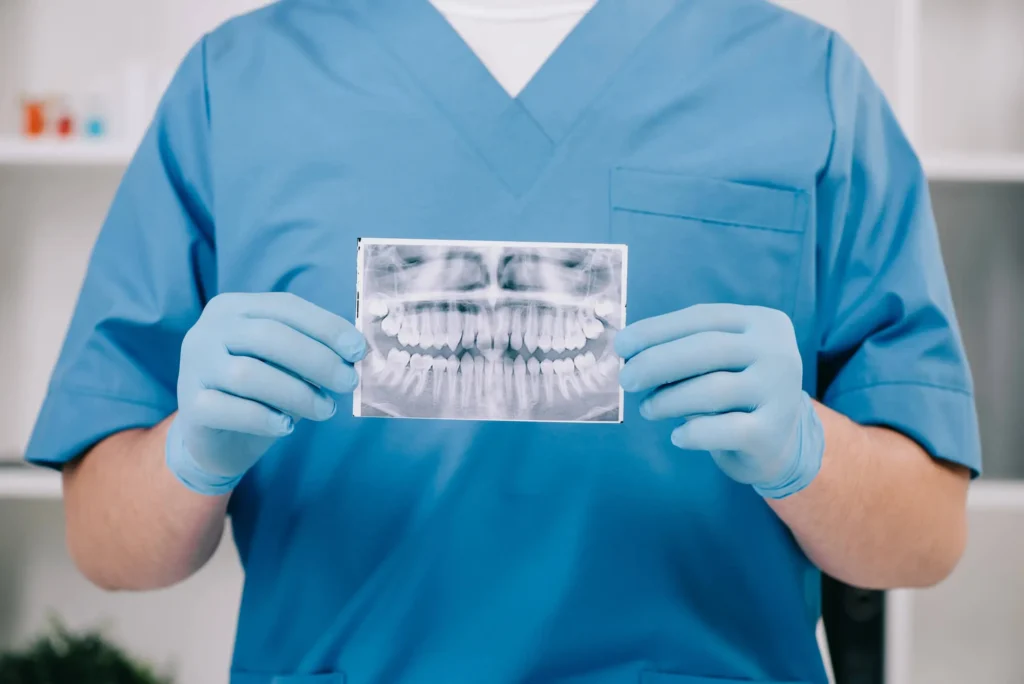
Understanding the Cost of Invisalign and Braces
Why Costs Vary From Patient to Patient
There is no single price for orthodontic treatment because every smile is different. The complexity of tooth movement, treatment length, and overall oral health all influence cost.
A patient with minor spacing concerns may need less treatment than someone with severe crowding or bite alignment issues. As a result, two people choosing the same treatment option may receive very different estimates.
Is Invisalign Always More Expensive?
Many patients assume that Invisalign® automatically costs more than braces. In reality, the difference is often smaller than expected. Invisalign treatment is frequently priced similarly to traditional braces, depending on the complexity of the case and treatment duration. In some situations, Invisalign may cost slightly more, while in others, the cost is comparable.
This is why personalized consultations are important. General online estimates rarely reflect the specifics of your situation.
What Is Included in Treatment Costs?
Orthodontic treatment often includes more than the appliance itself.
Costs may include:
- Digital imaging and records
- Progress visits
- Adjustments or aligner replacements
- Retainers after treatment
Understanding what is included helps create a more accurate comparison between Invisalign and braces.
Comparing Invisalign and Braces Beyond Cost
Appearance
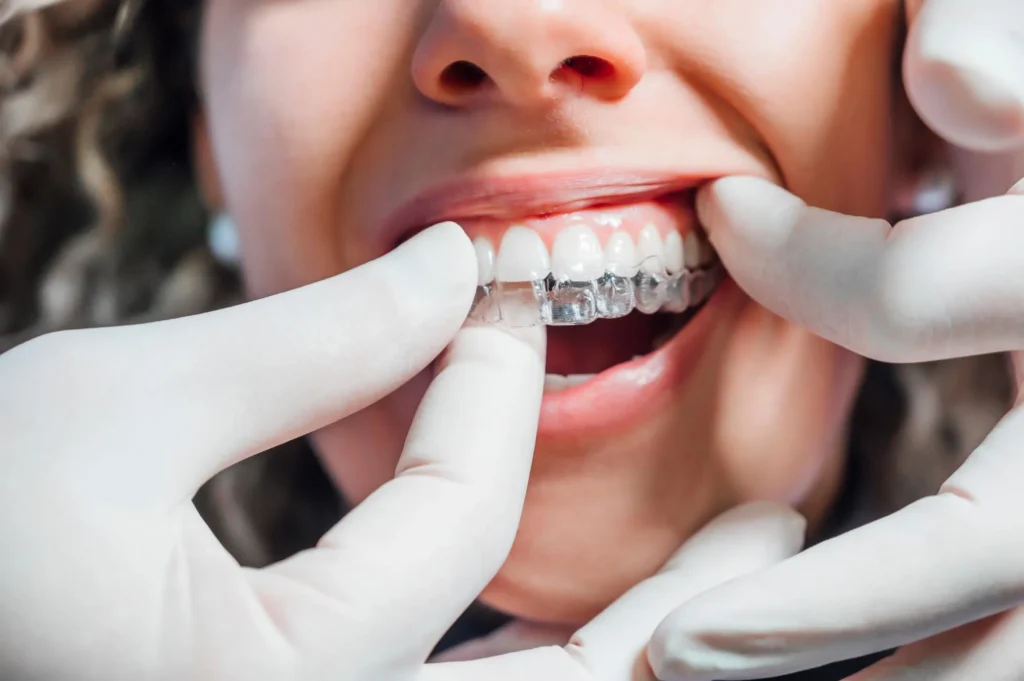
One reason Invisalign remains popular among adults and older teens is its appearance. The clear aligners fit closely over the teeth and are far less noticeable than metal brackets and wires. For patients who prefer a more discreet option, this can be an important advantage.
Traditional braces are more visible, though modern designs are smaller and more comfortable than older versions.
Daily Comfort
Both Invisalign and braces move teeth by applying controlled pressure.
Many patients report that Invisalign feels more comfortable because the aligners have smooth surfaces, free of brackets or wires that may irritate the cheeks and lips. Some pressure is expected when changing to a new set of aligners, though it often improves after a few days.
Braces can also cause temporary discomfort after adjustments as teeth begin shifting into new positions.
Eating and Drinking
One of the biggest lifestyle differences involves meals.
With braces, certain foods may need to be avoided to prevent damage to brackets or wires. Hard, sticky, or chewy foods often require extra caution.
Invisalign aligners are removable, allowing patients to eat their usual foods. The aligners are removed during meals and placed back in afterward once the teeth have been cleaned.
Oral Hygiene
Keeping teeth clean during orthodontic treatment is important.
Braces require additional effort because food particles can become trapped around brackets and wires. Special brushes and flossing tools are often recommended.
With Invisalign, patients remove the aligners before brushing and flossing. This allows oral hygiene routines to remain largely unchanged.
When Braces May Be the Better Choice
More Complex Orthodontic Cases
Although Invisalign can address many alignment concerns, traditional braces are sometimes preferred for more complex situations.
Severe crowding, major bite discrepancies, or significant tooth rotations may respond more predictably to braces because they remain fixed to the teeth and provide continuous control.
Your dentist or orthodontic provider will evaluate which option is appropriate for your needs.
Patients Who Prefer a Fixed Appliance
Success with Invisalign depends heavily on compliance. Aligners must be worn for approximately 20 to 22 hours each day to achieve planned tooth movement.
Some patients prefer braces because they do not need to remember to remove and replace aligners throughout the day.
When Invisalign May Offer Greater Value
Flexibility in Daily Life
Patients with busy schedules often appreciate the convenience of removable aligners. Meals, photographs, special events, and oral hygiene routines may feel less restrictive during treatment.
Fewer Dietary Restrictions
The ability to continue eating most foods without worrying about brackets can be appealing for many adults and teenagers.
A More Discreet Treatment Experience
For professionals, students, and patients who prefer less noticeable orthodontic treatment, Invisalign often provides a level of confidence that traditional braces cannot match.
Questions to Ask Before Choosing
How Complex Is My Case?
Not every alignment issue requires the same type of treatment. Understanding the complexity of your case helps determine which option is likely to be more effective.
What Are My Lifestyle Priorities?
Consider your daily routine, eating habits, and comfort preferences. The treatment that fits your lifestyle may be easier to follow consistently.
What Is Included in the Treatment Fee?
Comparing total treatment value is often more useful than comparing the initial price alone.
How Long Will Treatment Take?
Treatment timelines vary. Some Invisalign cases can be completed relatively quickly, while more complex cases may require longer treatment periods. Braces also vary depending on the amount of correction needed.
What Level of Maintenance Am I Comfortable With?
Both Invisalign and braces require commitment, though the responsibilities differ. Invisalign aligners must be removed before eating and cleaned regularly to stay clear and hygienic. Braces remain fixed in place but require extra attention when brushing and flossing around brackets and wires. Understanding which routine feels more manageable can help you stay consistent throughout treatment.
Will My Insurance or Financing Options Affect the Cost?
Dental insurance benefits and financing programs can influence the overall cost of orthodontic treatment. Some plans provide orthodontic coverage for both Invisalign and braces, while others may have limitations. Reviewing available benefits and payment options can give you a clearer picture of the total investment and help you compare treatment choices more accurately.

Talk With an Orthodontist in Miramar, FL, About Invisalign and Braces
Cost is an important factor when choosing orthodontic treatment, but it is only one part of the decision. Invisalign and traditional braces each offer advantages depending on your goals, oral health needs, and lifestyle. Looking at appearance, comfort, treatment complexity, and long-term value often provides a clearer picture than focusing solely on price.
At Horizon Dental Care, we believe orthodontic treatment should fit your needs, lifestyle, and long-term oral health goals. Our team takes time to explain your options, answer your questions, and create a treatment plan that supports both function and appearance. If you’re considering Invisalign or braces, schedule a consultation today and learn which option may be the right fit for your smile.
*Invisalign®, the Invisalign logo, and iTero®, among others, are trademarks and/ or service marks of Align Technology, Inc. or one of its subsidiaries or affiliated companies and may be registered in the U.S. and/or other countries.