
Choosing between clear aligners and traditional braces is not always as simple as deciding which one looks better. You may also be thinking about comfort, eating restrictions, and whether either option can address your specific alignment or bite problem.
An orthodontist in Sunrise can examine how your teeth and jaws fit together before recommending an approach. Comparing how aligners and braces work can help you know what questions to ask during your orthodontic evaluation.
Comparing Clear Aligners and Traditional Braces
Clear aligners and braces share the same general purpose: they apply controlled pressure that gradually moves teeth into planned positions. Both may address crowding, gaps, crooked teeth, and certain bite problems. Their designs and daily requirements differ considerably.
How Do Clear Aligners Work?
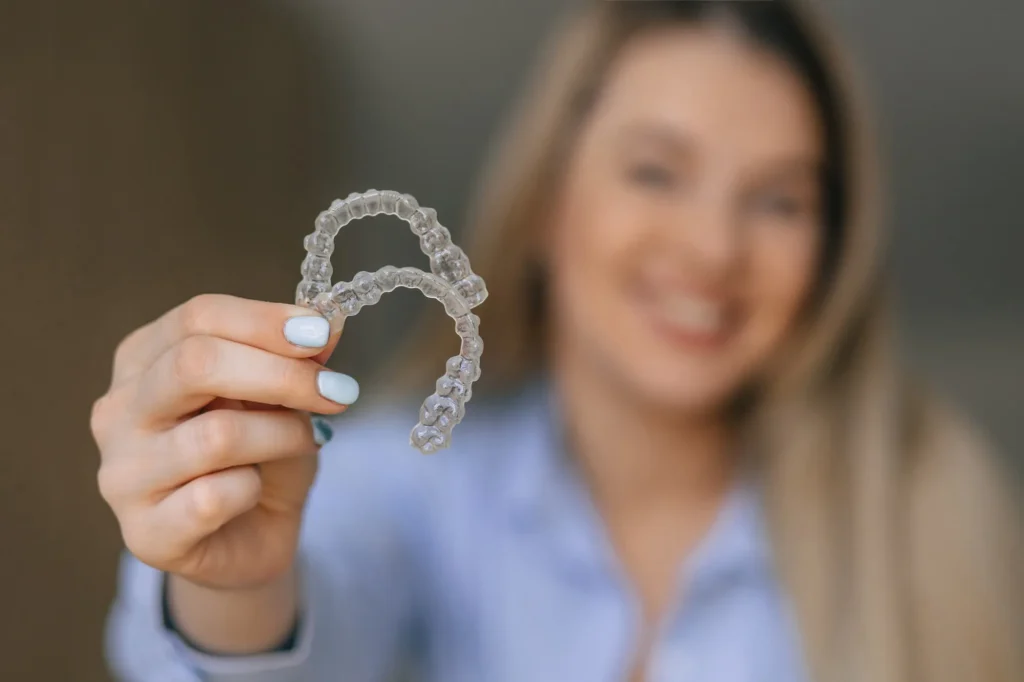
Clear aligners are custom-made trays based on digital scans or impressions of the teeth. Each set represents another stage of movement. Patients usually change to a new set according to the schedule provided by their dental team.
The trays fit closely over the teeth and apply gentle pressure to selected areas. Small tooth-colored attachments may be placed on certain teeth to help the trays grip them and produce more precise movements.
Aligners must be worn consistently to work as planned. The American Association of Orthodontists states that patients are generally advised to wear them for at least 22 hours each day. They are taken out for meals, brushing, and flossing.
How Do Traditional Braces Move Teeth?
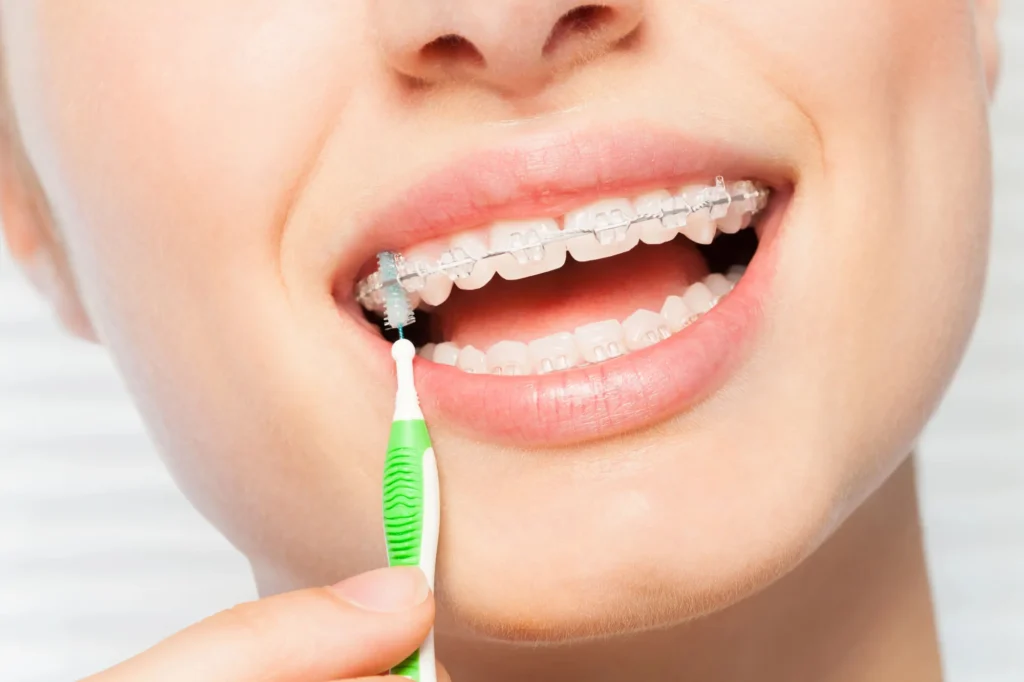
Traditional braces remain attached to the teeth throughout orthodontic care. Brackets are bonded to the tooth surfaces, and an archwire passes through them. The wire exerts pressure, guiding the teeth toward their planned positions.
The dental provider adjusts or replaces the wire during follow-up visits. Elastics, springs, or other components may be included when the bite requires more than straightforward tooth alignment.
Because braces stay in place, they continue working without relying on the patient to remember to wear them. This may make braces practical for patients who may have difficulty following the daily aligner-wear schedule.
Which Option Is Less Noticeable?
Clear aligners are transparent, although tooth-colored attachments may remain visible at close range. Traditional metal braces are more noticeable, but ceramic options use clear or tooth-colored brackets and wires. Six Month Smiles® uses tooth-colored brackets and wires to improve alignment within the visible smile zone. Because it focuses on cosmetic alignment, it may not address complex bite problems requiring orthodontic care.
How Do They Affect Eating?
Clear aligners are taken out before meals, allowing patients to eat their usual foods. Teeth should be cleaned before the trays go back in to avoid trapping food and plaque. Braces require more caution because hard, crunchy, or sticky foods may damage brackets and wires. Firmer foods can often be cut into smaller pieces, while aligners should be stored safely during meals.
Which Option Is Easier to Keep Clean?
Clear aligners allow normal brushing and flossing, but the trays also require daily cleaning. Teeth should be cleaned before the aligners go back in to avoid trapping sugar, acids, and bacteria. Braces take more effort because plaque and food can collect around brackets and wires. Floss threaders, interdental brushes, or water flossers may help clean these areas and protect the teeth and gums.
Can Both Options Address Bite Problems?
Clear aligners may address several alignment and bite concerns, including crowding, gaps, overbites, underbites, open bites, and crossbites. Their suitability depends on the severity of the problem and the tooth movements required. Some cases may use attachments or orthodontic elastics in addition to the trays.
Braces give the dental provider direct control over tooth movement and can manage a broad range of orthodontic concerns. They may offer greater predictability for complex rotations, major spacing problems, pronounced bite discrepancies, or teeth that need considerable vertical movement.
This does not mean braces are necessary for every complicated case, or that aligners are limited to minor cosmetic changes. Modern aligner systems can accomplish a wide range of movements. A clinical evaluation is still needed to determine what is practical for a particular bite.
What Does Each Option Feel Like?
Both options can cause pressure or tenderness as the teeth begin moving. With aligners, this sensation often occurs after changing to a new tray. The smooth plastic has no wires, but tray edges or attachments may irritate the cheeks or tongue at first.
Braces may cause tenderness after adjustments. Brackets and wires can also rub against the inside of the mouth, especially during the first few weeks. Orthodontic wax may be placed over an irritating bracket or wire while the mouth adapts.
Discomfort usually changes as patients become accustomed to the appliance. Severe pain, a broken wire, a loose bracket, or an aligner that no longer fits should be reported to the dental office.
Is One Option Faster?
Clear aligners are not automatically faster than braces. The timeline depends on the starting alignment, bite relationship, planned movements, biological response, and patient cooperation.
Aligners only work while they are being worn. Frequently leaving them out may delay progress or keep the next set from fitting properly. Braces work continuously, but broken brackets and missed adjustment visits can also extend the timeline.
Short-term systems such as Six Month Smiles® may take less time because they concentrate primarily on visible front teeth. A shorter timeline does not mean that this approach can accomplish the same goals as comprehensive orthodontic care. Patients with bite or jaw concerns may need a broader plan.
How Do You Decide Between Aligners and Braces?
Appearance and convenience matter, but they should not be the only factors guiding the choice. The evaluation should consider:
- The type and severity of the alignment problem
- Whether the bite also needs adjustment
- The movements required from specific teeth
- Gum and bone health
- Existing crowns, bridges, or other dental work
- Daily cleaning habits
- Willingness to wear aligners as directed
- Comfort with food restrictions
- The expected appointment schedule
Your dental provider can explain which options may address your needs and what each would require from you. The goal is to select an appliance that can produce the planned tooth movements while fitting realistically into your daily routine.

Consult an Orthodontist in Sunrise About Your Options
Clear aligners offer a discreet, flexible approach, while braces provide continuous tooth movement and may suit cases needing greater control. Clear brackets and tooth-colored wires can make some braces less noticeable.
Horizon Dental Care offers Invisalign®, traditional braces, and Six Month Smiles®. Contact the Sunrise office to schedule an evaluation and discuss which option may suit your smile.
*Invisalign®, the Invisalign logo, and iTero®, among others, are trademarks and/ or service marks of Align Technology, Inc. or one of its subsidiaries or affiliated companies and may be registered in the U.S. and/or other countries.