
Last Updated on August 18, 2026
Two teeth can sit side by side, receive the same whitening gel, and still finish at noticeably different shades. That uneven response can feel disappointing, especially when you expected one uniform result. Tooth structure, stain type, dental restorations, age, and even starting color influence how enamel responds. Before teeth whitening in Pembroke Pines, a dental evaluation can identify factors that may limit or change the outcome. Knowing why these differences occur helps you set practical expectations before whitening care begins.
What Determines How Teeth Respond to Whitening?
Professional teeth whitening uses peroxide-based ingredients that penetrate the enamel and react with colored molecules within the tooth. As these molecules break down, the tooth reflects more light and appears brighter.
The process does not affect every tooth in precisely the same way. Natural tooth color, the location and cause of discoloration, previous dental work, and exposure to the whitening agent all influence the result. Even teeth within the same mouth may respond at different rates.
The Type of Stain Matters
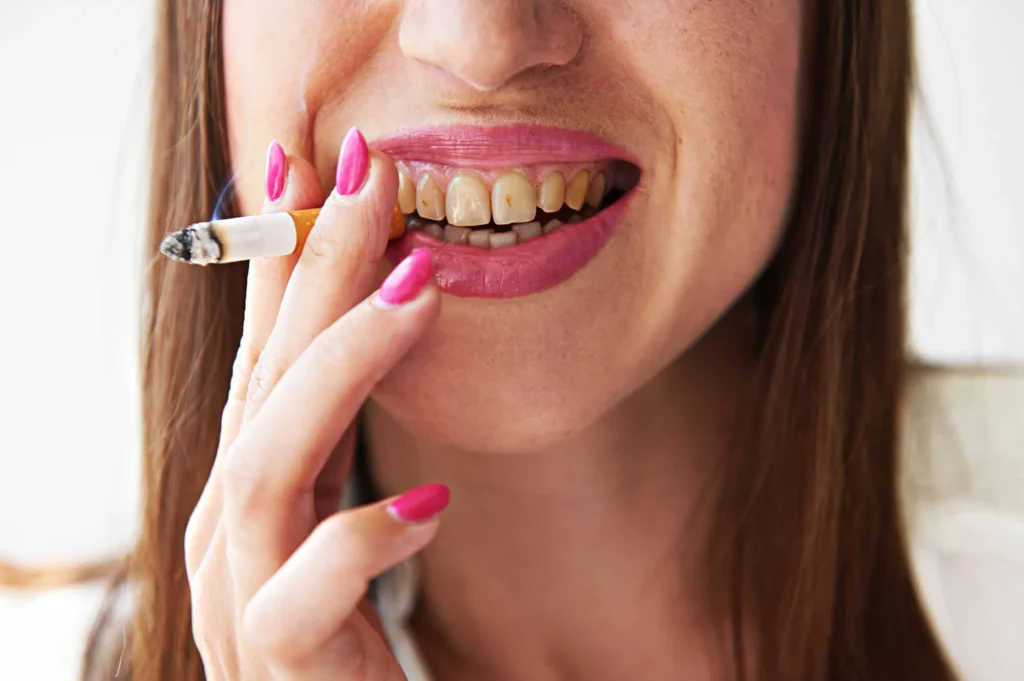
Dentists generally classify discoloration as extrinsic, intrinsic, or a combination of both. Extrinsic stains develop on the outer surface of enamel. Coffee, tea, red wine, dark sauces, and tobacco can contribute to this type of staining. Surface stains often respond well to professional cleaning and whitening.
Intrinsic discoloration develops within the tooth structure. It may be associated with certain medications, dental trauma, excessive fluoride exposure during tooth development, or changes within the tooth. These stains may respond more slowly or remain visible after whitening.
Knowing the cause matters because applying more whitening gel will not necessarily improve every type of discoloration. A dental exam helps the dentist distinguish staining from decay, enamel changes, or internal damage.
Natural Tooth Color Influences the Result
Natural teeth are not pure white. Their color comes from enamel and the underlying dentin. Enamel is partly translucent, allowing the warmer shade of dentin to show through. Some teeth naturally have more yellow, brown, gray, or reddish undertones.
Yellow-toned teeth often respond more noticeably to whitening than teeth with gray or blue undertones. This does not mean that darker teeth cannot become brighter. It means their final shade and rate of change may differ.
Canines may also appear darker than the front incisors because they contain a thicker layer of dentin. Whitening can brighten them, but they may remain slightly warmer than nearby teeth.
Enamel Thickness Varies Between Teeth
Enamel thickness affects how much of the underlying dentin remains visible. Teeth with thicker enamel may appear brighter because less of the dentin color shows through. Teeth with thinner or more translucent enamel may retain a warmer appearance after whitening.
Enamel can also become thinner with age or wear. As more dentin becomes visible, whitening may produce a less dramatic change than expected. Whitening products lighten pigments within natural tooth structure, but they cannot increase enamel thickness or change the basic anatomy of a tooth.
Fillings, Crowns, and Veneers Do Not Whiten
Whitening agents work on natural enamel. Tooth-colored fillings, bonding, crowns, and veneers do not change shade when exposed to whitening gel. A restoration that matched before whitening may look darker once the surrounding teeth become brighter.
This difference is especially noticeable when dental work appears on the front teeth. Replacing a sound restoration solely for color is not always necessary, but the dentist can explain the available options if the mismatch bothers you.
Patients with several restorations may need a broader cosmetic plan. Depending on the concern, porcelain veneers may be discussed for discoloration that does not respond predictably to whitening. Dental crowns serve different restorative purposes and should only be considered when clinically appropriate.
Dental Trauma Can Change One Tooth’s Color
A tooth that has experienced an impact may gradually become darker than the surrounding teeth. Internal bleeding, changes in the pulp, or the formation of extra dentin can produce yellow, brown, or gray discoloration.
A single dark tooth should be examined before whitening. The dentist may use X-rays and vitality tests to assess the pulp and tissues around the root. Depending on the cause, conventional whitening applied across the smile may not provide an even result.
Trauma-related discoloration does not always mean the tooth is painful. A color change alone can warrant an evaluation, especially if it appears after an injury.
Age Can Affect Whitening Response
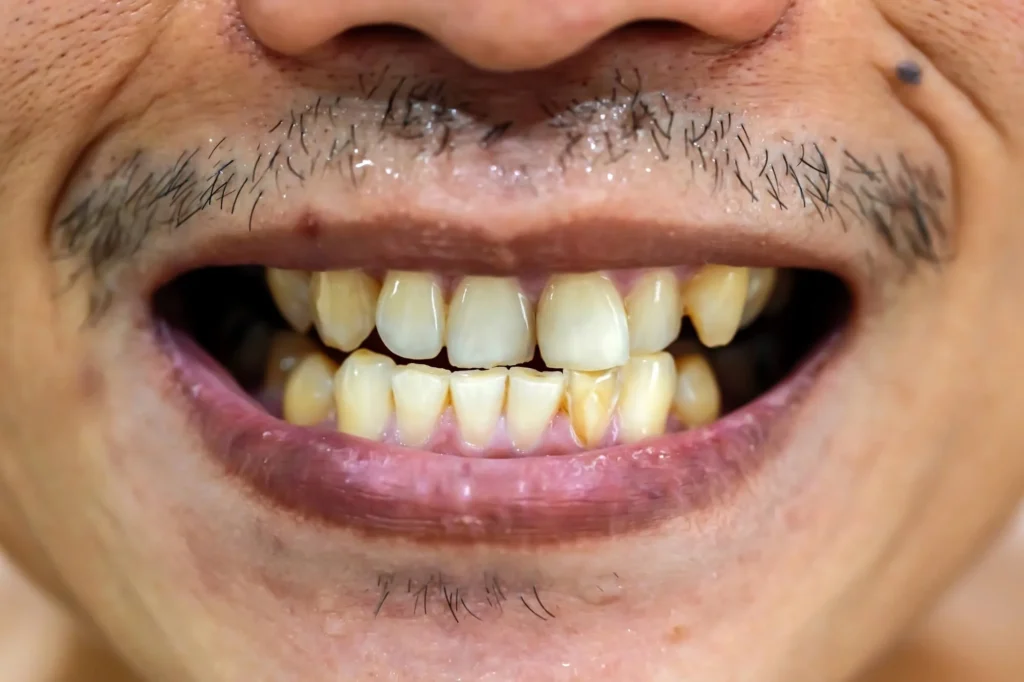
Teeth often become darker with age as enamel gradually wears and dentin becomes thicker or more visible. Years of exposure to pigmented foods and beverages can deepen discoloration.
Older teeth can still respond to whitening, but they may require a different schedule or more than one application to reach a noticeable change. Existing fillings, crowns, enamel wear, and gum recession must also be considered.
Exposed root surfaces do not respond like enamel and may be sensitive. The dentist may adjust to the whitening plan or recommend another approach for specific areas.
Even Application and Consistent Use Matter
Custom trays help keep whitening gel in contact with the intended tooth surfaces. A tray that does not fit closely may allow some teeth to receive less gel than others. Using too much gel can irritate the gums without producing a better result.
For take-home whitening, follow the schedule provided by the dentist. Wearing trays for longer than advised or adding extra gel may increase sensitivity. It does not guarantee faster or more uniform whitening. Cleaning the teeth before inserting the trays can help the gel contact the enamel evenly.
Oral Health Comes Before Whitening
Cavities, cracked teeth, gum inflammation, enamel wear, and exposed roots may increase sensitivity during whitening. These conditions should be identified before a whitening product is placed.
A professional cleaning may also be recommended if plaque or hardened deposits cover parts of the teeth. Whitening gel cannot make consistent contact with enamel hidden beneath buildup. Cleaning may improve the starting appearance by clearing away some surface discoloration, but it does not change the tooth’s internal shade.
The dentist may record your starting shade, examine existing restorations, and discuss which teeth are likely to respond differently. This preparation helps establish a realistic goal rather than promising one exact shade.
Frequently Asked Questions
Why did one tooth stay darker after whitening?
The tooth may have a different natural shade, thinner enamel, internal discoloration, previous trauma, or a restoration. A dental examination can help identify the reason.
Will another whitening session even out the color?
It may help when teeth are responding at different rates, but more whitening will not change the color of fillings, crowns, or veneers. It may also have limited effects on certain internal stains.
Can whitening make teeth look patchy at first?
Temporary unevenness can appear immediately after whitening because the teeth become dehydrated. The shade may settle as moisture returns. Contact the dental office if the difference continues.
Can I choose the exact shade my teeth will reach?
A shade guide can help establish goals, but no dentist can promise one precise result. Your starting color, stain type, enamel, and dentin all affect the outcome.
Ask About Teeth Whitening in Pembroke Pines
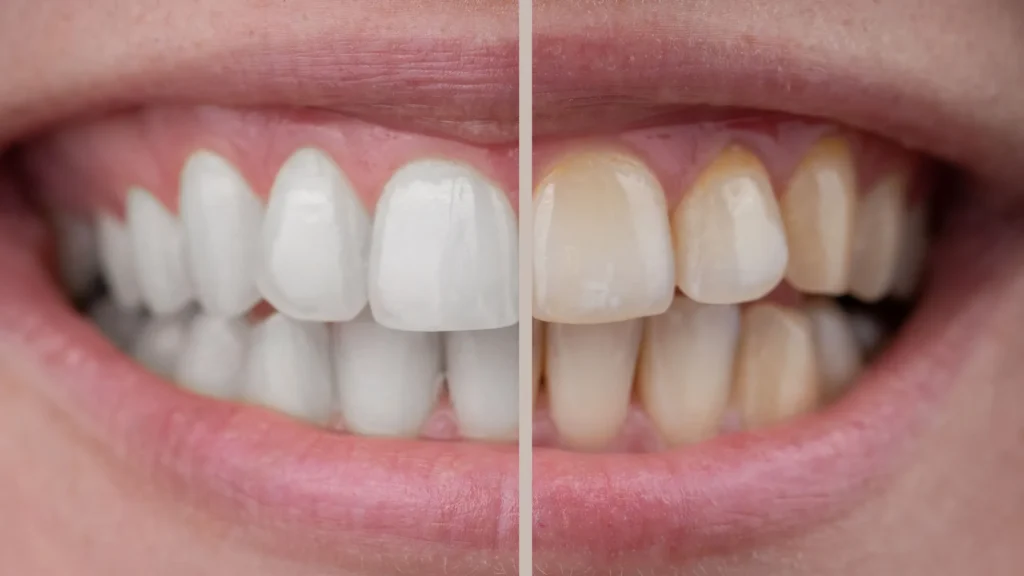
Different whitening responses do not necessarily mean that anything went wrong. Each tooth has its own structure, history, and starting shade, which can influence how much it brightens.
Horizon Dental Care provides professional take-home whitening with custom trays and personalized instructions. Contact the Pembroke Pines office to schedule an evaluation and discuss what whitening may achieve for your smile.