
Last Updated on September 19, 2026
Perhaps your teeth have shifted since you wore braces, or alignment concerns were never addressed when you were younger. You may now be interested in straighter teeth but feel uncertain about wearing visible brackets at work, in meetings, or in social events. Invisalign in Pembroke Pines gives many adults a less noticeable way to address certain alignment and bite concerns. Age alone does not determine whether aligners are suitable. Your oral health, tooth movement needs, previous dental work, and ability to follow the wear schedule all influence the decision.
What Should Adults Know Before Choosing Invisalign?
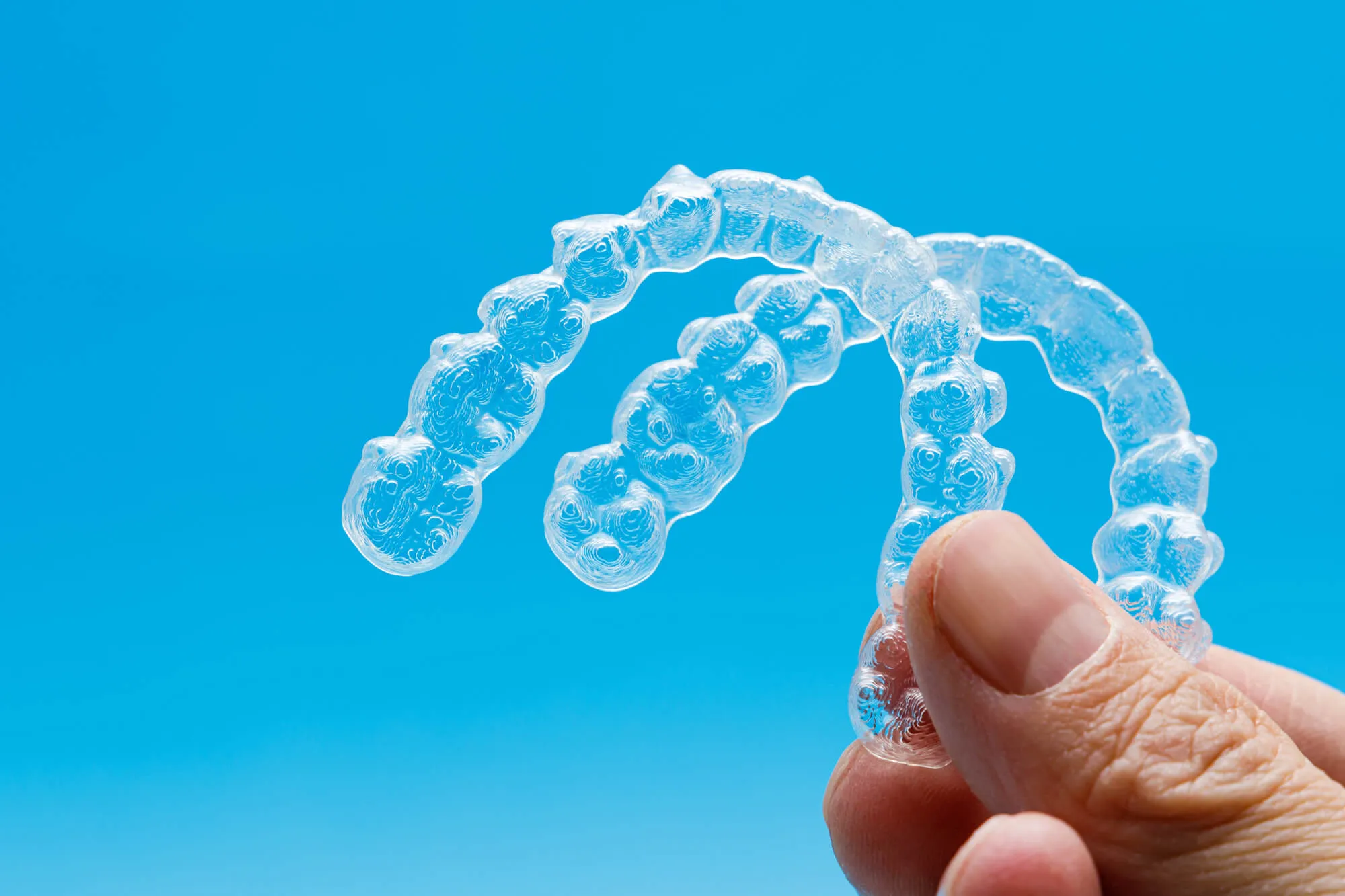
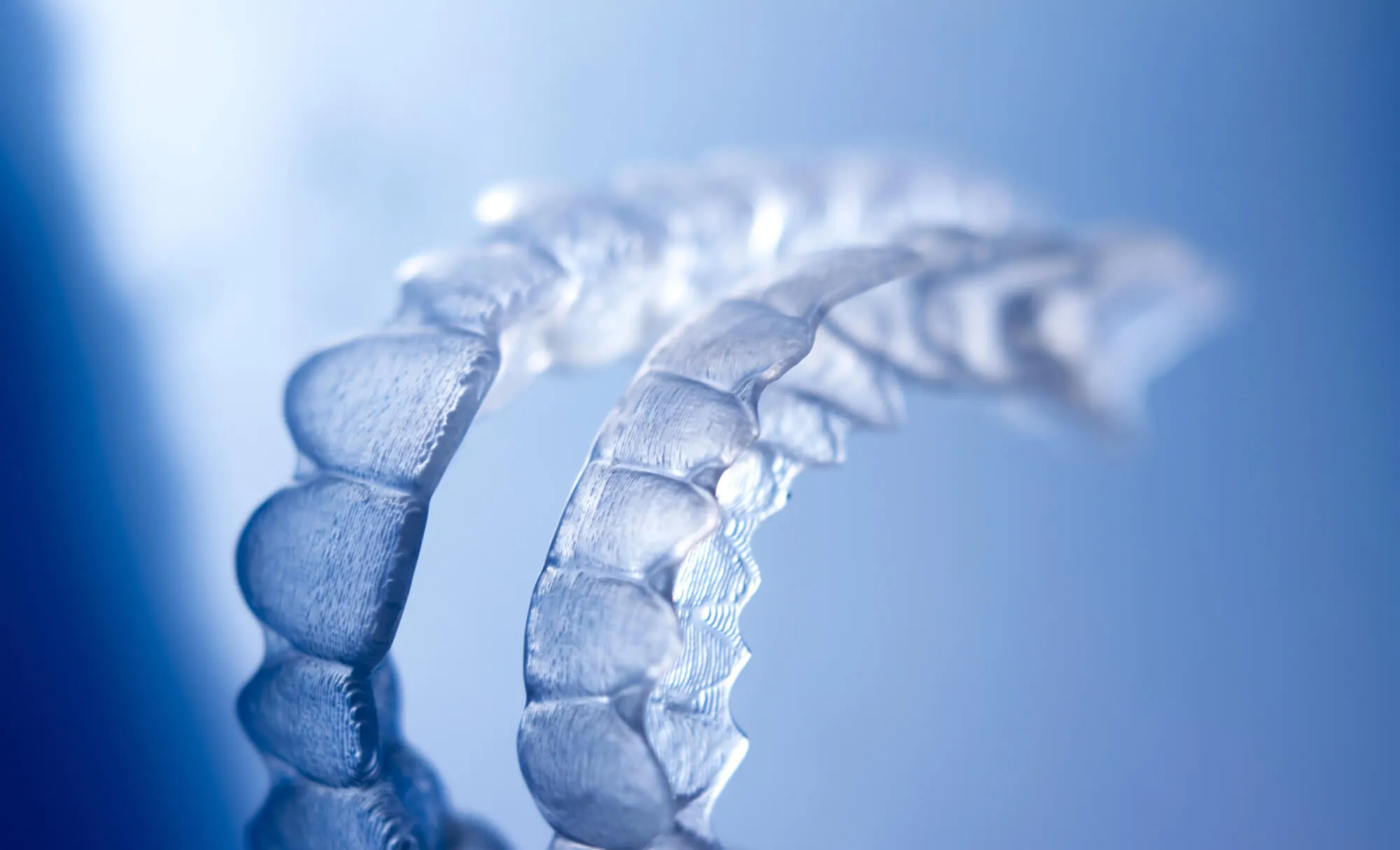
Invisalign® uses a planned series of clear aligners to guide teeth into new positions. Each set applies controlled pressure to selected teeth before the patient changes to the next set according to the prescribed schedule. Digital scans help the provider plan the sequence and monitor how the teeth respond.
Healthy adult teeth can move in response to controlled pressure. Gum disease, missing teeth, dental restorations, or shifting after earlier orthodontic care may require additional planning.
Why Adults May Consider Clear Aligners
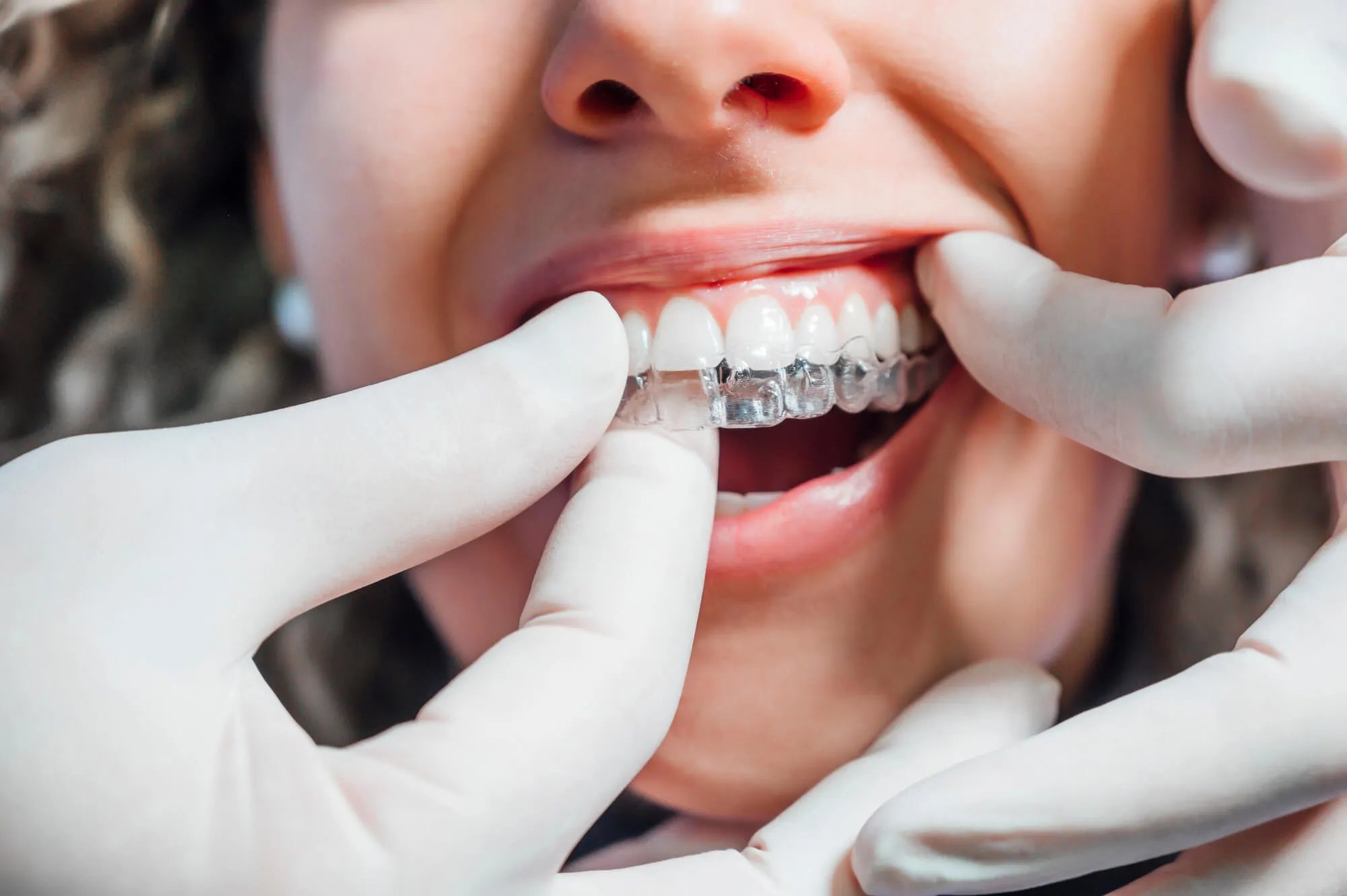
The transparent material makes Invisalign less noticeable than conventional metal braces. This may appeal to adults who regularly meet clients, speak publicly, attend events, or simply prefer a discreet appliance.
The trays can be taken out for meals, brushing, and flossing. Adults do not have to avoid foods because of brackets or wires, but they must put the aligners back in after eating. Daily oral hygiene also remains familiar.
Other practical benefits may include:
- Smooth aligner surfaces without protruding wires
- Fewer food restrictions during active care
- Digital planning that shows projected movement
- Progress checks to evaluate tracking
These features can be convenient, but only when supported by consistent habits.
Oral Health Matters More Than Age
Before aligner care begins, the provider examines the teeth, gums, bite, and supporting bone. Active gum inflammation, cavities, damaged dental work, or other oral health concerns may need attention first. Moving teeth when their supporting tissues are not healthy can create avoidable risks.
Bone loss does not automatically rule out orthodontic care, but it may change which movements are appropriate and how closely the patient needs to be monitored.
Photographs, X-rays, and digital scans can help assess root positions, bone support, spacing, crowding, and the bite.
Invisalign Can Address Many, but Not All, Concerns
Clear aligners may be used for selected cases involving crowding, spaces, rotated teeth, and certain bite problems. Attachments may be bonded to some teeth to help the trays grip and direct pressure. Some plans also use elastics.
Suitability depends on the type and extent of movement required, not simply whether the teeth look slightly crooked. Certain complex jaw relationships or movements may respond more predictably to braces or another orthodontic approach. An assessment is necessary because two adults with similar-looking smiles may have very different needs below the gumline or within their bite.
Aligners change tooth position, not tooth shade, shape, or size. Concerns involving discoloration or worn edges require a separate discussion.
Previous Dental Work Requires Careful Planning
Many adults have crowns, fillings, bridges, implants, or other dental work. These do not always prevent Invisalign use, but they can influence the plan.
Natural teeth with crowns may sometimes be moved. Dental implants do not move like natural teeth, so their position must be incorporated into the plan. Bridges may also limit how connected teeth can move.
Tell the provider about planned dental work. Changing a tooth’s shape during active care can affect how a tray fits.
Daily Wear Requires Commitment
Invisalign states that aligners are generally worn for 20 to 22 hours each day. They are usually taken out for eating, drinking anything other than water, brushing, and flossing. Your provider may give different instructions based on your plan.
Frequent snacking, long meals, travel, or forgetting the case can reduce wear time. Missed hours may delay movement and affect how the next tray seats.
A workable routine includes:
- Keeping the case available whenever you leave home
- Cleaning your teeth before reinserting the trays
- Following the prescribed change schedule
- Keeping progress appointments
- Contacting the office if a tray cracks, becomes lost, or no longer fits
Do not advance to another set without guidance when a tray does not fit. The provider may recommend more wear time, a replacement, or a new scan.
What Happens During the Adjustment Period?
A new aligner may cause pressure or mild soreness during the first few days. The trays may temporarily affect speech or increase saliva while the mouth adapts. Attachments can also make them feel tighter during insertion.
Contact the office for sharp pain, gum injury, a tray that will not seat, or a detached attachment. Do not trim, reshape, or heat an aligner at home.
Retainers Remain Important Afterwards
Teeth can shift after active orthodontic care. Retainers help maintain their new positions, and long-term wear is often recommended.
Teeth that shifted after earlier braces may sometimes be guided again with aligners. A new scan is needed because old retainers or trays no longer match the mouth accurately.
Frequently Asked Questions
Am I too old for Invisalign?
There is no fixed upper age limit. Gum health, bone support, dental history, and the required movements matter more than age.
Does Invisalign work more slowly for adults?
Timing depends on case complexity, biological response, and daily wear. Some adults need closer monitoring because of gum health, bone levels, or previous dental work.
Can I get Invisalign if I had braces before?
Possibly. The provider must examine your current bite and create a new plan rather than reuse earlier records or trays.
Will I need attachments?
That depends on the planned movements. Attachments give aligners more grip for certain rotations, shifts, or bite changes.
Could Invisalign in Pembroke Pines Suit Your Needs?
Invisalign can be a practical option for adults who have suitable oral health, alignment needs that respond to clear aligners, and the discipline to follow daily wear instructions. A clinical evaluation is the only way to determine whether it fits your circumstances.
Horizon Dental Care provides Invisalign consultations and progress monitoring at its Pembroke Pines office. Contact the office by phone to schedule an evaluation and discuss how your dental history, bite, and daily routine may influence your options.
*Invisalign®, the Invisalign logo, and iTero®, among others, are trademarks and/ or service marks of Align Technology, Inc. or one of its subsidiaries or affiliated companies and may be registered in the U.S. and/or other countries.