
Last Updated on November 24, 2025
Many adults don’t expect gum disease to become part of their lives, yet it affects nearly half of people over 30 in the United States. You may have heard about gum problems for years but never imagined the symptoms could apply to you. Early signs can be subtle, so knowing what to look for helps you address changes before they progress. With guidance from a trusted dentist in Sunrise, FL, you can protect your gums and maintain a healthier smile.

Why Early Gum Disease Begins Quietly
How Gum Irritation Starts
Gum disease often begins with plaque collecting along the gumline. Plaque forms naturally throughout the day, but if it stays in place too long, it irritates the gums. This irritation triggers early inflammation. Because the earliest symptoms feel mild, many people assume the changes are temporary or linked to brushing too firmly.
Why Early Symptoms Are Easy to Overlook
Early gum changes rarely cause pain. Instead, they show up as slight color shifts, small pockets of swelling, or occasional tenderness. These symptoms may come and go, giving the impression that nothing is wrong. The absence of discomfort leads many adults to delay care until symptoms become harder to ignore.
How Home Habits Influence Gum Health
Daily brushing and flossing help keep plaque under control. But even with a solid routine, some areas are harder to reach. Buildup around those spaces encourages early inflammation.
Understanding where plaque hides, such as between teeth or behind molars, helps you target the right areas and protect your gums.
Early Signs You Should Pay Close Attention To
Bleeding Gums During Brushing or Flossing
One of the first changes many people notice is bleeding while brushing or flossing. Healthy gums stay firm and do not bleed during normal home care. Even a small amount of bleeding signals irritation. Many adults assume bleeding means they brushed too hard, but it’s often one of the earliest signs of gum disease beginning to form.
Gums That Look Red or Puffy
Healthy gums appear pink and firm. Redness or swelling, even in small areas, can signal early inflammation. These changes usually show up near the base of the teeth. Swelling can make the gums feel fuller than usual, even if they aren’t painful. Paying attention to color and contour helps you spot early changes sooner.
Persistent Bad Breath or Bad Taste
Bad breath is common when bacteria collect below the gumline. If bad breath returns shortly after brushing or mouth rinsing, it may be connected to gum irritation. A lingering bad taste is also common and may signal that bacteria are settling in areas your brush cannot reach.
Gum Sensitivity or Tenderness
Tenderness along the gumline can be subtle. Some patients feel discomfort only when eating or brushing a certain area. This type of sensitivity often signals early inflammation. Paying attention to changes in comfort helps you identify concerns early.
Gums That Start Pulling Away from the Teeth
Receding gums develop slowly, making them easy to overlook. As gums retreat, the teeth look slightly longer. This shift creates small pockets where additional bacteria can collect. Early attention helps protect the root surfaces and maintain gum comfort.
Factors That Increase the Risk of Gum Irritation
Dry Mouth
Saliva helps wash away food particles and supports natural cleaning processes. When the mouth feels dry, plaque settles more easily along the gumline. People with dry mouth may notice gum irritation sooner.
Smoking or Tobacco Use
Tobacco reduces oxygen in gum tissue and affects how the gums respond to irritation. This makes early symptoms more likely and slows the body’s ability to recover.
Hormonal Shifts
Hormonal changes related to pregnancy, menopause, or puberty can make gums more reactive. During these times, even small amounts of plaque may lead to noticeable symptoms.
Stress and Overall Health
Stress can affect your immune response, making it harder for the body to manage inflammation. Medical conditions that affect immunity can also increase gum irritation.
How Dentists Evaluate Early Gum Disease
Reviewing Symptoms and Areas of Concern
An evaluation begins with a conversation about the changes you’ve noticed. Explaining your symptoms helps your dentist identify specific areas that need attention.
Measuring Gum Pockets
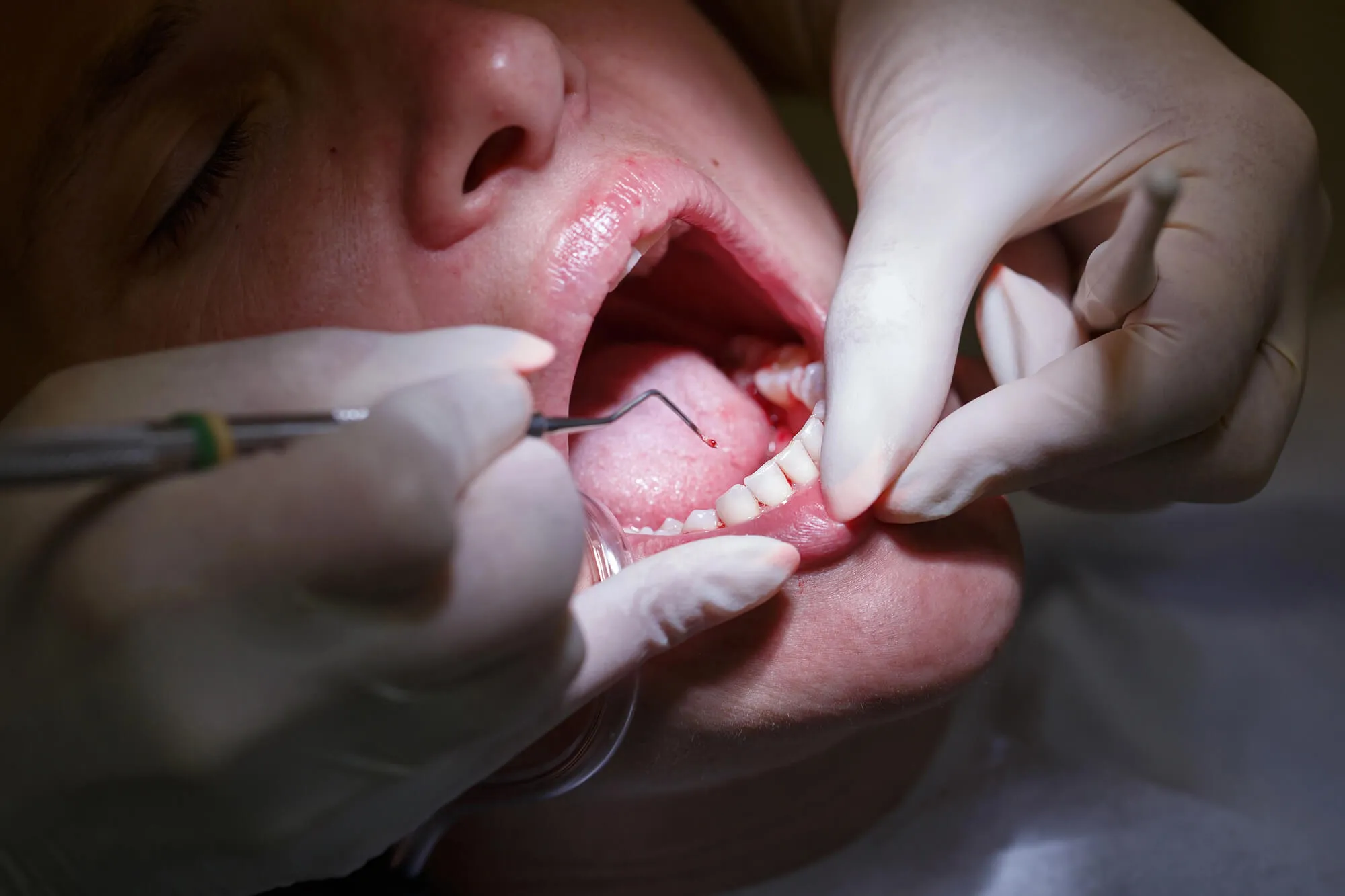
Dentists use a small instrument to measure the space between the gum and the tooth. Healthy measurements stay shallow. Deeper readings indicate inflammation or early tissue response. Tracking these measurements over time helps determine if the gums are improving.
Checking for Recession, Buildup, and Irritation
An examination includes checking gum color, texture, and contour. Your dentist may identify areas you cannot see clearly on your own. Identifying these spots early helps you focus your home routine where it matters most.
How Early Gum Disease Is Treated
Professional Cleanings to Remove Buildup
Removing plaque and debris from areas you cannot reach at home helps the gums settle and recover. Cleanings clear the environment around your teeth so the gums can regain comfort.
Targeted Home Care Adjustments
Your dentist may recommend adjusting your brushing technique, trying a soft-bristled brush, or using interdental brushes for tight spaces. Small changes often create meaningful improvements within weeks.
Lifestyle Support for Better Gum Health
Hydration supports saliva flow, while cutting back on tobacco helps the gums respond more effectively to home care. These steps support the body’s natural ability to maintain healthier gum tissue.
Preventing Gum Disease Before It Progresses
Stay Consistent with Brushing and Flossing
Cleaning your gums and teeth daily helps prevent buildup from settling. Even short interruptions in home care can allow early irritation to return.
Use Helpful Tools
Interdental brushes, flossers, and gentle mouth rinses help maintain gum comfort. Using the right tools makes it easier to stay consistent.
Monitor Subtle Changes
Watching for color changes, tenderness, or shifting gumlines helps you respond quickly. Addressing concerns early prevents more advanced irritation.
Schedule Routine Appointments
Regular visits help track changes that may not be obvious at home. Early attention supports long-term comfort and healthier gums.
Get Personalized Periodontal Care With the Help of Our Dentist in Sunrise, FL, Today
Strong home care habits and early attention help protect your gums. Noticing changes early gives you the chance to respond before symptoms become harder to manage. With consistent effort and professional support when needed, you can maintain healthier gums and protect your smile for years.
Horizon Dental Care is committed to helping you protect your gums with personalized, supportive care. If you’ve noticed early changes or want guidance tailored to your needs, our team is ready to help you feel confident about your gum health. Schedule your visit today and experience care centered on your comfort, confidence, and long-term oral wellness.