
Hearing that you may need bone grafting before receiving a dental implant can make an unfamiliar process feel more complicated. You may wonder how much discomfort to expect or whether this recommendation means implants are no longer practical. In many cases, grafting creates the support an implant needs when the jawbone has changed after tooth loss. An oral surgeon in Pembroke Pines can evaluate the area and explain whether bone grafting may be part of your implant care plan.

Why Bone Grafting May Be Needed Before Dental Implant Placement
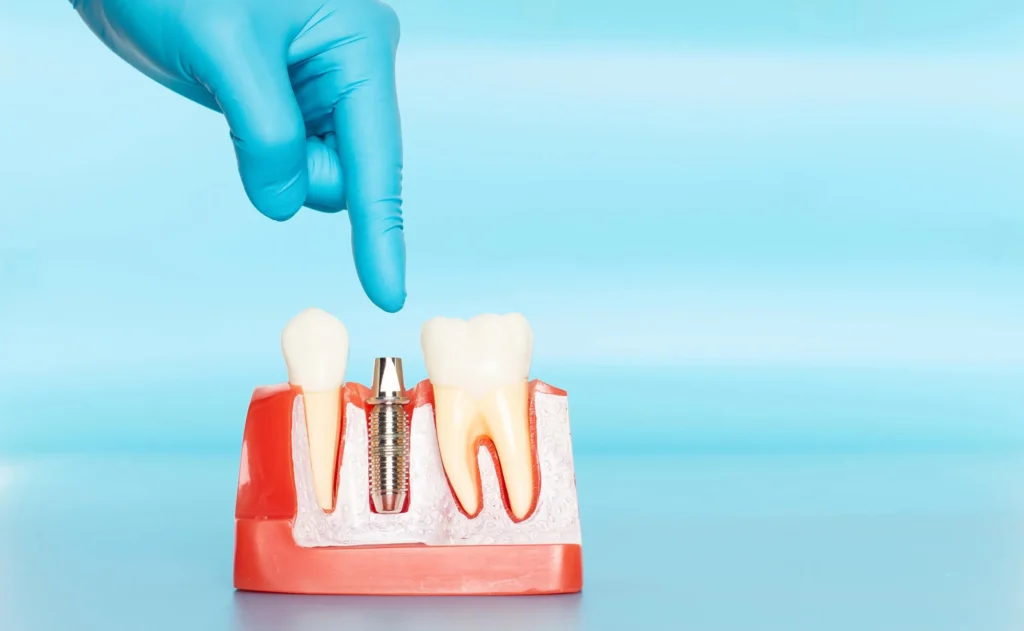
Dental implants depend on the jawbone for support. The implant post sits within the bone and needs enough surrounding height, width, and density to remain stable. If the area lacks enough bone to support the planned implant, grafting may be recommended before placement.
A recommendation for bone grafting does not mean dental implants are out of reach. It means the surgical site may need to be prepared before it can support an implant. Not every implant patient needs a graft. The recommendation depends on where the tooth is missing, how much bone remains, the condition of the surrounding tissues, and the requirements of the planned implant.
Why Does the Jawbone Change After Tooth Loss?
Natural tooth roots transfer pressure to the jawbone during biting and chewing. This stimulation helps the bone maintain its shape. After a tooth is lost or extracted, the surrounding bone no longer receives the same pressure. The body gradually resorbs part of the bone that previously supported the tooth.
Bone changes can begin within months and continue over time. The ridge may become narrower, shorter, or uneven. These changes are not always visible in the mirror, but they may limit the space available for an implant.
Gum disease can also damage the bone around teeth. Infection, injury, developmental differences, or a previous extraction may leave an area with limited support. Dental imaging shows the shape and amount of bone beneath the gums.
What Is a Dental Bone Graft?
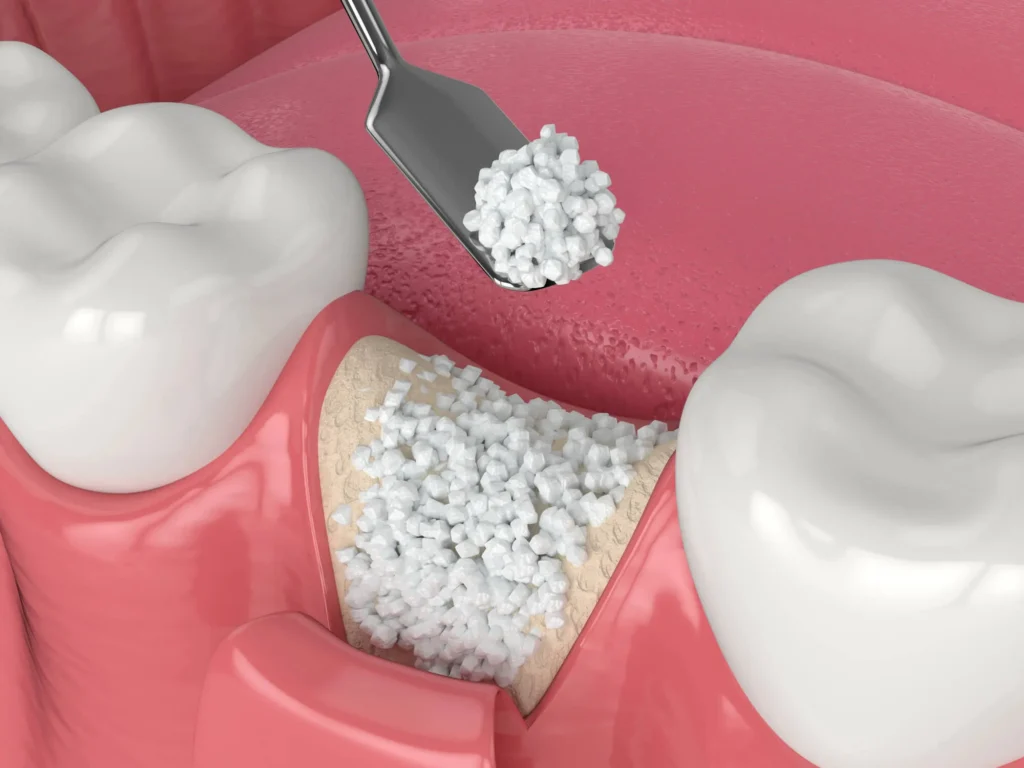
A dental bone graft places grafting material in an area where the jaw needs greater volume. The material provides a framework that supports new bone formation and becomes incorporated into the surgical site during healing.
The graft does not simply act as a block that holds the implant in place. Its purpose is to help the area develop enough stable tissue for future implant placement. The American Association of Oral and Maxillofacial Surgeons explains that bone grafting may prepare the jaw for implant-supported tooth replacement.
The amount of grafting required varies. A small site may need limited preparation, while broader bone loss may require a more involved procedure and a longer healing period.
What Types of Bone Grafting May Support Dental Implants?
The grafting technique depends on the location and extent of bone loss.
- Socket preservation: Graft material may be placed in the empty socket after an extraction to help maintain the shape of the jawbone. This may preserve more of the ridge for future implant planning.
- Ridge augmentation: This procedure adds bone volume to a section of the jaw that has become too narrow or shallow for a planned implant.
- Sinus lift: Bone is added beneath the sinus membrane when the upper back jaw lacks enough height for implant placement. This procedure applies to selected missing teeth near the maxillary sinus.
The surgeon recommends an approach based on dental imaging, the location of the missing tooth, and the amount of bone needed. Some patients may receive a small graft during implant placement, while a larger graft may need time to heal before the implant procedure.
How Does the Surgeon Determine Whether You Need a Graft?
The evaluation begins with an examination of your teeth, gums, bite, and the area around any missing teeth. X-rays show structures beneath the gumline. Three-dimensional imaging may provide more detail on bone height and width, as well as on nearby tooth roots, nerves, and sinus spaces.
The surgeon also reviews factors that may affect the procedure or healing, including:
- How long the tooth has been missing
- Gum health
- Bone volume at the proposed implant site
- Smoking or tobacco use
- Diabetes and other medical conditions
- Medications that may affect bone healing
- Previous procedures in the area
- The number and position of the planned implants
Not every patient with some bone loss needs the same type of graft. In selected cases, the remaining bone may still support an implant without grafting. A minor graft may occur during implant placement. More extensive rebuilding usually needs a separate healing period.
What Happens During Bone Grafting?
Bone grafting varies according to the location and amount of bone that needs rebuilding, but the procedure generally follows these steps:
- Preparing the area: The surgeon administers local anesthesia to numb the surgical site. Sedation may also be considered based on the procedure, medical history, and comfort needs.
- Accessing the jawbone: A small opening is made in the gum tissue to expose the area that needs more bone volume.
- Placing the graft: The surgeon positions and shapes the graft material in the planned location. A protective membrane may be placed over it to keep the material stable during early healing.
- Closing the site: The gum tissue is repositioned and sutured to protect the graft.
- Allowing time for healing: The graft usually needs several months to integrate with the surrounding bone. Follow-up visits allow the surgeon to monitor the site’s development and determine when the site is ready for an implant.
In selected cases, grafting and implant placement may occur during the same appointment. This depends on the amount of existing bone, implant stability, and the extent of grafting required. Once the graft is in place, attention shifts to protecting the surgical site and allowing the new bone to develop.
What Is Recovery and Healing Like?
Tenderness, swelling, mild bleeding, or bruising may occur during the first few days. Cold compresses, soft foods, medication, and careful cleaning can support recovery. Avoid touching the surgical site or using tobacco while it heals.
The gums often begin healing within a few weeks, while the graft may need several months to integrate with the surrounding bone. Follow-up visits help the surgeon monitor progress. Contact the dental office if you experience severe pain, heavy bleeding, fever, drainage, or swelling that worsens after several days.
Consult an Oral Surgeon in Pembroke Pines About Implant Preparation
Bone grafting may add another stage to implant care, but it can create support when the jaw has lost volume. Careful imaging, the missing tooth’s location, and the planned implant help determine whether it is appropriate.
Horizon Dental Care provides bone grafting, sinus lifts, dental implants, and oral surgery services. Our team focuses on personalized planning, conservative care, and patient comfort. Contact the Pembroke Pines office to schedule an evaluation and discuss whether bone grafting may be needed before dental implant placement.