
You may like the idea of clear aligners but wonder whether they can address more than just crooked teeth. Perhaps your upper teeth cover much of your lower smile, your bite feels uncomfortable, or you have noticed uneven wear. The answer depends on what causes the overlap and how pronounced it is. Invisalign in Miramar may improve certain overbites, but an evaluation must come first. Knowing how aligners influence a bite can help you approach your consultation with realistic expectations and useful questions.
How Invisalign May Improve an Overbite
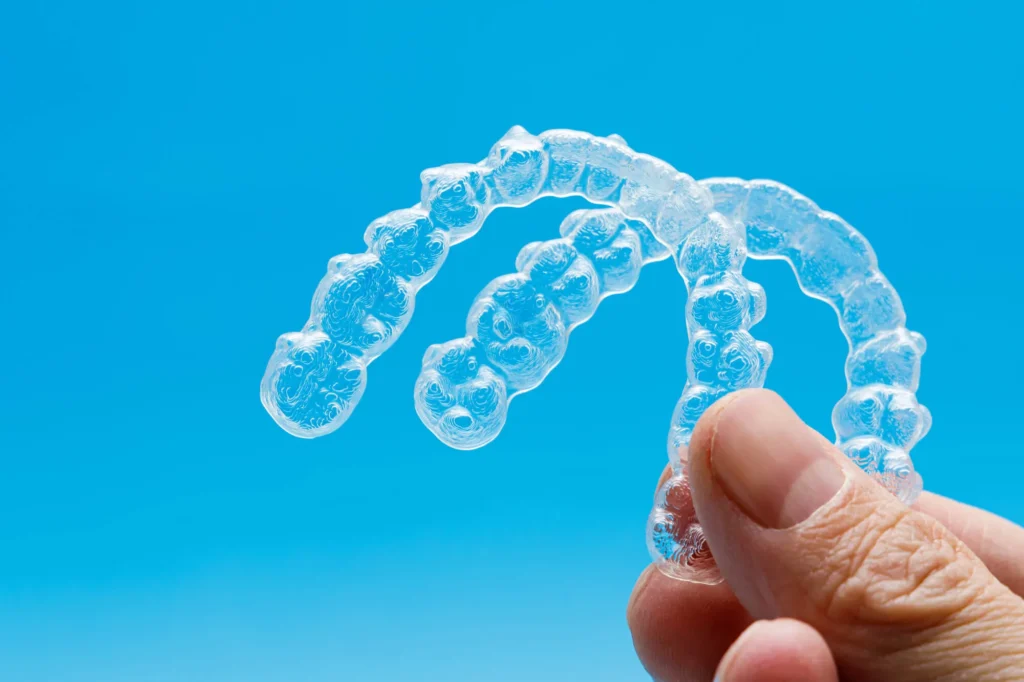
Invisalign® can address mild to moderate overbites by gradually moving the teeth into planned positions. The clear trays apply controlled pressure to selected teeth, with each set supporting another stage of movement. Small tooth-colored attachments may be placed on some teeth to give the aligners more leverage.
An overbite can involve tooth position, jaw structure, or both. Invisalign tends to work more predictably when the overlap is mainly due to tooth position. More complex jaw-related cases may require a different orthodontic approach or care coordinated with an orthodontist.
What Is an Overbite?
An overbite describes the vertical overlap of the upper front teeth over the lower front teeth when the mouth closes. Some overlap is normal and supports comfortable biting. Dentists may use the term “deep bite” when the upper teeth cover an excessive portion of the lower teeth.
An overbite is not the same as an overjet. An overjet refers to the horizontal distance between the upper and lower front teeth. In simple terms, an overbite describes how far the upper teeth extend downward over the lower teeth, while an overjet describes how far they project forward.
The distinction matters because each bite pattern may require different tooth movements. A visual check in the mirror cannot show everything about the relationship between your teeth and jaws. Dental imaging, bite records, and a clinical examination provide a clearer picture.
What Causes an Overbite?
Some overbites develop because of inherited jaw shape or differences in jaw growth. Others relate more closely to tooth position. Several factors may contribute, including:
- A lower jaw that sits farther back
- Upper front teeth that angle inward or outward
- Lower front teeth that sit too far behind the upper teeth
- Crowding or limited space within the dental arches
- Teeth that have erupted farther than the surrounding teeth
- Prolonged thumb-sucking or pacifier use during childhood
- Tooth loss that changes how the remaining teeth meet
Identifying the cause helps the dental team assess whether Invisalign can produce the planned changes. Two patients may appear to have similar overbites while needing very different forms of care.
How Do Clear Aligners Change a Deep Bite?
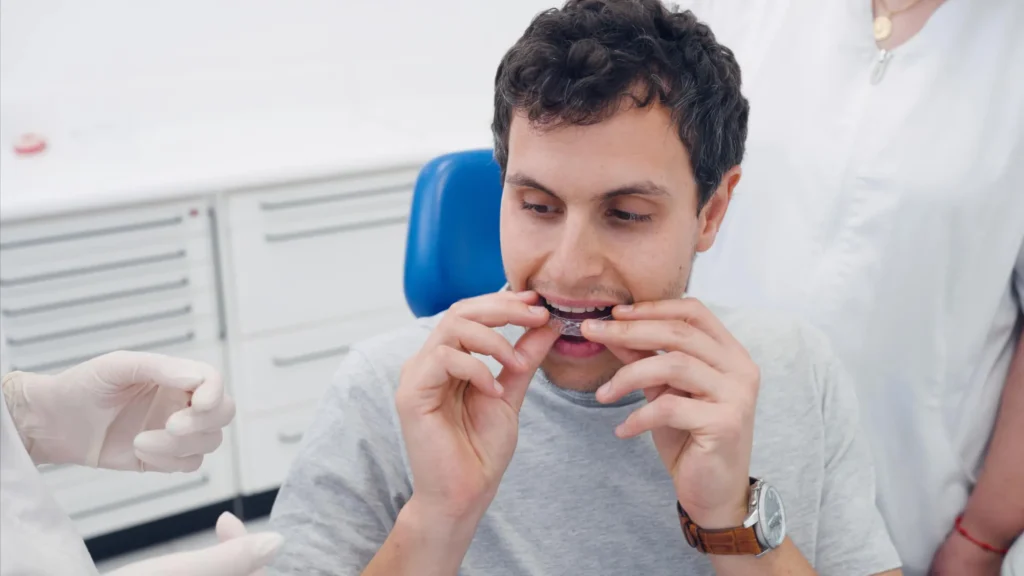
Invisalign uses a sequence of custom-made aligners developed from digital scans and a planned series of tooth movements. Depending on the bite, aligners may shift front teeth, adjust back teeth, create space, or combine several movements.
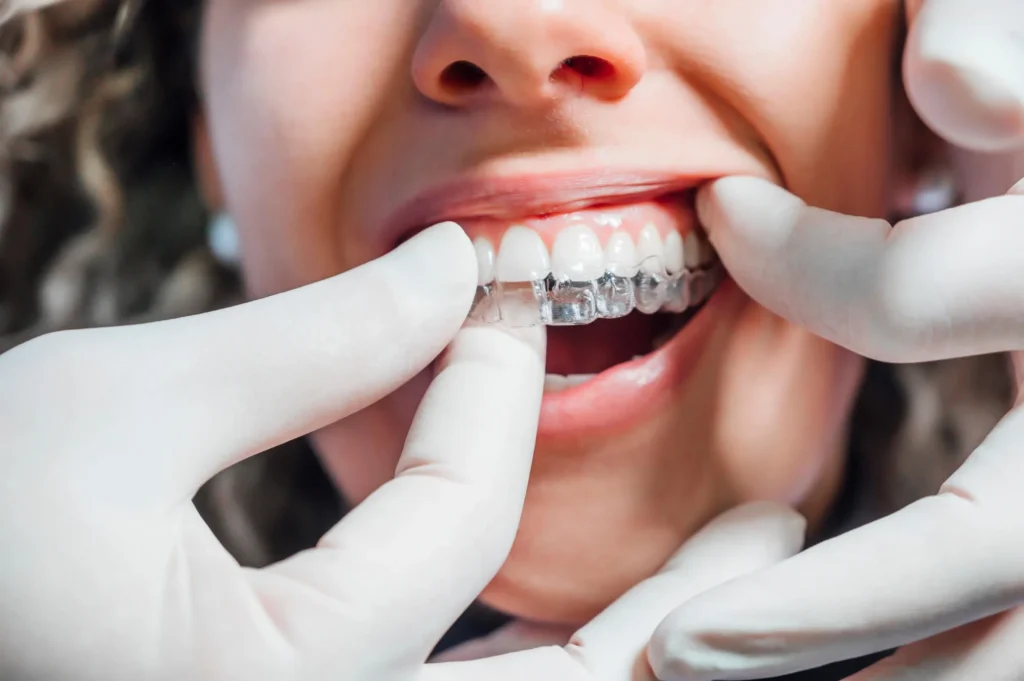
Some Invisalign plans use attachments. These small pieces of tooth-colored material help the trays grip the teeth and direct pressure more precisely. Bite ramps may also be incorporated into certain aligners. These raised areas can change how the upper and lower teeth contact each other while selected teeth move.
Which Overbites May Respond to Invisalign?
Invisalign may be considered when the overbite results primarily from tooth position and the necessary movements fall within the range of clear aligners. Mild or moderate dental overbites may respond well, particularly when the patient can follow the daily wear schedule.
Potential candidacy also depends on:
- The amount of vertical overlap
- The positions and angles of the front teeth
- Available space within each dental arch
- The relationship between the upper and lower jaws
- Gum and bone health
- Existing crowns, bridges, or other dental work
- The patient’s ability to wear the trays consistently
Clear aligners can address overbites, crowding, gaps, crossbites, and several other alignment concerns in suitable cases, according to the American Association of Orthodontists. That does not mean every bite can be managed with aligners alone. Candidacy remains specific to the findings from an examination.
When Might Invisalign Alone Not Be Appropriate?
A pronounced skeletal overbite can be more difficult to change because the underlying issue involves jaw size or position rather than tooth alignment alone. Adults have completed most jaw growth, which limits how much orthodontic movement can alter the relationship between the jaws.
Some complex cases may require conventional braces, another orthodontic appliance, or an evaluation by an orthodontist. Severe skeletal differences may call for combined orthodontic and surgical care. A referral may be recommended if your needs extend beyond clear aligner care.
Active gum disease, decay, or unstable teeth may also need attention before orthodontic tooth movement begins. Healthy supporting tissues give the teeth a more stable foundation as they shift.
How Much Does Daily Wear Matter?
Invisalign aligners are generally worn for about 20 to 22 hours each day and taken out for eating, brushing, and flossing. Clear aligners only apply pressure while they are in place. Wearing them for less time than directed may slow progress, cause teeth to shift away from the plan, or prevent the next tray from fitting properly.
You will need to take the aligners out before eating and clean your teeth before putting them back in. Drinking plain water while wearing them is generally acceptable, but colored or sugary drinks can become trapped against the teeth or stain the trays.
Consistent oral hygiene also matters. Plaque trapped beneath an aligner can increase the risk of decay and gum irritation. Brush, floss, clean the trays as directed, and attend each monitoring visit. These habits support steady progress throughout care.
Do You Have Questions About Invisalign in Miramar?
An overbite deserves more than a quick look at your smile. The amount of overlap, tooth position, jaw relationship, and oral health all affect whether clear aligners may be suitable. A dental evaluation can determine whether Invisalign may improve your bite or whether another form of orthodontic care may be more appropriate.
Horizon Dental Care provides patient-focused care with clear explanations and personalized recommendations. Contact the Miramar office to schedule an appointment and find out whether Invisalign may help improve your smile and bite.
*Invisalign®, the Invisalign logo, and iTero®, among others, are trademarks and/ or service marks of Align Technology, Inc. or one of its subsidiaries or affiliated companies and may be registered in the U.S. and/or other countries.