
Last Updated on January 6, 2026
Dental implants are often talked about as a modern option, yet many older adults quietly assume they no longer apply to them. Tooth loss can feel like something you simply learn to live with as the years pass. What’s less discussed is how age actually fits into today’s implant care.
Knowing which signs, factors, and expectations matter helps you decide whether dental implants in Miramar could still support comfort, function, and confidence later in life.

How Dental Implants Work for Older Adults
What Dental Implants Are Designed to Do
Dental implants replace missing teeth by anchoring a small post into the jawbone, which supports a crown, bridge, or denture. Their structure allows implants to function like natural teeth, offering stability while eating and speaking.
The goal is to restore everyday comfort while maintaining a natural appearance.
Does Age Limit Implant Eligibility?
Age alone does not prevent someone from receiving dental implants. Many adults in their 60s, 70s, and beyond successfully receive implants.
Dentists focus on overall oral health, bone quality, and medical stability rather than birth year. A healthy mouth and steady bone support matter far more than age.
Why Dental Implants Appeal to Older Adults
Older adults often prefer implants because they feel secure and do not rely on adhesives or removable appliances. Implants stay in place during meals and conversations, which many patients find reassuring. Such stability often supports confidence in daily life.
Common Concerns Older Adults Have About Dental Implants
Is the Procedure Safe for Seniors?
Dental implant placement follows careful planning and evaluation. Dentists review medical history, medications, and oral health before recommending treatment.
Many older adults tolerate the procedure well, especially when care is carefully coordinated, and adjustments are made to ensure their comfort.
Will Healing Take Longer with Age?
Healing varies from person to person. Some older adults heal at a similar pace to younger patients, while others may need more time.
Dentists closely monitor progress and provide guidance to support a steady recovery. Following post-procedure instructions supports smoother healing at any age.
What If I Have Health Conditions?
Chronic conditions such as diabetes or heart disease do not automatically rule out dental implants. What matters is how well those conditions are managed.
Dentists work closely with patients to determine whether implants are suitable and to plan treatment safely.

Bone Health and Dental Implants
Why Jawbone Support Matters
Dental implants rely on healthy bone for stability. The jawbone supports the implant post, keeping it secure. Over time, missing teeth can lead to bone loss, which can affect the placement of dental implants.
What Happens If Bone Loss Is Present?
Bone loss does not always mean implants are off the table. Dentists evaluate bone density through imaging and exams.
In some cases, preparatory procedures may help improve support before implant placement. Each plan is tailored to the patient’s needs.
How Implants Help Maintain Bone Structure
Once placed, implants stimulate the jawbone during chewing. Stimulation helps maintain bone structure over time. Many older adults appreciate this benefit, as it supports facial shape and oral stability.
Comfort, Function, and Daily Life with Implants
Eating with Dental Implants
Dental implants allow patients to enjoy a wide range of foods. Unlike removable options, implants stay secure during chewing. This stability often makes meals more comfortable and enjoyable.
Speech and Confidence
Missing teeth or loose appliances can affect speech clarity. Implants remain fixed, which helps maintain natural speech patterns. Many older adults feel more comfortable speaking in social settings once implants are in place.
Daily Care Requirements
Caring for dental implants involves brushing, flossing, and regular dental visits. The routine resembles caring for natural teeth. This simplicity appeals to many older adults who prefer a straightforward approach to oral care.
Comparing Dental Implants to Other Tooth Replacement Options
Implants vs. Dentures
Dentures rest on the gums and may shift during use. Implants anchor directly into the jaw, offering greater stability. Some patients prefer implants because they eliminate the need for adhesives and frequent adjustments.
Implants vs. Bridges
Bridges rely on neighboring teeth for support, while implants stand on their own. This difference helps preserve surrounding teeth and reduces strain on them. Many patients appreciate that implants do not require altering adjacent teeth.
Why Some Older Adults Choose Implants Later in Life
After years of managing removable appliances, some older adults seek a more secure option. Implants often provide that stability while supporting long-term comfort.
The Dental Implant Process for Older Adults
Initial Evaluation and Planning
The process begins with a thorough exam, imaging, and discussion of goals. Dentists evaluate a patient’s bone structure, gum health, and medical history to create a personalized treatment plan.
Implant Placement
The implant post is placed into the jawbone during a planned procedure. Comfort measures help patients remain relaxed throughout the appointment.
Healing and Integration
After placement, the bone gradually bonds with the implant. This period allows the implant to become stable before the final restoration is attached.
Final Restoration
Once healing is complete, a crown, bridge, or denture is secured to the implant. This step restores function and appearance.
Addressing Emotional and Practical Concerns
Managing Anxiety About Dental Procedures
It’s normal to feel hesitant about dental work later in life. Open conversations with your dentist help address concerns and set expectations. Many practices prioritize patient comfort and clear communication throughout the care process.
Long-Term Value for Older Adults
Dental implants are designed to last many years with proper care. Many older adults value the stability and predictability implants offer compared to removable options.
Quality of Life Considerations
Comfort during meals, clear speech, and confidence in social situations matter at every age. Implants often support these aspects of daily life, making them appealing to older adults.
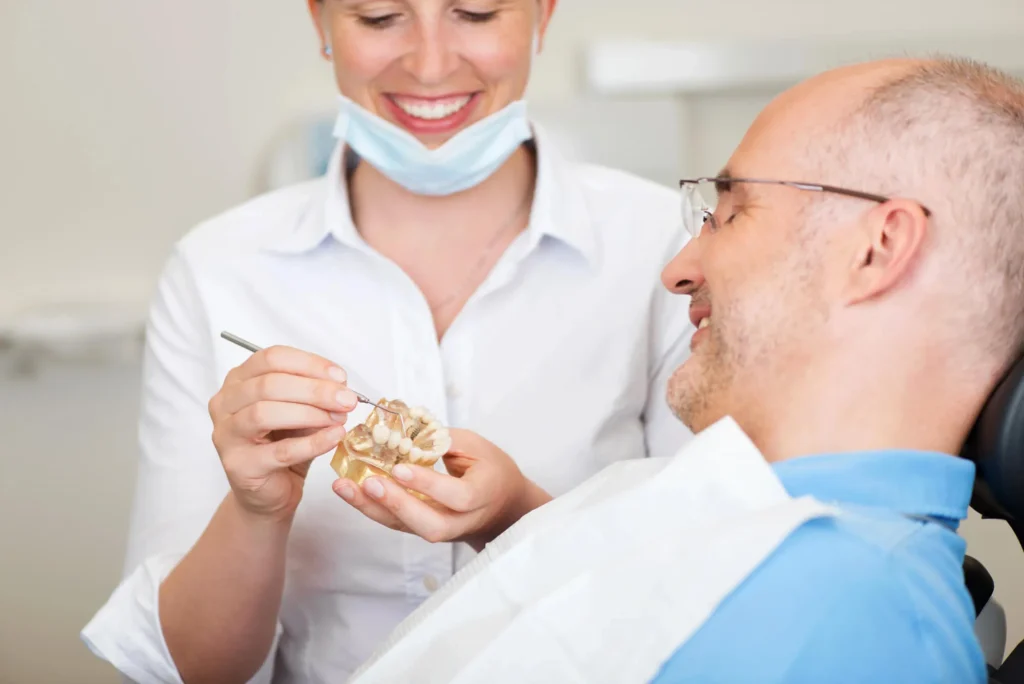
Talk to Us About Dental Implants in Miramar
Dental implants are not restricted by age. What matters most is maintaining oral health, supporting bone health, and achieving overall stability. Many older adults qualify and enjoy the benefits implants provide. A personalized evaluation helps determine whether implants align with your needs and goals.
Horizon Dental Care is dedicated to helping patients of all ages feel comfortable, informed, and supported when considering tooth replacement options. If you’re curious about dental implants and how they may fit into your life, our team is ready to guide you with personalized care focused on long-term comfort and confidence.
Schedule a consultation today to discuss your options in a supportive, patient-focused setting.