
At first, it feels like a dull ache, something you think will pass after a day or two. But soon, that ache turns into throbbing pain, your gums begin to swell, and eating or even smiling becomes uncomfortable. What started as mild discomfort can quickly turn into a dental abscess, an infection that shouldn’t be ignored. While anyone can develop one, early detection makes all the difference. If you’re looking for fast, professional help, our emergency dentist in Pembroke Pines provides same-day care for infections, swelling, and severe tooth pain—helping you protect your smile before things get worse.
What Is a Dental Abscess?
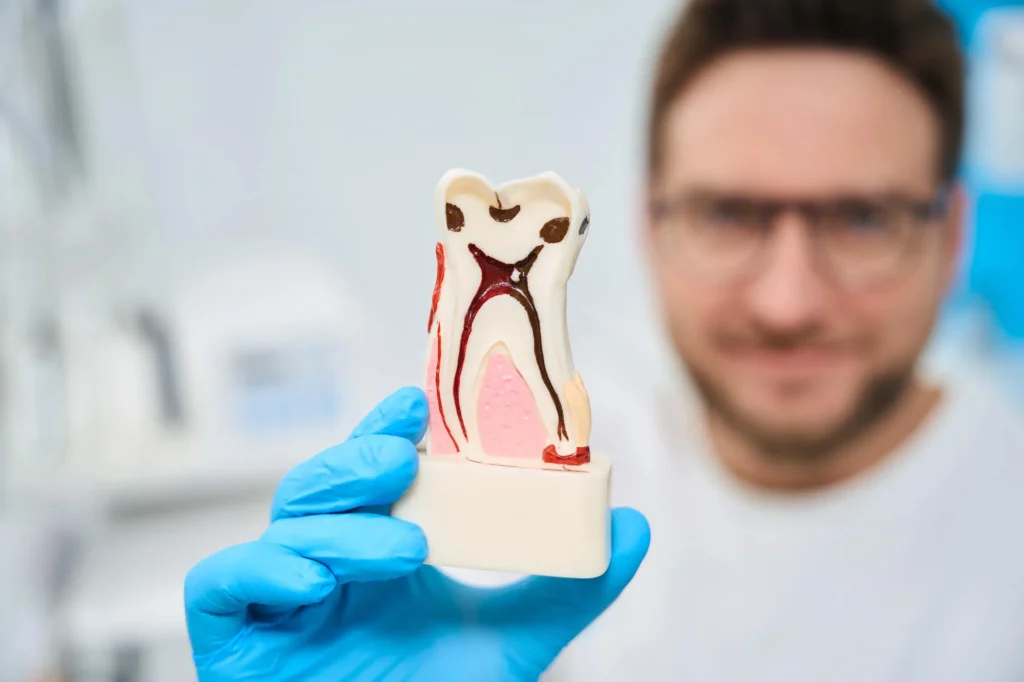
A dental abscess is a pocket of pus that forms as a result of a bacterial infection in or around a tooth. It’s your body’s way of signaling that something deeper is wrong. The infection may stem from tooth decay, gum disease, or trauma that allows bacteria to enter the inner parts of a tooth.
There are three main types of dental abscesses:
- Periapical abscess: Occurs at the tip of a tooth’s root, usually caused by deep decay or injury that reaches the pulp.
- Periodontal abscess: Develops in the gums due to infection in the spaces between teeth and gum tissue.
- Gingival abscess: Forms in the surface gum area, typically caused by trapped food or foreign particles.
Regardless of where it forms, an abscess can cause severe pain and spread rapidly if not treated. Prompt care prevents complications such as tooth loss or infection of the jawbone and surrounding tissue.
How a Dental Abscess Develops
A dental abscess doesn’t appear overnight. It’s the result of a progressive process that often begins with untreated decay or gum inflammation.
Tooth Decay and Bacterial Growth
When plaque, a sticky film of bacteria, accumulates on your teeth, it feeds on sugars and starches, producing acid. Over time, these acids wear down enamel, allowing bacteria to reach the softer dentin and eventually the pulp. Once bacteria invade the pulp, infection sets in, forming an abscess near the tooth’s root.
Gum Disease and Infection
Advanced gum disease, also known as periodontitis, can lead to the formation of abscesses. As gums pull away from teeth, pockets form where bacteria thrive. Without treatment, these bacteria multiply, causing inflammation and the formation of pus beneath the gumline.
Dental Injury or Fracture
Even a small crack or chip in a tooth can provide bacteria a pathway to deeper layers. That’s why damaged teeth, even if painless, should always be checked by a dentist.
Compromised Immune Health
People with weakened immune systems—due to diabetes, autoimmune conditions, or certain medications—are more susceptible to infections, including dental abscesses.

Early Warning Signs You Should Never Ignore
Spotting a dental abscess early can make the difference between a simple procedure and a severe infection. Common warning signs include:
- Persistent, Throbbing Pain
- Swelling in the Face or Gums
- Sensitivity to Heat or Cold
- Red or Inflamed Gums
- Bad Taste or Odor in the Mouth
- Fever and Fatigue
Why You Should Never Delay Treatment
A dental abscess won’t heal on its own. The infection can progress to nearby bone or spread through the bloodstream, affecting other organs. In rare but severe cases, untreated abscesses can lead to sepsis—a life-threatening condition.
Prompt treatment from an emergency dentist ensures the infection is contained, pain is relieved, and long-term damage is avoided. Acting early also reduces the likelihood of needing more complex procedures later, such as extractions or bone grafts.
How Emergency Dentists Treat Dental Abscesses
Every case is unique, but the goal remains the same: to eliminate infection, ease pain, and preserve the tooth whenever possible.
- Diagnostic Examination: Your dentist will start with a thorough exam and X-rays to pinpoint the abscess’s exact location and severity. This helps determine whether the infection is in the tooth, gum, or both.
- Draining the Abscess: In most cases, the first step is to drain the pus to relieve pressure. This provides instant comfort and allows for proper healing.
- Root Canal Treatment: If the infection has reached the tooth pulp, a root canal is often recommended. The procedure involves removing the infected tissue, disinfecting the root, and sealing the tooth to prevent reinfection.
- Tooth Extraction: When the tooth can’t be saved, extraction stops bacteria from spreading. After healing, options such as dental implants or bridges can restore both function and aesthetics.
- Antibiotic Therapy: Antibiotics are often prescribed to control the spread of infection, especially if swelling has extended beyond the affected tooth.
- Pain Relief and Aftercare: Your dentist may recommend anti-inflammatory medication and follow-up care to support recovery. Maintaining oral hygiene and following instructions closely are key to successful healing.
Home Care Before You See the Dentist
While professional care is essential, a few at-home measures can help manage discomfort before your appointment:
- Rinse the area gently with warm salt water several times a day to soothe the irritation.
- Apply a cold compress to your cheek to reduce swelling.
- Take over-the-counter pain relief as recommended.
- Keep your head elevated while resting to minimize pressure on your neck.
- Avoid applying heat, as it may accelerate bacterial growth.
These steps can help you feel more comfortable, but they’re not substitutes for dental treatment.
How to Prevent a Dental Abscess
Prevention starts with simple, consistent habits.
- Brush and Floss Daily: Use fluoride toothpaste and a soft-bristled toothbrush to thoroughly clean all surfaces. Don’t forget to floss—plaque between teeth is a common cause of infection.
- Schedule Regular Dental Checkups: Routine exams and cleanings enable your dentist to detect decay, gum disease, or small cracks before they develop into more significant issues.
- Protect Your Teeth from Injury: If you play sports or grind your teeth at night, you should wear a custom mouthguard to prevent fractures or wear.
- Eat a Tooth-Friendly Diet: Limit sugary foods and acidic beverages, which create an ideal environment for bacteria. Drink water throughout the day to rinse away debris and stimulate saliva flow.
- Treat Dental Issues Early: Don’t postpone care for cavities, sensitivity, or gum bleeding. Small issues often progress quickly when ignored.
When to Call an Emergency Dentist
You should contact an emergency dentist right away if you experience:
- Severe or persistent tooth pain
- Facial swelling or tenderness
- Fever or swollen lymph nodes
- A visible bump or pimple-like spot on your gums
- Difficulty swallowing or breathing
Even if symptoms seem mild, it’s best to get checked. A quick evaluation from a professional can prevent serious complications.

Get Relief and Compassion From a Seasoned Emergency Dentist in Sunrise, FL
At Horizon Dental Care, your comfort and well-being are always our top priorities. We understand that dental pain can be overwhelming, which is why our team provides compassionate, same-day care for emergencies like abscesses, toothaches, and injuries. Using advanced imaging and gentle techniques, we diagnose the cause, relieve your pain, and protect your long-term oral health.
If you’re dealing with swelling, pain, or signs of infection, don’t wait another day. Contact our office to schedule immediate care. We’re here to restore your comfort, safeguard your health, and help you smile with confidence again.