
You wake up in the middle of the night with throbbing tooth pain. You can’t sleep, painkillers barely help, and your mind races: Do I wait until my dentist’s office opens, or do I need help right now? Situations like this are where patients often feel unsure. Having access to an emergency dentist in Miramar makes the difference between waiting in discomfort and getting immediate relief. So how does emergency dentistry truly differ from general dental care? Let’s look closer.

Understanding the Two Types of Care
General Dentistry: Prevention and Routine
General dentistry is built on prevention. Regular six-month checkups enable dentists to monitor your oral health, identify small problems early, and provide treatments such as cleanings, fillings, and fluoride applications.
These appointments help control cavities, gum disease, and enamel wear. Patients also receive advice on diet, brushing, and flossing habits. General dentistry is proactive, creating a foundation for lifelong oral health.
Emergency Dentistry: Urgent Relief
Emergency dentistry is a reactive approach designed to manage sudden and unexpected issues. Severe toothaches, broken teeth, abscesses, or accidents can’t wait for a routine appointment.
Emergency care stabilizes the situation, eases pain, and prevents further complications. The treatments may be temporary at first, such as placing a protective dressing or prescribing medication, with permanent solutions provided later.
While general dentistry focuses on maintaining oral health, emergency dentistry prioritizes your care when prompt action is crucial.
Real-Life Scenarios That Show the Difference
Severe Toothache at Night
Toothaches often start small, but when pain escalates suddenly, it becomes hard to function. A general dentist can diagnose the cause during routine visits. However, emergency dentistry provides immediate relief if pain spikes overnight or during a holiday.
The dentist may treat the infection, prescribe antibiotics, or initiate a root canal procedure to alleviate the pain and preserve the tooth. The goal is fast comfort, followed by ongoing care to address the root cause.
Sports Injury or Accident
Dental injuries from sports or falls often involve chipped, fractured, or knocked-out teeth. General dentists create custom mouthguards to prevent these accidents, but an emergency dentist can act quickly if trauma occurs.
A knocked-out tooth, for example, has the best chance of being saved if treated within the first hour. Emergency care improves survival rates and reduces long-term costs associated with tooth replacement.
Lost Filling or Crown
Fillings and crowns protect teeth from further decay or damage, but they can sometimes come loose. Without protection, the exposed tooth may feel sensitive or painful. General dentistry provides the restorations, but emergency dentistry steps in if they fail at the wrong time. An emergency dentist can place a temporary fix or re-cement the crown, giving patients relief until a permanent solution is ready.
Swelling and Infection
Infections can spread quickly and affect overall health. General dentists monitor gum and tooth health during preventive visits to prevent abscesses. However, emergency dentistry becomes essential if swelling, pus, or fever appear suddenly.
Abscesses can be life-threatening if ignored. Emergency treatment includes draining the infection, prescribing medication, and planning long-term care, such as root canals or extractions. Immediate attention helps keep patients safe and reduces the risk of serious complications.
How the Approach Differs
Timing and Availability
General appointments are typically planned and scheduled months in advance. Emergency dentistry offers same-day or after-hours care, as waiting can worsen the condition. Many practices reserve time each day for urgent cases, while others offer direct after-hours support. This flexibility ensures patients can get relief when they need it most.
Tools and Focus
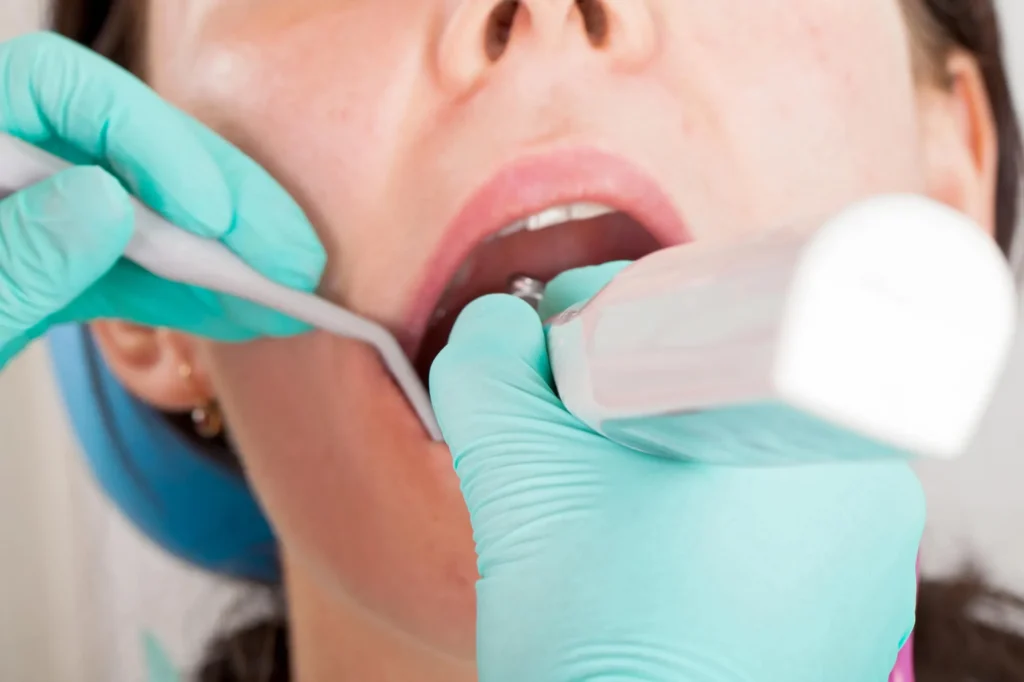
Routine visits rely on standard tools like polishers, fluoride trays, and cleaning instruments. Emergency dentistry often requires diagnostic imaging, medications for pain or infection, and tools for procedures such as extractions or temporary restorations. The focus shifts from prevention to rapid intervention. This difference highlights how the same dental office can provide very different experiences depending on the urgency.
Patient Needs and Emotions
Patients often feel relaxed during general visits, knowing the appointment is part of their routine. Emergency visits feel very different—patients may be in severe pain, anxious about outcomes, or worried about costs.
Emergency dentists adapt by prioritizing reassurance, comfort, and immediate relief. The emotional support offered during emergencies is just as important as the clinical care it provides.
Top Emergencies That Require Immediate Care
Some dental issues can’t wait until your next checkup. They demand fast attention to protect your health and comfort. The most common reasons people call an emergency dentist include:
- Severe toothaches that interrupt sleep, daily activities, or eating.
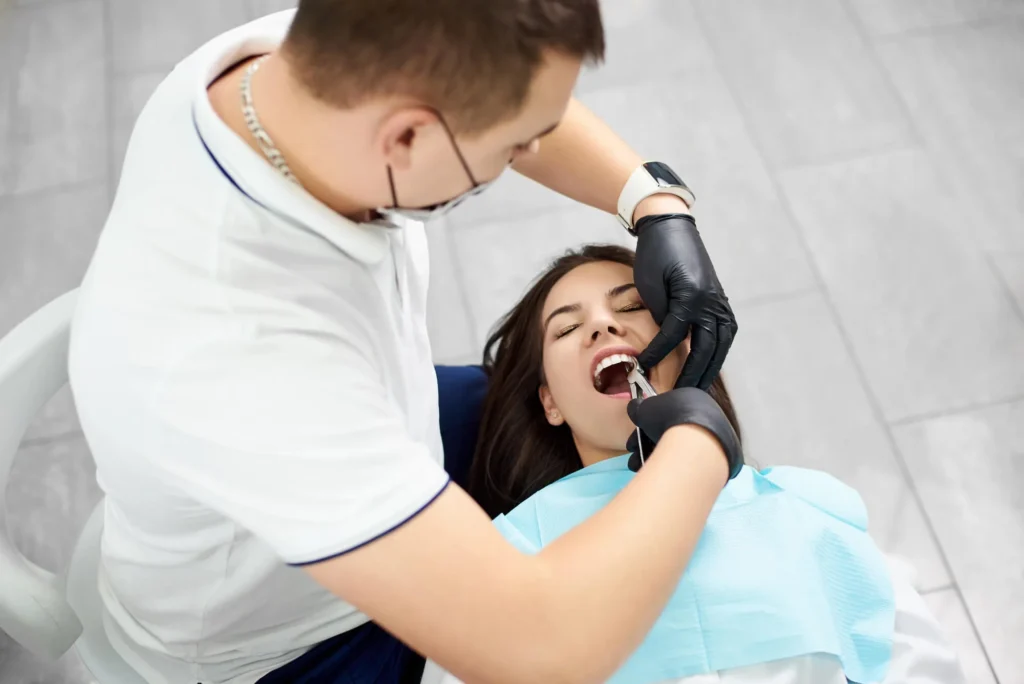
- Knocked-out teeth from falls or sports injuries must be treated quickly to save the tooth.
- Broken or fractured teeth that expose nerves and create sharp pain or sensitivity.
- Dental abscesses are characterized by swelling, pus, or fever, which can spread infection if not treated.
- Lost crowns or fillings that leave the inner tooth vulnerable and uncomfortable.
- Uncontrolled bleeding after trauma to the gums or soft tissues.
Knowing these situations helps patients act without hesitation. Immediate care relieves discomfort and can often save teeth and prevent long-term complications.
How Emergency Dentistry Protects Long-Term Oral Health
Emergency dentistry does more than provide fast relief. It helps protect your overall oral health for years to come. Prompt care for issues such as abscesses, knocked-out teeth, or fractures reduces the risk of infection and prevents damage from spreading to surrounding teeth and gums.
By addressing the problem quickly, an emergency dentist can often preserve the natural tooth and limit the need for more complex treatments in the future. Immediate attention also helps maintain proper bite function, which supports both comfort and long-term dental stability. Acting early is key to saving teeth and protecting your smile.
When to Call an Emergency Dentist in Miramar
The line between emergency and general care is often clear: if the problem causes severe pain, sudden swelling, or visible trauma, it’s best to call immediately. An emergency dentist can assess your symptoms and determine if urgent care is necessary.
At Horizon Dental Care, we understand that dental emergencies don’t follow business hours. That’s why our team is committed to providing compassionate, advanced care when you need it most. Whether you’re dealing with a middle-of-the-night toothache, an injury on the field, or sudden swelling, our priority is to restore your comfort and protect your health.
If you’re searching for an emergency dentist in Miramar, contact us today! We’ll welcome you like family and help you smile with confidence again.