
Last Updated on June 30, 2026
Dental implants are designed to replace missing teeth with stability and long-term function. Still, many patients focus so much on the procedure itself that they overlook an equally important part of the process—healing.
It is natural to wonder how long recovery will take, when normal activities can resume, and what signs indicate everything is progressing as expected. Understanding the healing process after a Sunrise oral surgery can help set realistic expectations and make recovery feel more manageable from the very beginning.
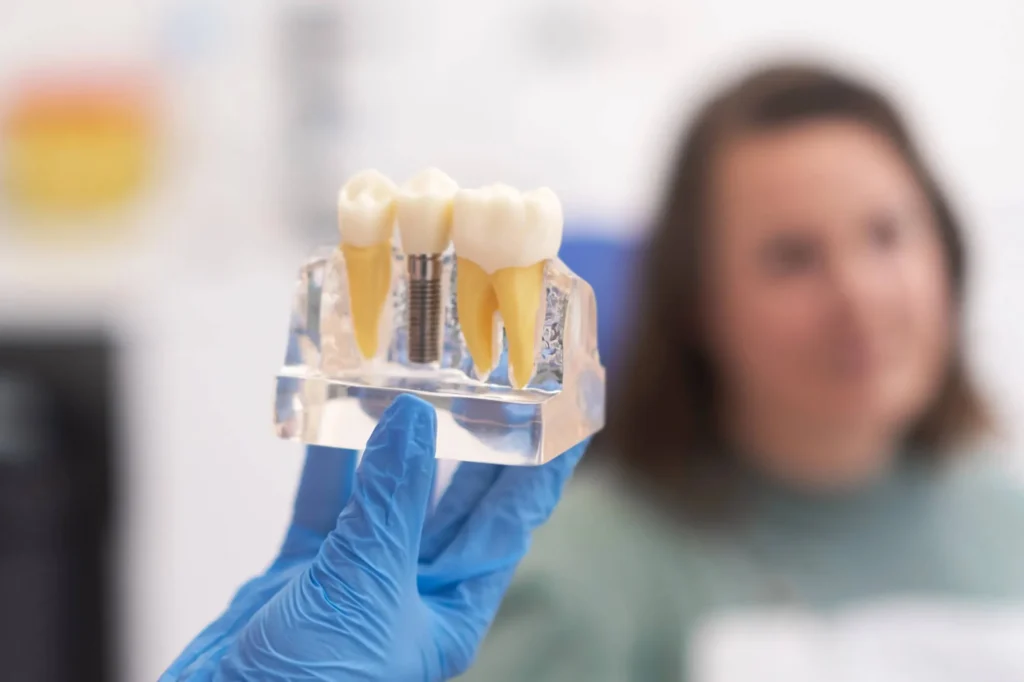
Understanding the Dental Implant Healing Process
Healing Happens in Stages
Dental implant recovery does not happen all at once. Healing occurs in several stages, beginning immediately after placement and continuing for several months. While the gums often recover relatively quickly, the bone beneath the surface requires additional time to bond with the implant.
This gradual process helps create the stability for which dental implants are known.
Every Patient Heals Differently
Healing timelines vary from person to person. Factors such as overall health, age, oral hygiene habits, bone quality, and whether additional procedures were performed can all influence recovery.
Some patients feel comfortable within a few days, while others may need more time before returning to their normal routine.
What Happens Immediately After Implant Placement?
The First 24 Hours
The body’s first response is to form a blood clot at the surgical site. This clot protects the area and supports the early stages of healing.
Mild bleeding, tenderness, and swelling are common during this period. Most patients are advised to rest, avoid strenuous activity, and follow post-operative instructions carefully.
Managing Discomfort
Some soreness is expected after implant placement. Many patients manage this discomfort with medications recommended by their dental provider.
Cold compresses applied to the outside of the face may help reduce swelling during the first day or two following surgery.
Protecting the Surgical Site
The first few days are important for healing. Patients are typically encouraged to avoid smoking, vigorous rinsing, drinking through straws, or chewing directly on the implant site.
Protecting the area allows healing to progress without unnecessary disruption.
The First Week of Recovery
Swelling Often Peaks Early
Many patients notice that swelling becomes more noticeable within the first 48 to 72 hours before gradually improving. Mild bruising may also occur around the surgical area.
These changes are often a normal part of the healing response.
Eating During Recovery
Soft foods are usually recommended during the early stages of recovery. Foods such as yogurt, scrambled eggs, soups, mashed vegetables, smoothies, and soft pasta may feel more comfortable while the surgical area heals.
Choosing softer foods reduces pressure on the implant site and helps support recovery.
Oral Hygiene Still Matters
Keeping the mouth clean remains important during healing. Dentists often recommend gentle brushing around the area and may suggest specific rinses to support healing while minimizing irritation.
Following these instructions helps reduce the risk of complications.
What Happens During Weeks Two Through Six?
Gum Tissue Continues to Heal
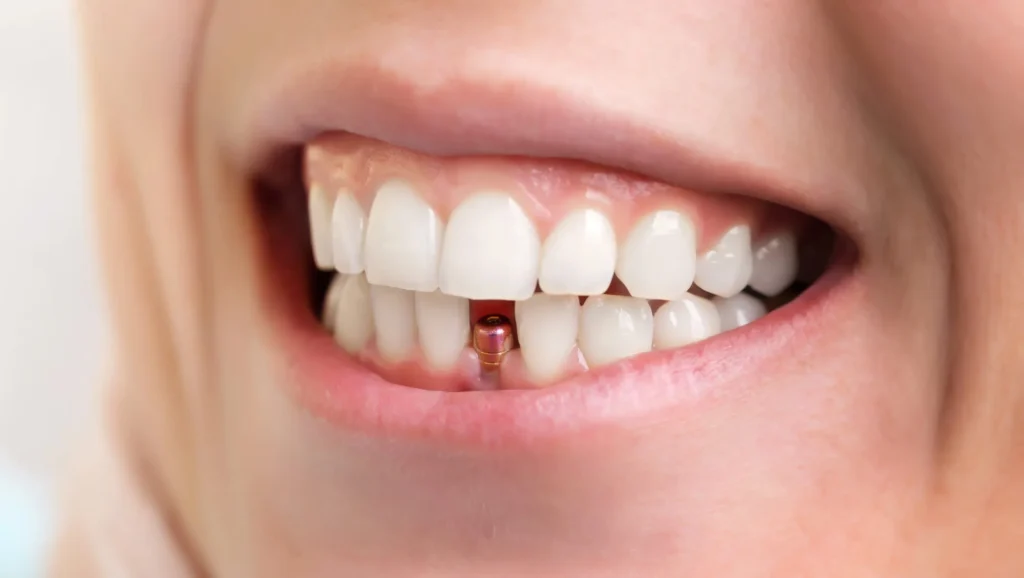
By this stage, much of the initial swelling and tenderness has improved. The gum tissue begins strengthening around the implant site, creating a healthier environment for long-term stability.
Many patients feel significantly more comfortable during this period and gradually return to normal activities.
Follow-Up Appointments
Follow-up visits allow the dental team to monitor healing and confirm that recovery is progressing appropriately. These appointments provide an opportunity to address any questions or concerns that may arise during the healing process.
Regular monitoring helps identify potential issues early.
Returning to Daily Activities
Most patients can resume normal routines relatively quickly. However, strenuous physical activity may still need to be limited based on individual circumstances and provider recommendations.
Osseointegration: The Longest Part of Healing
What Is Osseointegration?
While the gums may appear healed within a few weeks, the most important stage of implant recovery occurs beneath the surface. Osseointegration is the process by which the jawbone gradually bonds with the implant.
This biological connection helps create the stable foundation needed to support chewing and daily function.
How Long Does It Take?
Osseointegration often takes several months. In many cases, the process may take 3 to 6 months, though timelines vary depending on individual healing factors.
Because this stage occurs beneath the gums, patients may feel completely normal while the bone continues strengthening around the implant.
Why Patience Matters
Dental implants rely on successful integration with the jawbone. Allowing sufficient healing time helps maximize stability and long-term success.
Although waiting can feel challenging, this stage is one of the most important parts of treatment.
Factors That Can Affect Healing Time
Overall Health
Medical conditions and general health influence how efficiently the body heals. Patients who maintain healthy lifestyles often experience a smoother recovery.
Smoking and Tobacco Use
Smoking can interfere with circulation and slow the healing process. It may also increase the risk of implant complications.
Patients are often encouraged to avoid tobacco use during recovery whenever possible.
Bone Quality
The amount and quality of available bone influence implant stability and healing. Some patients may require bone grafting procedures before implant placement, which can affect overall treatment timelines.
Oral Hygiene Habits
Keeping the implant area clean supports healthy healing. Plaque buildup and poor oral hygiene may increase the risk of inflammation around the implant site.
Consistent home care remains important throughout recovery.
Signs Healing Is Progressing Normally
Gradually Improving Comfort
Most patients notice that discomfort lessens as healing progresses. Tenderness often decreases steadily over the first several days and weeks.
Healthy Gum Appearance
The gums around the implant should gradually appear healthier and more stable. Minor redness immediately after surgery is common, though this typically improves over time.
Stable Implant Site
The implant itself should remain stable throughout healing. Any concerns about movement should be evaluated promptly by your dental provider.
Questions About Healing After Sunrise Oral Surgery?
Healing after dental implant placement takes time, even after the initial soreness and swelling improve. While many patients return to normal activities fairly quickly, the bone continues bonding with the implant for several months. Knowing what to expect can make recovery feel more manageable and help you recognize normal healing milestones.
At Horizon Dental Care, we provide personalized implant care, clear communication, and ongoing support throughout the healing process. Contact us today to schedule a consultation and learn more about your dental implant options.