
Last Updated on November 24, 2025
Many people brush and floss every day, yet still feel unsure about whether their routine is thorough enough. You may wonder if your technique is effective or if certain areas are being missed without realizing it. Patients often want to keep their smile healthy but aren’t sure which habits matter most or how small changes can make a difference. With the support of a trusted dentist in Pembroke Pines, FL, you can establish a simple home care routine that promotes cleaner teeth, comfortable gums, and long-term oral health.
Why Strong Home Care Matters
How Daily Habits Protect Your Smile
Your daily home routine significantly impacts the health of your teeth and gums. Brushing and flossing help remove plaque before it becomes harder to clean, supporting a cleaner and more comfortable mouth. These basic steps reduce the risk of buildup in tight spaces where food tends to settle. Maintaining a steady routine makes each dental visit smoother and keeps your mouth feeling fresh between appointments.
Why Plaque Control Is Important
Plaque forms continuously throughout the day. Removing it regularly helps maintain gum comfort and protects the enamel. A consistent morning and evening routine reduces lingering particles and creates a cleaner environment for your teeth. Staying consistent also helps prevent odors caused by trapped bacteria.
How Brushing and Flossing Work Together
Brushing cleans the main surfaces of your teeth, while flossing reaches the narrow spaces your toothbrush cannot access. Working together, these habits support a balanced routine that helps maintain healthier gums, cleaner enamel, and fresher breath.
How to Brush Your Teeth Correctly
Choosing the Right Brush
Soft-bristled brushes are gentle on gums while still being effective. A small or compact brush head lets you reach tight angles around the back molars and along the gumline. Some patients prefer powered toothbrushes because they offer consistent motion and helpful timers.
Choosing a Toothpaste for Your Needs
Toothpaste that contains fluoride supports enamel strength and enhances daily brushing. Gel formulas feel smoother for many people and spread easily across the teeth. Patients with sensitivity may benefit from specialized formulas recommended by their dentist. Avoid abrasive pastes unless advised, as some can wear down enamel with frequent use.
A Step-by-Step Brushing Method
Hold the brush at a slight angle and use short, gentle strokes. Clean the outer surfaces first, then the inner surfaces, followed by the chewing surfaces. Pay attention to the gumline, as plaque often collects where the teeth and gums meet. Brushing your tongue helps reduce buildup and keeps your breath fresh throughout the day.
How Long and How Often to Brush
Two minutes twice a day is a helpful goal. Some patients divide the mouth into four sections and give each one attention for about 30 seconds. Brushing after breakfast helps clear morning buildup, while brushing before bed removes food from the day. If you enjoy snacks during the day, rinsing with water can help until your next brushing session.
How to Floss the Right Way
Choosing Floss That Works for You
Waxed floss glides easily between tight spaces. Unwaxed floss has a slightly textured surface that helps clean wider areas. Tape-style floss offers a broader surface and feels comfortable for many users. Pre-threaded flossers are designed to support patients who prefer an easier grip or have limited mobility. Patients with bridges or orthodontic appliances may use floss threaders for improved access.
Guiding the Floss Correctly
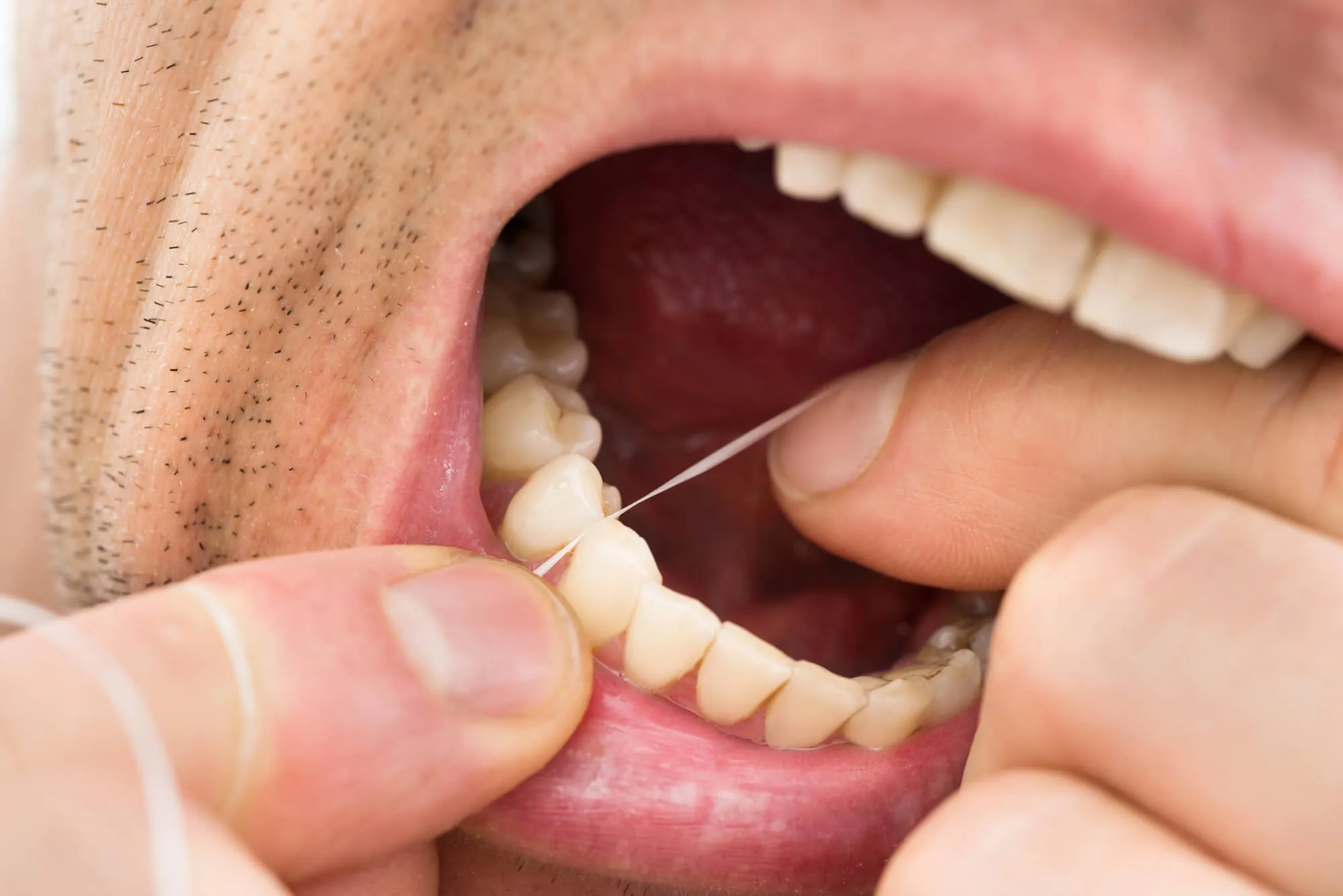
Use a piece of floss about 18 inches long and wrap each end around your fingers. Gently guide the floss between the teeth and curve it around the side of each tooth in a “C” shape. Slide it up and down to reach the full length of the tooth surface. Avoid snapping the floss, which can irritate the gums.
Cleaning Hard-to-Reach Areas
Back teeth often require more patience. Using a longer piece of floss or a flosser can help you reach these areas comfortably. Cleaning these spaces daily supports gum comfort and prevents buildup that can lead to irritation.
How Often to Floss
Flossing once a day is enough for most patients. Doing it at night removes leftover food and keeps your mouth cleaner before going to bed. This step supports gum health and enhances your daily brushing routine.
Tools That Help Improve Home Care
Interdental Brushes
Interdental brushes are useful for cleaning areas that standard floss may overlook. They work well around bridgework, partial dentures, or wider spaces. They are gentle and easy to use once you learn the proper technique.
Mouth Rinses
Alcohol-free rinses help freshen breath and keep the mouth feeling clean and fresh. Some formulas contain fluoride for added enamel support. Select a rinse that matches your needs or ask your dentist for guidance.
Tongue Cleaners
Tongue cleaners help reduce buildup and support fresher breath. A few gentle passes from back to front help maintain a cleaner mouth and complete your routine.
Creating a Home Care Routine That Fits Your Lifestyle
Morning Routine
Brushing after breakfast helps clear food and leaves your mouth feeling fresh as you begin your day. If you drink coffee or juice, rinsing with water afterward helps reduce temporary surface staining.
Evening Routine
Flossing before brushing removes trapped food and gives the toothbrush better access to each tooth. Brushing afterward completes your nighttime routine and helps you end the day with a clean mouth.
Midday Care
For patients who snack often or enjoy drinks throughout the day, rinsing with water helps maintain freshness. Keeping a small travel kit with floss or a brush can support consistency during busier days.
Habits That Support a Healthier Smile
Stay Hydrated
Water helps clear food particles, supports saliva flow, and keeps the mouth comfortable. Staying hydrated is a simple way to help maintain cleaner teeth throughout the day.
Watch for Signs of Grinding
If you notice worn edges on your teeth or wake with jaw tightness, mention this during your next visit. A nightguard may help protect your teeth from grinding.
Keep Supplies Handy
Keeping floss, brush heads, or mouth rinse nearby helps you stay consistent. Patients often find that easy access encourages better habits.

Get Personalized Home Care Support From Our Dentist in Pembroke Pines, FL
Strong brushing and flossing habits support your oral health between visits. With the right approach, you can maintain cleaner teeth, comfortable gums, and a fresher mouth each day. Many patients find that small adjustments make their routine easier and more effective.
Horizon Dental Care is committed to helping you build a home care routine that feels simple, comfortable, and effective. If you want guidance tailored to your needs or have questions about your brushing or flossing technique, our team is here to support you. Schedule your consultation today and experience care centered on your comfort, confidence, and long-term oral health.