
Last Updated on October 15, 2026
You’ve been eyeing that bright, even smile for months, but one question keeps nagging at you: once you get veneers, is there any going back? It’s fair to wonder before committing to a big change like this. Porcelain veneers can last well over a decade, yet “permanent” means something a little different than you might expect.
Knowing what happens to your teeth and how long results last helps you decide whether cosmetic dentistry in Pembroke Pines, FL, fits your goals and lifestyle.
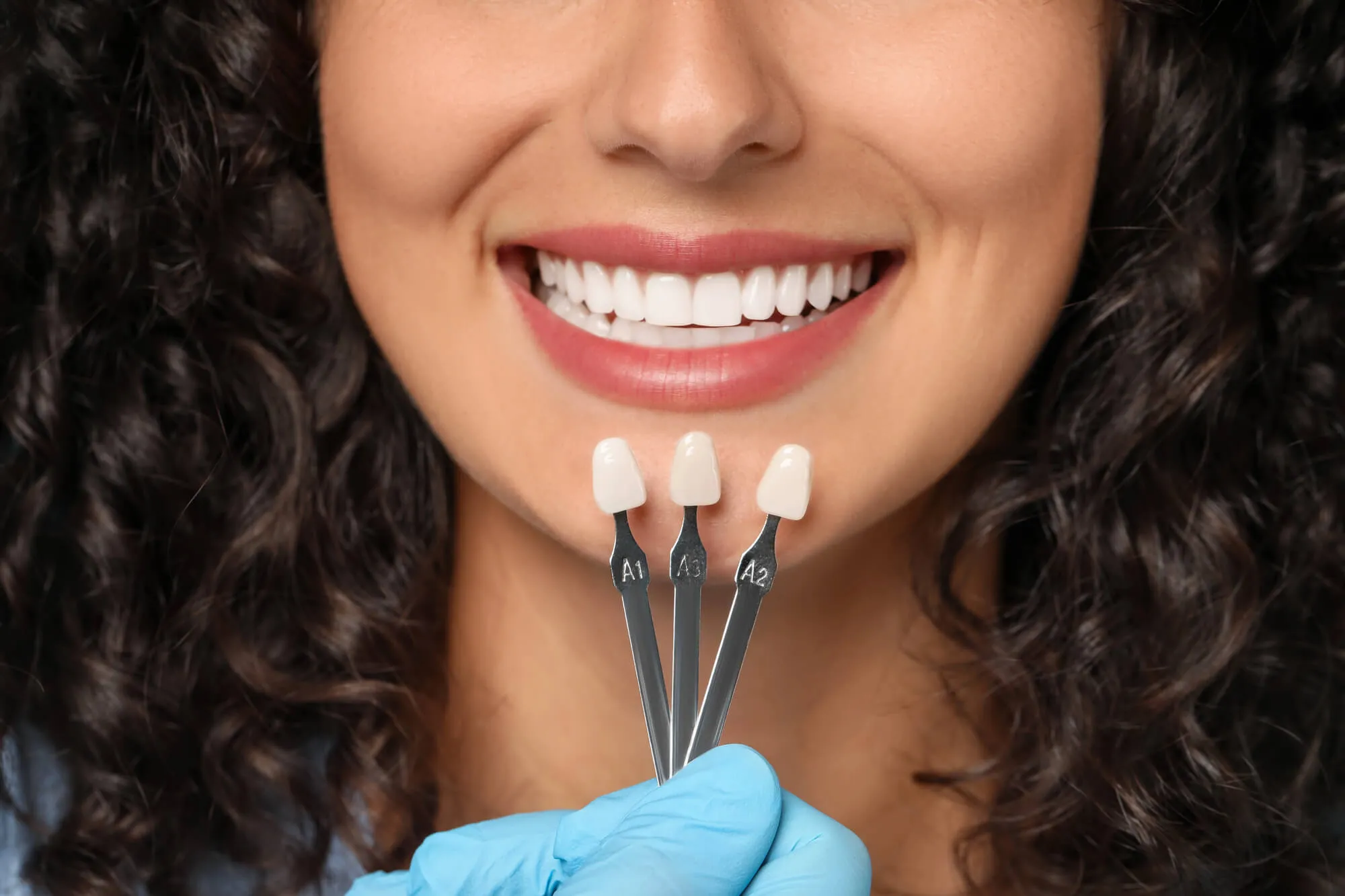
What “Permanent” Means for Porcelain Veneers
The word “permanent” carries two meanings with veneers. The change to your natural tooth is permanent. The veneer itself is long-lasting, but it won’t last forever.
Think of it like refinishing a hardwood floor. The sanding removes wood for good, while the fresh finish lasts for years before it needs redoing. Veneers work much the same way.
The Tooth Prep Can’t Be Undone
Before a veneer goes on, your dentist removes a thin layer of enamel from the front and sides of the tooth. This step makes room for the porcelain so your smile doesn’t look bulky. Because of that prep, veneer treatment isn’t reversible.
Enamel is the hardest tissue in your body, but lost enamel can’t grow back. A prepared tooth will always need some kind of covering to look and feel its best. That covering is usually a new veneer, and sometimes a crown if the tooth has more damage later on.
How Long Porcelain Veneers Usually Last
Porcelain veneers often last 10 to 15 years, and some last even longer with good care. The porcelain resists stains and holds up well to daily chewing. How long yours lasts depends on a few things:
- Your brushing and flossing routine
- Whether you grind or clench your teeth
- Habits like chewing ice or biting your nails
- The health of the gums around each veneer
- How often you go in for checkups
No one can promise an exact timeline, since every mouth handles daily wear differently. Regular exams give your dentist a chance to spot small issues before they turn into bigger problems.
Signs a Veneer Needs Repair or Replacement
Veneers rarely fail all at once. Small changes usually show up first, so pay attention if you notice:
- A chip or crack in the porcelain
- An edge that feels rough or loose
- A dark line near the gumline
- Gums pulling back and exposing the edge of the veneer
- New sensitivity to hot or cold
- A bite that suddenly feels off
Catching these early often means a simple repair instead of a full replacement. A dentist can sometimes polish a rough edge or re-bond a loose veneer in one visit.
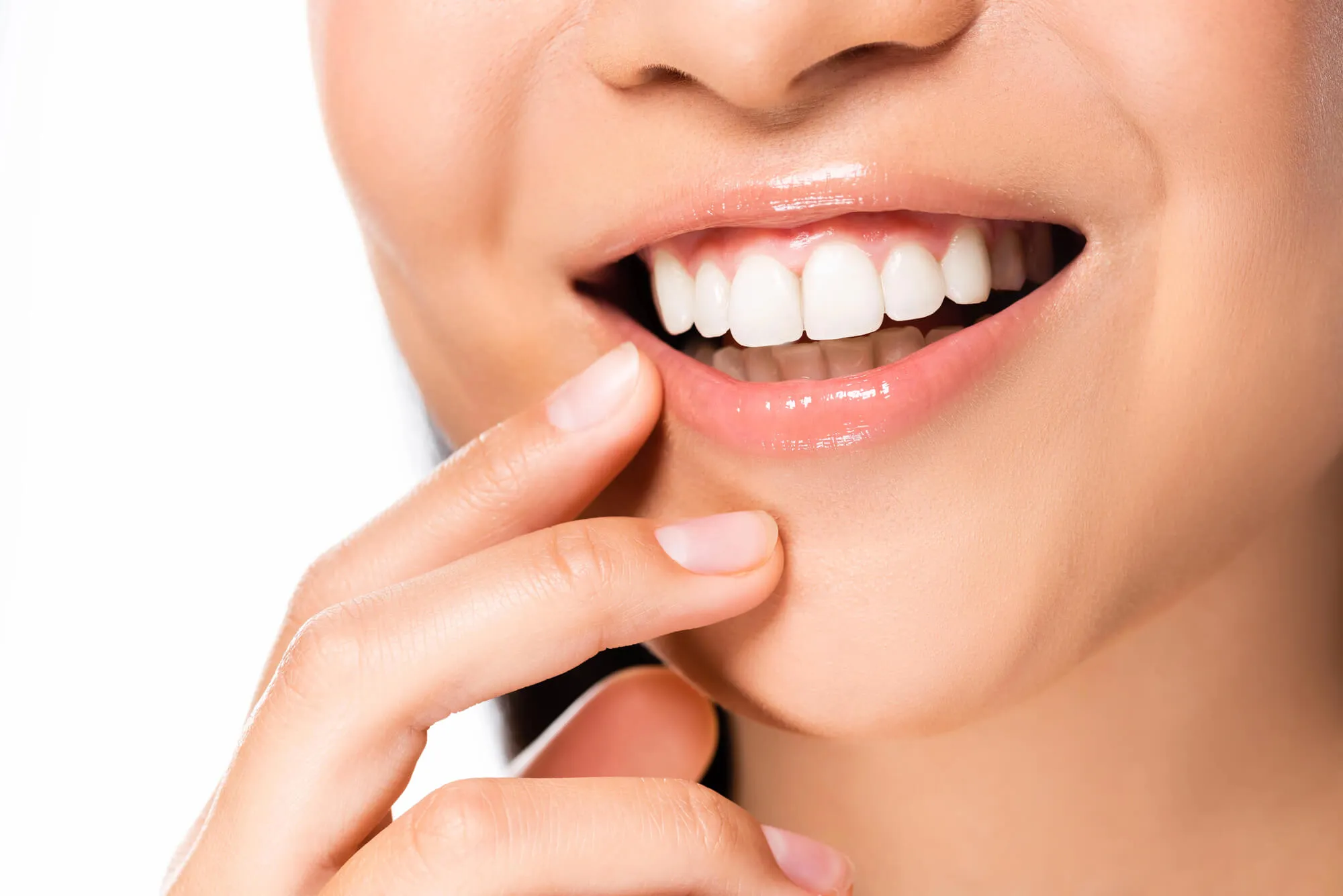
What Replacing a Veneer Involves
Replacing a veneer follows many of the same steps as the first placement. Your dentist carefully removes the old porcelain, then checks the tooth underneath for decay or wear.
After that, new impressions go to a dental lab so a fresh veneer can be crafted to match your smile. The new veneer is bonded in place and adjusted for comfort. If the tooth has weakened over the years, a porcelain crown may offer better protection.
Habits That Help Veneers Last Longer
Your daily routine has a big say in how long your veneers stay in great shape. These habits go a long way:
- Brush twice a day with fluoride toothpaste and floss daily
- Skip ice, hard candy, and pen caps
- Avoid using your teeth to open packages
- Wear a night guard if you grind your teeth
- Keep up with regular cleanings and exams
Grinding your teeth at night puts heavy pressure on porcelain, and it can crack natural teeth, too. A night guard cushion that forces while you sleep. Cavities can still form around the edges of a veneer, so flossing matters as much as ever.
Is a Permanent Option Right for You?
Veneers suit adults with healthy teeth and gums who want to fix stains, chips, uneven edges, or small gaps. They work best when you feel sure about the look you want, since the prep step is a lasting choice.
If you’d rather keep your enamel intact, dental bonding offers a more conservative option. It uses tooth-colored resin and usually needs little to no enamel removal. The trade-off is that bonding doesn’t last as long and can stain over time. Comparing veneers and bonding side by side can help you weigh each choice.
Planning to whiten? Do it before your veneers go on. Porcelain won’t change color with whitening, so your dentist matches the veneer shade to your brightened natural teeth.
Frequently Asked Questions
Can porcelain veneers be removed?
A dentist can remove a veneer to replace it. Your natural tooth will still need a new veneer or another restoration afterward because of the enamel prep.
Can teeth decay under veneers?
Yes. The porcelain can’t get cavities, but the natural tooth underneath still can, especially along the edges. Daily flossing and regular checkups help protect it.
Will my veneers look natural?
Porcelain reflects light much like enamel, and each veneer is shaped and shaded for your smile. The details that make veneers look natural start with careful planning.
Can I whiten my veneers later?
No. Whitening gel doesn’t change the color of porcelain, which is why whitening before treatment makes sense.
Can I replace just one veneer, or do they all need to be redone?
A single damaged veneer can usually be replaced on its own. Your dentist works with the lab to match the new porcelain to the shade and shape of your existing veneers, so the replacement blends in with the rest of your smile.
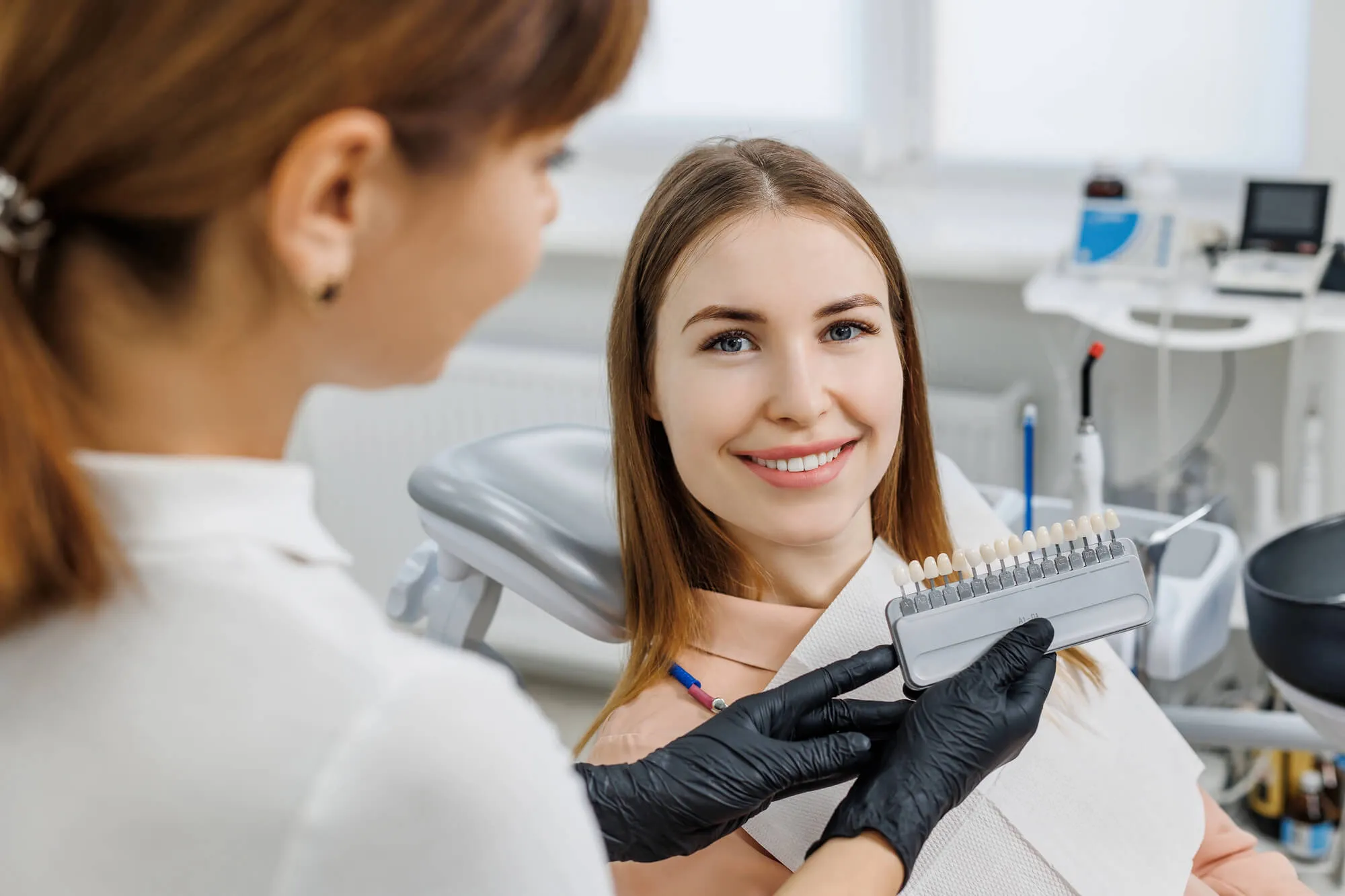
Get Lasting Results With Cosmetic Dentistry in Pembroke Pines, FL
At Horizon Dental Care, a beautiful smile is about more than looks. It’s about confidence, self-esteem, and the impression you leave on others. Horizon Dental Care has proudly served the Broward community since 1986, and the Pembroke Pines team greets every patient with a warm hello and works to make each visit relaxed and comfortable.
From your first consultation to your final placement visit, you’ll get honest guidance on whether veneers, bonding, or whitening fits your goals, with care available in English, Spanish, Creole, and Portuguese. When you’re ready for a smile that lasts, contact us to schedule your cosmetic consultation.