
Last Updated on February 27, 2026
A healthy smile can feel effortless—until a small change gets your attention. Sensitivity during meals, bleeding gums while brushing, or a faint dark spot on a tooth can cause concern quickly. It’s not always clear whether the change needs care now or can wait. Preventative dentistry helps identify problems early and keeps them manageable. Regular visits with a trusted family dentist in Pembroke Pines help you stay ahead of dental problems and keep your routine comfortable and predictable.

What Preventative Dentistry Means for Your Oral Health
Why Prevention Focuses on Small Changes
Preventative dentistry aims to identify and address concerns early. Plaque buildup, gum irritation, and enamel wear develop slowly. Early care keeps these issues simple to manage and helps maintain comfort during daily routines.
Preventative visits are not only about clean teeth. They also give your dentist a clearer view of gum health, bite patterns, and early enamel changes.
Who Benefits From Preventative Dentistry
Preventative care supports patients at every stage of life by helping dentists monitor changes early and keep daily routines comfortable. With regular exams, cleanings, and guidance, patients can maintain healthier teeth and gums while reducing the chance of unexpected problems.
Preventative dentistry is especially helpful for:
• Children, who benefit from early guidance, growth monitoring, and healthy habit building
• Adults, who maintain strong teeth and gums through consistent exams and cleanings
• Older adults, who receive support for crowns, implants, dentures, and gum health
• Patients with past dental issues, who benefit from closer monitoring
With steady care, preventative dentistry keeps smiles healthier, more comfortable, and easier to maintain over time.
Dental Exams: The Foundation of Preventative Care
What Happens During a Dental Exam
During an exam, your dentist checks each tooth, the gumline, and the bite. They look for early signs of decay, worn fillings, cracks, or gum irritation. Bite patterns may reveal clenching or grinding habits.
These evaluations help identify concerns early and guide care that keeps teeth comfortable.
Why Exams Catch Problems Early
Cavities, gum changes, and enamel wear can develop quietly. Early detection keeps treatment simpler and more predictable. Exams also track changes over time, giving your dentist a clear view of how your oral health evolves.
How Exams Support Personalized Care
Every mouth is different. Dental history, diet patterns, and home care habits all influence oral health. Dental exams help tailor recommendations to your needs, making prevention more effective.
Dental Imaging and X-Rays: Seeing Beyond the Surface
Why Dental Imaging Matters
Some dental concerns are hidden between teeth or beneath the gumline. Digital imaging helps reveal early cavities, bone changes, or infections that are not visible during a visual exam.
This information helps dentists plan care with accuracy.
Are Dental X-Rays Safe?
Modern dental X-rays use low radiation levels and protective measures. They are taken only when needed and provide valuable information about your oral health. Your dentist explains when imaging is recommended and how it supports diagnosis.
How Imaging Supports Preventative Care
Imaging helps track changes over time. It shows areas that need closer monitoring and helps guide early care decisions. This keeps treatment focused and avoids surprises later.
Professional Cleanings: More Than Cosmetic Care
Removing Buildup That Brushing Can’t Reach
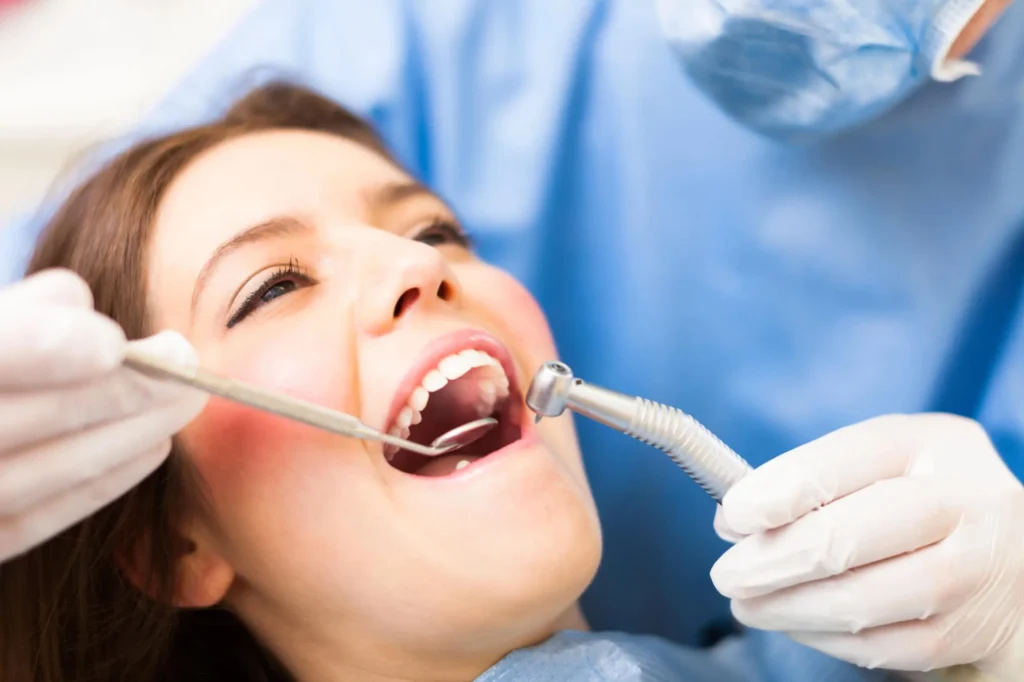
Even with careful brushing, plaque may harden into tartar in hard-to-reach areas. Professional cleanings remove buildup near the gumline and between teeth, helping maintain healthier gums.
Supporting Gum Health
Cleanings help reduce irritation and support stable gum tissue. Healthy gums support teeth and improve comfort during daily routines.
Keeping Breath Fresh and Teeth Smooth
Removing buildup leaves teeth feeling smoother and cleaner. Many patients notice fresher breath and easier brushing afterward.
Home Care: Your Role in Preventative Dentistry
Brushing and Flossing Consistently
Daily home care supports the work done during dental visits. Brushing twice a day with fluoride toothpaste and flossing once daily helps keep plaque levels low.
Choosing the Right Tools
Soft-bristled toothbrushes, interdental brushes, and floss picks can improve cleaning. Your dentist or hygienist may recommend tools based on your tooth alignment and gum health.
Diet and Hydration
Frequent consumption of sugary snacks or acidic drinks can weaken enamel over time. Drinking water after meals and choosing balanced snacks help protect teeth.
Watching for Early Signs
Sensitivity, gum bleeding, or changes in bite deserve attention. Noticing these signs early allows you to seek care before discomfort grows.
How Preventative Dentistry Saves Time and Stress
Reducing Unexpected Dental Problems
Routine visits help identify small issues early. This often means simpler care and fewer emergency visits.
Maintaining Existing Dental Work
Crowns, fillings, bonding, dentures, and implants benefit from regular monitoring. Preventative care checks their fit and stability, so they continue working well.
Building Confidence in Your Smile
Consistent care helps patients feel comfortable about their oral health. Knowing your teeth are monitored regularly reduces worry about sudden problems.
When Preventative Visits May Be Needed More Often
Not every smile needs the same visit schedule. Some patients benefit from more frequent checkups so small changes are noticed early, and comfort stays consistent.
Patients With Gum Concerns
If gums show irritation, bleeding, or deeper pocket measurements, your dentist may suggest more frequent visits. These appointments help monitor healing, remove buildup in sensitive areas, and support healthier gum tissue over time.
Patients Prone to Cavities
Some patients develop cavities more easily due to enamel weakness, dry mouth, dietary habits, or past dental history. Closer monitoring helps identify early enamel changes, keeping care simple and predictable.
Patients With Dental Implants or Dentures
Implants, crowns, bridges, and dentures benefit from routine evaluations. Regular visits allow your dentist to check the stability, fit, and gum response around restorations to ensure they continue working comfortably.
Your dentist will recommend a visit schedule based on your oral health history, daily habits, and long-term goals so that preventative care remains effective and easy to maintain.
Protect Your Smile with Preventative Dentistry in Pembroke Pines
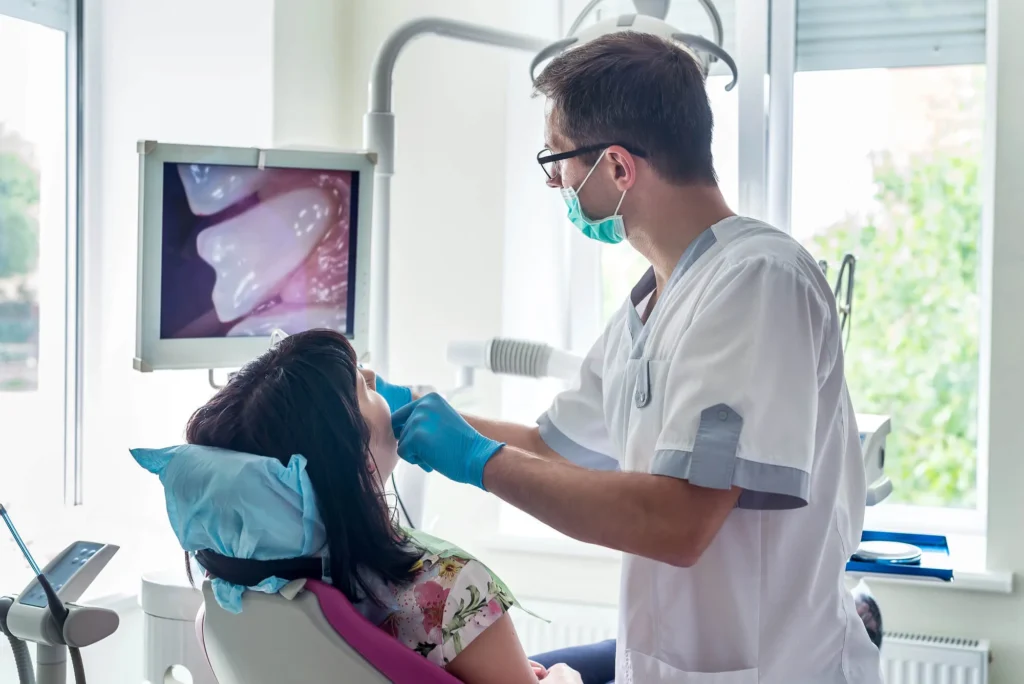
Preventative care keeps dental routines simple and predictable. Dental exams, imaging, cleanings, and good home care all work together to maintain healthy teeth and gums. Staying consistent with visits helps protect comfort, appearance, and confidence.
Horizon Dental Care is committed to providing thoughtful, patient-centered preventative care for families in Pembroke Pines, Miramar, Sunrise, and nearby communities. Our team focuses on comfort, clear communication, and long-term oral wellness for patients of all ages. Book your appointment today and keep your oral health on a steady path.