
Last Updated on February 27, 2026
Severe tooth pain can interrupt your day without warning. It may begin as a dull ache, then build into throbbing discomfort that makes eating, sleeping, or even talking difficult. In that moment, it’s hard to know whether to wait, take medicine, or call for help. Acting early can protect your teeth and ease stress before the problem worsens. If you’re not certain what to do next, visiting a dental clinic in Miramar can provide clear answers, explain possible causes, and guide you to the right care so you can find relief sooner and feel more at ease.
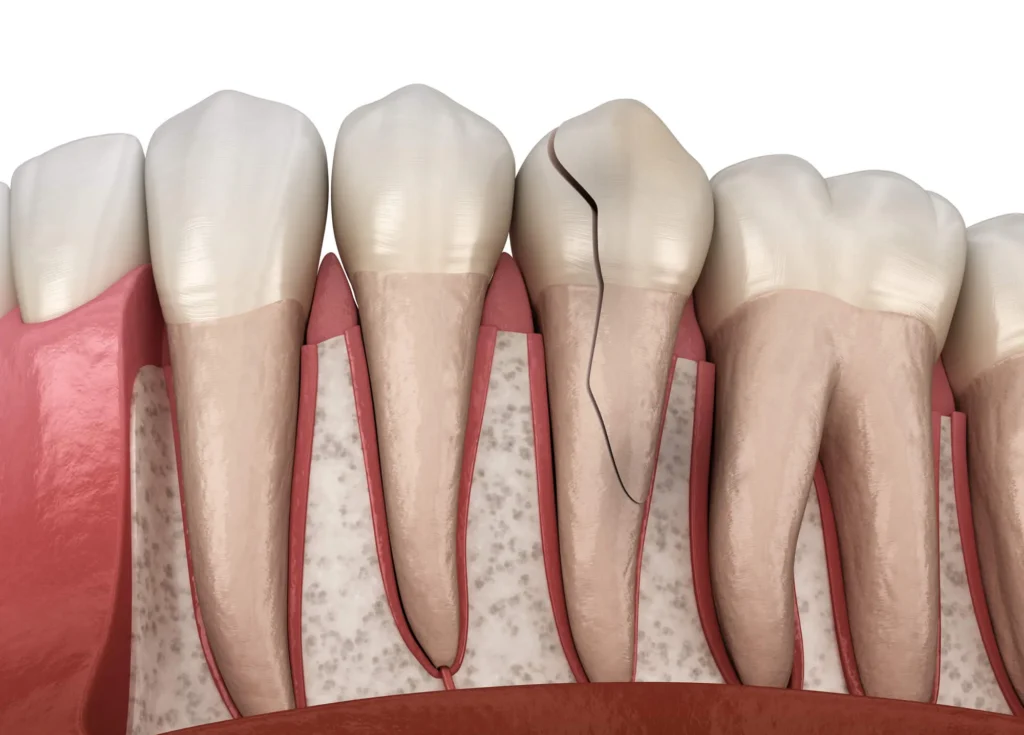
What Severe Tooth Pain May Mean
Common Causes of Sudden Tooth Pain
Tooth pain often comes from decay that has reached deeper layers of a tooth. Cracks, worn fillings, or gum irritation can also trigger sharp or lingering discomfort. Infections inside the tooth may cause swelling, pressure, or sensitivity to hot and cold foods.
Pain that comes and goes still matters. Teeth rarely improve without care, and small concerns may grow more complicated with time.
Pain That Travels Along the Jaw
Nerves in the jaw can send pain signals to nearby teeth. A problem in one area may feel like it’s coming from another tooth. Sinus pressure can also create similar discomfort in upper teeth. A dental exam helps pinpoint the source so care stays focused and effective.
Signs That Need Immediate Attention
Contact a dentist quickly if you notice:
- Swelling in the face or jaw
- Fever or feeling unwell
- A broken tooth
- Bleeding that continues
- Pain that keeps you awake
These signs may indicate infection or injury that needs prompt care.
What to Do Right Away at Home
Rinse With Warm Salt Water
A gentle saltwater rinse can help clean the area and reduce irritation. Mix half a teaspoon of salt in warm water and swish for about 30 seconds. Avoid very hot or cold liquids.
Floss to Check for Trapped Food
Food stuck between teeth can cause sharp pain. Gently floss around the sore area to remove debris. Avoid sharp tools that could injure gums.
Use a Cold Compress
A cold compress placed on the cheek near the sore tooth can help reduce swelling. Apply it for short periods with breaks in between.
Take Pain Relief Carefully
Over-the-counter pain relievers may help temporarily. Follow instructions on the label. Do not place medication directly on gums or teeth.
Choose Soft Foods
Eat soft foods and chew on the opposite side of your mouth. Avoid sticky, hard, or sugary foods until you see a dentist.
These steps can help manage discomfort briefly, though they do not replace professional care.
What Not to Do During Severe Tooth Pain
Do Not Ignore Ongoing Pain
Pain lasting more than a day or two deserves attention. Waiting often allows infection or damage to spread.
Avoid Home Repairs
Glue, tape, or store-bought dental kits may cause harm. Dental materials require proper technique and sterile conditions.
Do Not Use Heat on Swelling
Heat can increase swelling and discomfort. Cold compresses are safer for temporary relief.

How Dentists Find the Cause of Tooth Pain
Dental Examination
Your dentist begins by reviewing your symptoms and examining each tooth carefully. They look for cracks, worn fillings, decay, gum irritation, and signs of infection. Bite patterns are also evaluated to check for pressure points that may cause discomfort.
Digital Imaging
Digital X-rays help reveal problems that are not visible during a visual exam. These images can show decay between teeth, infections near the root, bone changes, or hidden fractures that may be causing pain.
Testing Tooth Response
Dentists may gently test how teeth react to temperature or pressure. These tests help identify which tooth is affected and how sensitive the nerve may be.
A clear diagnosis allows your dentist to recommend care that matches the cause of pain and supports faster relief.
Fillings or Repairs
If decay or a small fracture is found early, a filling or minor repair may restore comfort and protect the tooth from further damage. These treatments help rebuild structure while keeping as much natural tooth as possible.
Root Canal Care
If infection reaches the inner pulp of a tooth, root canal therapy may be recommended. This procedure removes infected tissue, cleans the inside of the tooth, and seals it to prevent future irritation while preserving your natural tooth.
Crowns
Teeth weakened by cracks or large fillings may benefit from crowns. A crown covers the tooth to restore strength, support chewing, and reduce the chance of further breakage.
Gum Care
If gum infection causes pain, cleaning below the gumline combined with improved home care may help restore comfort and support healthier gums.
Your dentist will explain each option clearly, answer questions, and help you choose care that fits your needs and comfort level.
How to Reduce the Risk of Future Tooth Pain
Keep Routine Dental Visits
Regular exams help identify small concerns before they become painful. Professional cleanings remove buildup brushing can’t reach.
Maintain Daily Oral Care
Brush twice a day with fluoride toothpaste and floss once daily. A steady routine supports healthy teeth and gums.
Protect Teeth From Grinding
Grinding can cause cracks and sensitivity. A custom nightguard may protect teeth during sleep.
Notice Early Changes
Sensitivity, gum bleeding, or a rough edge on a tooth should be evaluated early. Small adjustments often prevent larger problems.
When to Call an Emergency Dentist
Contact a dentist promptly if you have:
- Severe pain lasting more than two days
- Swelling or fever
- A broken or loose tooth
- Injury to the mouth
- Sudden sensitivity that worsens
Quick care can protect your teeth and help restore comfort.

Relieve Tooth Pain Today with a Dental Clinic in Miramar
Severe tooth pain can feel overwhelming, yet you don’t have to manage it alone. Acting quickly, staying calm, and seeking care early can protect your smile and reduce stress. Knowing what to do in the first hours of pain makes a difference.
Horizon Dental Care is dedicated to providing compassionate, patient-centered emergency care for families in Miramar and nearby communities. The team focuses on comfort, clear communication, and prompt attention so you can feel supported during stressful dental situations.
If you’re experiencing severe tooth pain, contact Horizon Dental Care right away to schedule an emergency visit and receive care designed to relieve discomfort, restore function, and support your long-term oral health.