
Last Updated on October 31, 2025
If you’ve been living with one or more missing teeth, you might wonder whether there’s a long-lasting way to restore your smile and comfort. With today’s advanced dental technology, dental implants in Pembroke Pines, FL, have become one of the most trusted and natural-looking ways to replace lost teeth. But what exactly are dental implants, and how do they work? Here’s what makes this option such an effective way to restore both confidence and oral function.
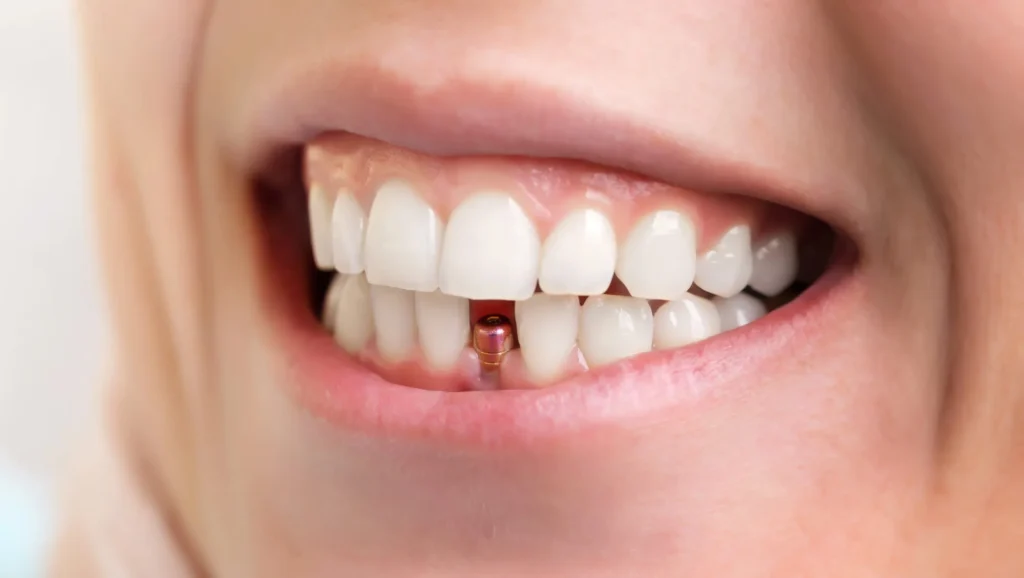
What Are Dental Implants?
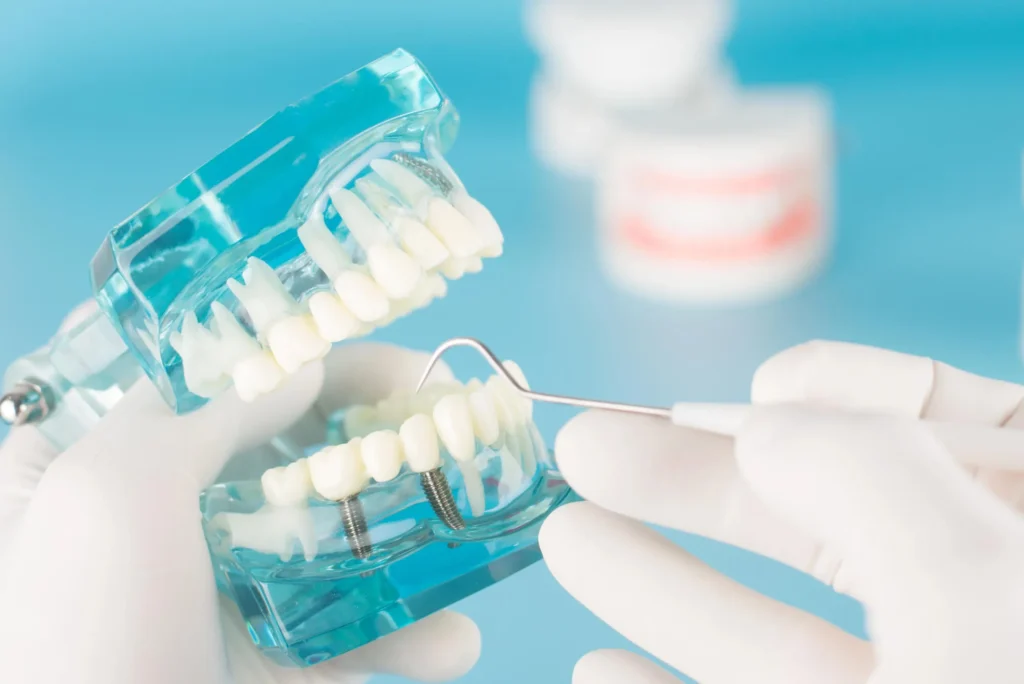
Dental implants are small titanium posts that act as artificial tooth roots. They are surgically placed into your jawbone, where they fuse naturally with the bone through a process called osseointegration. Once healed, the implant becomes a sturdy foundation for a replacement tooth—usually a dental crown, bridge, or denture.
Unlike traditional options that rest on top of the gums, implants mimic the way natural teeth are anchored in your mouth. This makes them more stable, comfortable, and lifelike. In many cases, patients say they forget they even have implants after a short period because they function just like natural teeth.
The Structure of a Dental Implant
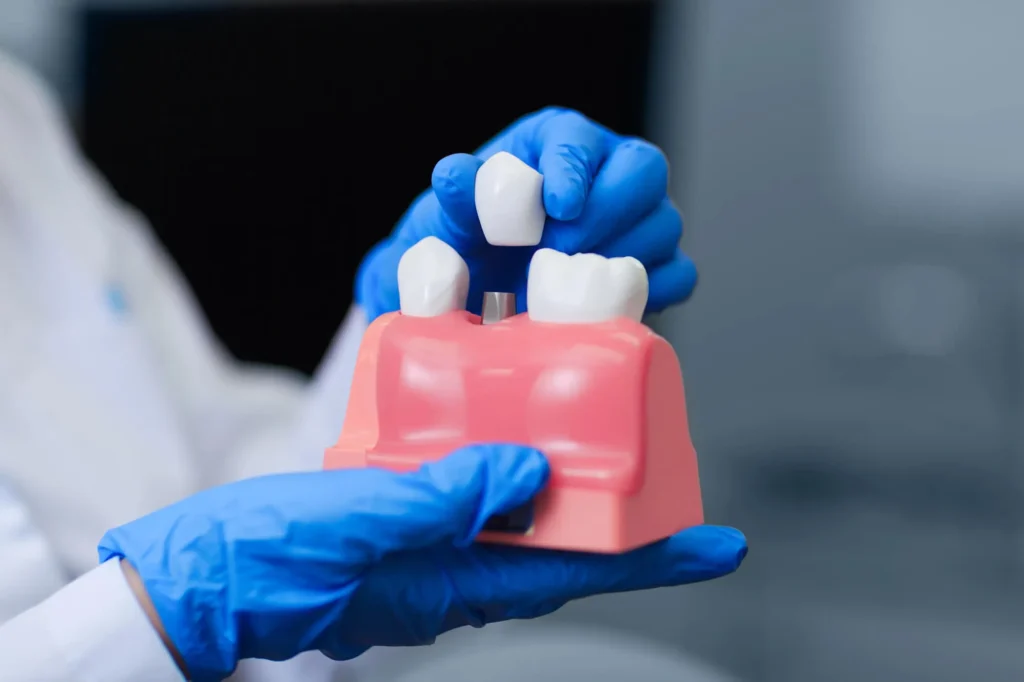
Each dental implant has three main parts, designed to work together like a natural tooth:
1. The Implant Post
This titanium post replaces the natural tooth root. Titanium is biocompatible, meaning your body accepts it without irritation or rejection. Over time, the jawbone fuses to the implant, creating a permanent base that supports your new tooth.
2. The Abutment
An abutment is attached once the implant has healed and integrated with the bone. This small connector piece joins the implant post to the visible restoration—your custom-made crown, bridge, or denture.
3. The Restoration
Finally, a lifelike restoration is attached to the abutment. For a single tooth, it’s usually a ceramic crown designed to match the color and shape of your natural teeth. For multiple missing teeth, an implant-supported bridge or denture may be used.
This three-part system allows dental implants to replicate the appearance and function of natural teeth.
How the Dental Implant Process Works
Understanding the process can help you feel more comfortable and informed before your treatment. While every patient’s journey is unique, here’s what typically happens during a dental implant procedure:
Step 1: Consultation and Planning
Your dentist begins with a comprehensive exam, digital imaging, and sometimes 3D scans to assess your bone health and gum condition. They’ll discuss your medical history, oral hygiene habits, and goals to determine if you’re a good candidate for dental implants.
Step 2: Implant Placement
During this stage, the titanium post is placed precisely into your jawbone. The procedure is performed under local anesthesia or sedation, ensuring comfort throughout. Most patients describe mild pressure but minimal discomfort.
Step 3: Healing and Osseointegration
Over the next few months, the bone grows around the implant in a process called osseointegration. This natural fusion creates a stable foundation that can last for many years.
Step 4: Abutment and Restoration
Once healing is complete, your dentist attaches the abutment and then fits your custom crown or restoration. The final result blends so naturally with your smile that most people won’t be able to tell the difference.
Who Can Benefit from Dental Implants?
Dental implants can be an ideal option for adults who have lost one or more teeth due to injury, decay, or gum disease. You might be a good candidate if:
- You have healthy gums and sufficient bone to support an implant.
- You’re in overall good health and don’t smoke heavily.
- You want a stable, long-term tooth replacement.
- You prefer a fixed option rather than removable dentures.
For patients who’ve experienced bone loss, additional procedures like bone grafting or sinus lifts can help rebuild a solid foundation for implants. Your dentist will guide you through these options during your consultation.
The Advantages of Dental Implants
Many people choose implants because they go beyond improving appearance; they help maintain long-term oral health and comfort. Some of the key benefits include:
1. A Natural Look and Feel
Implants closely replicate the way your natural teeth look and function. You can smile, eat, and speak confidently without worrying about slipping dentures.
2. Long-Term Durability
With proper care, implants can last for decades. Their titanium structure resists decay and wear, unlike natural tooth roots that can weaken over time.
3. Bone Preservation
When a tooth is lost, the surrounding jawbone begins to deteriorate. Implants stimulate the bone just like a natural root would, preventing bone loss and helping maintain facial structure.
4. Better Oral Health
Unlike dental bridges, implants don’t rely on neighboring teeth for support. That means your healthy teeth stay untouched, and cleaning around your implants is easy with regular brushing and flossing.
5. Comfort and Stability
Because they’re securely anchored in the bone, implants eliminate the discomfort and shifting that often come with removable dentures.
Common Questions About Dental Implants
How Long Does the Process Take?
From placement to final restoration, the process usually takes several months to allow for proper healing and integration. However, each patient’s timeline varies based on bone density, healing speed, and individual needs.
Does the Procedure Hurt?
Most patients report that implant placement causes less discomfort than they expected. With modern anesthesia and gentle techniques, any post-surgical soreness is typically mild and temporary.
How Do I Care for My Implants?
Good oral hygiene is essential. Brush twice a day, floss daily, and schedule regular checkups. Implants don’t decay, but the surrounding gums and bone still need attention to stay healthy.
Can Dental Implants Fail?
Implant success rates are high—usually over 95%. Failure is rare but can occur due to infection, smoking, or poor aftercare. Your dentist will provide detailed post-procedure instructions to help ensure success.
What Happens If You Don’t Replace a Missing Tooth?
Many people delay replacing a missing tooth, assuming it’s only a cosmetic concern. In reality, tooth loss affects much more than appearance. Over time, the surrounding teeth shift into the gap, the jawbone shrinks, and your bite alignment changes. These issues can lead to chewing difficulties, headaches, and even premature facial aging.
Dental implants help prevent these complications by keeping your bite stable and your jawbone strong, thus protecting your oral health for the long term.
Restore Confidence and Comfort with Dental Implants in Pembroke Pines
Missing teeth don’t have to define your smile or your confidence. Dental implants offer a reliable, natural-looking way to replace missing teeth and restore your quality of life.
At Horizon Dental Care, our team combines advanced technology with compassionate care to make your implant experience smooth and rewarding. From detailed 3D scans to gentle placement techniques, we focus on your comfort and long-term results.
Whether you’re missing one tooth or several, our dentists will create a plan tailored to your needs and goals. You’ll receive clear guidance at every step, from consultation to your final restoration, so you can feel confident in your care. Contact us today!