
Last Updated on October 31, 2025
You brush every morning and night, sometimes even after meals. You floss, use mouthwash, and feel confident about your routine. Yet your dentist still points out new cavities during your checkup. It’s frustrating, and you’re not alone. Many people wonder how tooth decay can happen despite good hygiene. Yes, brushing is important—but it’s only one piece of the oral health puzzle. Here’s what your dentist in Sunrise, FL, wants you to know about what really causes cavities.

Why Do Cavities Form
Cavities, or dental caries, develop when bacteria in your mouth produce acids that erode the enamel, which is the protective outer layer of your teeth. This process begins when food particles and sugars remain on your teeth for too long. Even with daily brushing, small gaps, missed spots, or certain habits can allow bacteria to thrive.
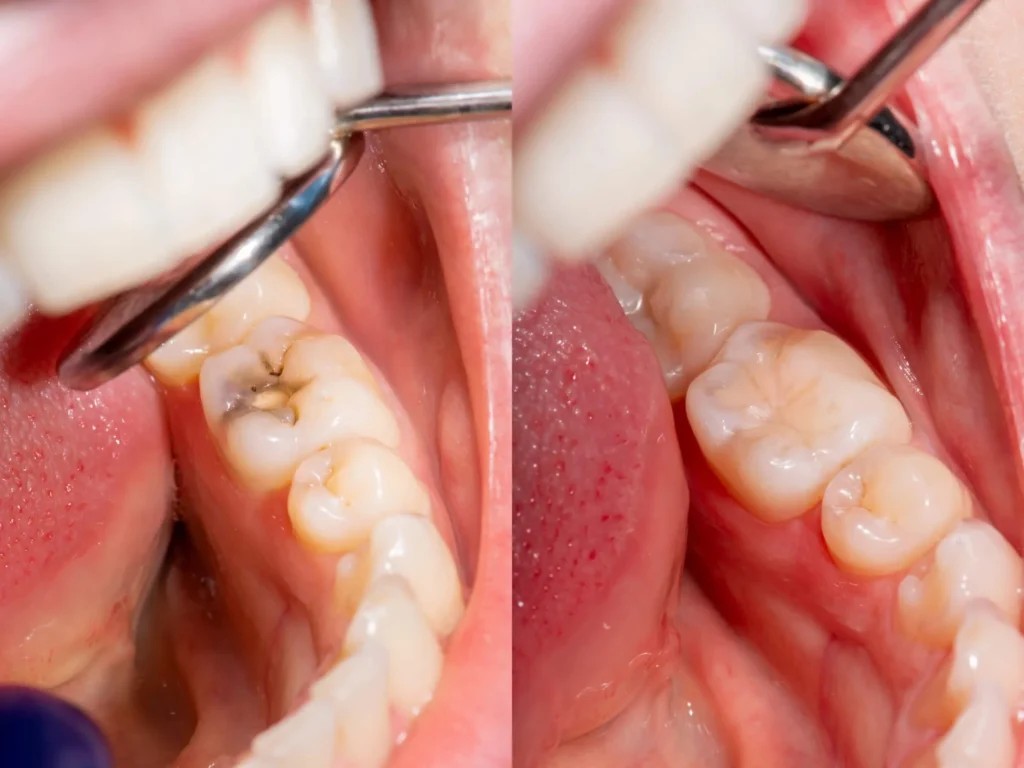
Over time, these acids wear away the enamel, creating tiny openings in the tooth. If not addressed, decay can spread deeper into the tooth, reaching the dentin and pulp. That’s when discomfort and sensitivity begin to appear.
The Role of Plaque and Bacteria
Your mouth naturally contains hundreds of types of bacteria, most of which are harmless. However, when bacteria feed on leftover food (especially sugars and starches), they create plaque—a thin, sticky film that coats your teeth.
If plaque isn’t removed effectively, it hardens into tartar, which brushing alone can’t remove. Tartar traps even more bacteria close to your gums and enamel, accelerating decay. This cycle can continue quietly for months before symptoms become noticeable.
How Acids Attack Enamel
Each time you eat or drink something sugary or acidic, your enamel temporarily softens as the pH in your mouth drops. Usually, saliva helps restore balance by neutralizing acids and replenishing essential minerals, such as calcium and phosphate.
However, if you snack frequently, drink sugary beverages, or have dry mouth, your teeth may not have enough recovery time. Repeated acid exposure weakens enamel, making it easier for cavities to form even if you brush twice daily.
Brushing Alone May Not Be Enough
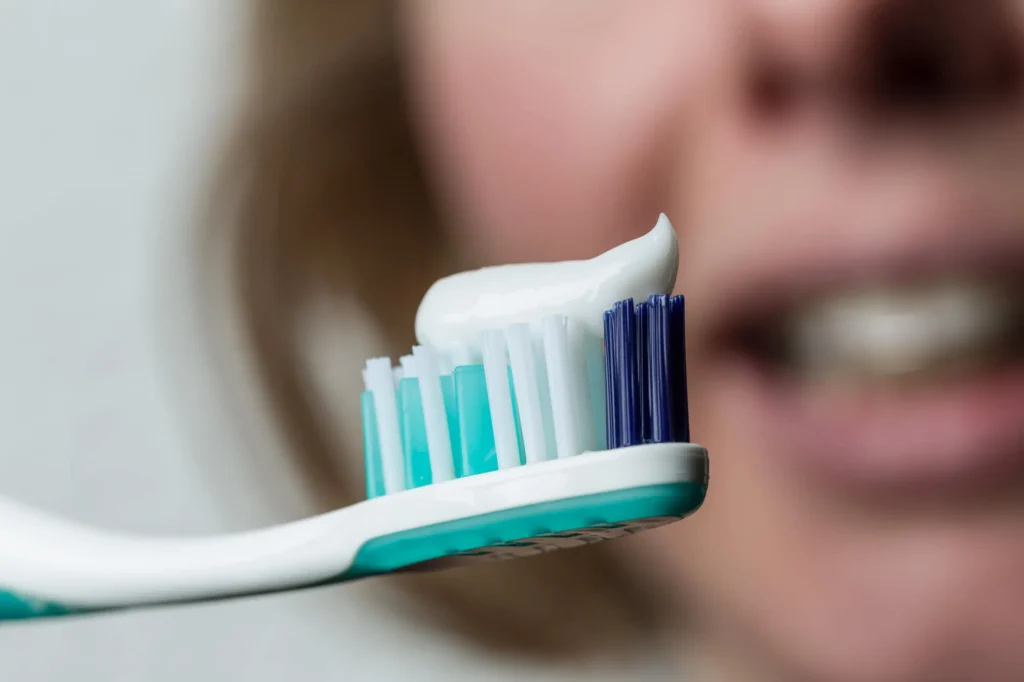
Brushing removes much of the plaque and food debris on the visible surfaces of your teeth. However, certain factors can still make you vulnerable to decay.
1. Technique and Timing Matter
Brushing too quickly or with the wrong technique can leave plaque behind—especially near the gumline and between teeth. The ideal method uses gentle, circular motions for at least two minutes.
Timing also plays a role. Brushing right after consuming acidic foods or drinks can actually harm enamel because it’s temporarily softened. Waiting about 30 minutes before brushing gives saliva a chance to remineralize your teeth.
2. Skipping Flossing and Rinsing
Plaque between teeth can’t be reached by a toothbrush alone. Flossing once a day removes debris where cavities often begin. A fluoride mouthwash can add an extra layer of protection by strengthening enamel and washing away residual bacteria.
3. Your Diet and Lifestyle Choices
Even if you brush well, a diet high in sugar or refined carbohydrates fuels cavity-causing bacteria. Sodas, sports drinks, fruit juices, and sticky snacks are common culprits. Frequent snacking keeps your mouth in a constant acid state, giving enamel little chance to recover.
Choosing water over sugary drinks and limiting between-meal snacks helps protect your smile more than you might think.
4. Saliva Flow and Dry Mouth
Saliva is your body’s natural defense against cavities—it neutralizes acids and helps wash away food particles. If you experience dry mouth, your risk of cavities increases.
Dry mouth can result from medications, dehydration, caffeine, alcohol, or simply breathing through your mouth. Staying hydrated, chewing sugar-free gum, and using alcohol-free mouth rinses can help boost saliva production.
5. Hidden Areas and Dental Anatomy
Some teeth, especially molars, have deep grooves that can trap bacteria. Even the most thorough brushing may not reach these crevices. Over time, plaque accumulates in these hard-to-reach areas, leading to decay.
Your dentist may recommend dental sealants for these surfaces. This thin, protective coating prevents bacteria from entering and reduces the risk of cavities.
Other Factors That Influence Cavity Risk
Cavities don’t always come down to brushing habits. Genetics, environment, and health conditions can also influence how prone you are to decay.
Genetics and Tooth Composition
Some people naturally have thinner enamel or more porous teeth, making them more susceptible to acid damage. The shape and spacing of your teeth can also affect how easily food particles get trapped.
Medical Conditions and Medications
Certain conditions, such as acid reflux or eating disorders, expose teeth to stomach acid, which erodes enamel over time. Medications that reduce saliva—such as antihistamines, antidepressants, or blood pressure drugs—can also raise cavity risk.
Age and Hormonal Changes
Children, teens, and older adults face higher cavity risks for different reasons. Kids often struggle with brushing thoroughly, while seniors may deal with gum recession or dry mouth. Hormonal changes, such as during pregnancy or menopause, can also affect oral health.
Preventing Cavities Beyond Brushing
Keeping your teeth cavity-free involves more than just brushing—it’s about adopting a complete oral care routine and maintaining regular professional checkups.
Professional Cleanings and Exams
Even with great home care, plaque can harden into tartar over time. Professional cleanings remove buildup from areas your toothbrush can’t reach. Regular exams allow your dentist to spot early signs of decay before they cause discomfort or require extensive treatment.
Your dentist can also apply fluoride treatments to strengthen enamel and reduce cavity risk. For some patients, custom mouthguards or nightguards may help protect teeth from grinding-related wear.
Smart Nutrition for Stronger Teeth
A balanced diet rich in calcium, phosphorus, and vitamin D supports strong enamel. Dairy products, leafy greens, nuts, and fish are excellent choices. Try to limit sugar intake to mealtimes rather than frequent snacks throughout the day.
Chewing crunchy fruits and vegetables like apples and carrots also stimulates saliva flow, helping cleanse your mouth naturally.
Daily Habits That Make a Difference
- Brush twice daily with a soft-bristled toothbrush and fluoride toothpaste.
- Floss once daily to clean between teeth.
- Rinse with fluoride or alcohol-free mouthwash.
- Stay hydrated to prevent dry mouth.
- Visit your dentist every six months for cleanings and exams.
These small but consistent habits create a powerful defense against decay.
Partner with Our Dentist in Sunrise, FL, Today!
Cavities can happen to anyone, even to the most diligent brushers. But with the right habits, diet, and professional support, you can keep your teeth strong and healthy for life.
At Horizon Dental Care, we believe prevention starts with knowledge and a caring relationship between our team and each patient. Our goal is to help you feel comfortable, confident, and informed about your oral health—because every smile deserves expert attention and genuine care. Schedule your appointment today!