
A quick walk down the oral care aisle can leave you facing whitening strips, pens, toothpastes, and standard trays, all promising a brighter smile. Yet the questions that matter most rarely fit on the box: Will it work on your type of discoloration, cause sensitivity, or create uneven color around dental restorations? Store-bought products offer general instructions, while professional care considers what is happening inside your mouth. Teeth whitening in Sunrise begins with an assessment that helps shape the method and instructions used.
How Does Professional Whitening Compare With Store-Bought Products?
Both professional and store-bought products may use peroxide-based ingredients. The main difference is how the method is selected, fitted, monitored, and adjusted.
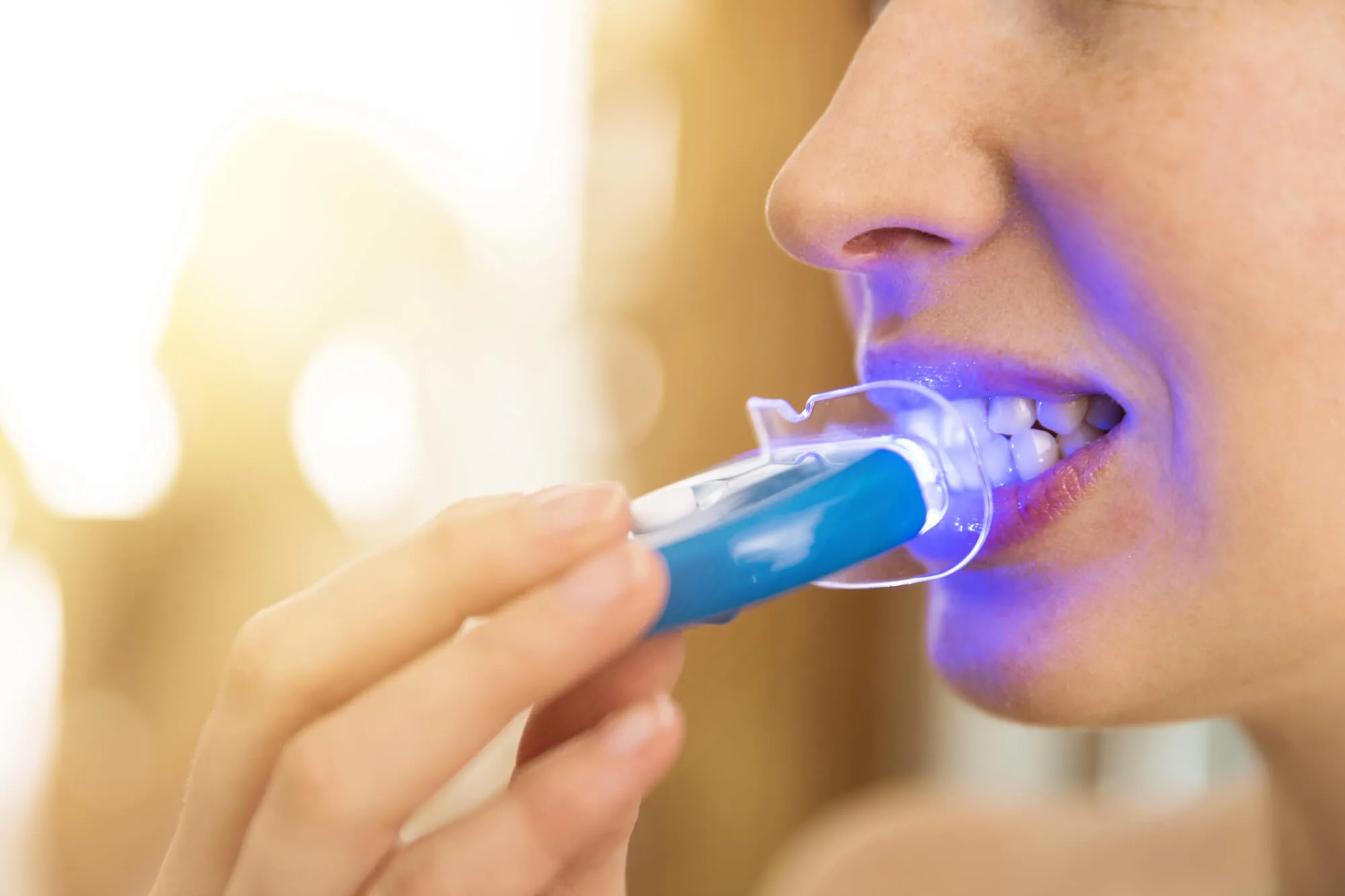
Professional take-home whitening kits pair custom trays and gel with instructions based on a dental examination. Store products are designed for broad use and cannot assess your enamel, gums, or existing dental work.
Professional Whitening Starts With a Dental Assessment
Discoloration can develop for different reasons. Coffee, tea, red wine, tobacco, and strongly pigmented foods may contribute to stains on or near the enamel surface. Color changes can also result from aging, dental trauma, exposure to medications during tooth development, or changes within a tooth.
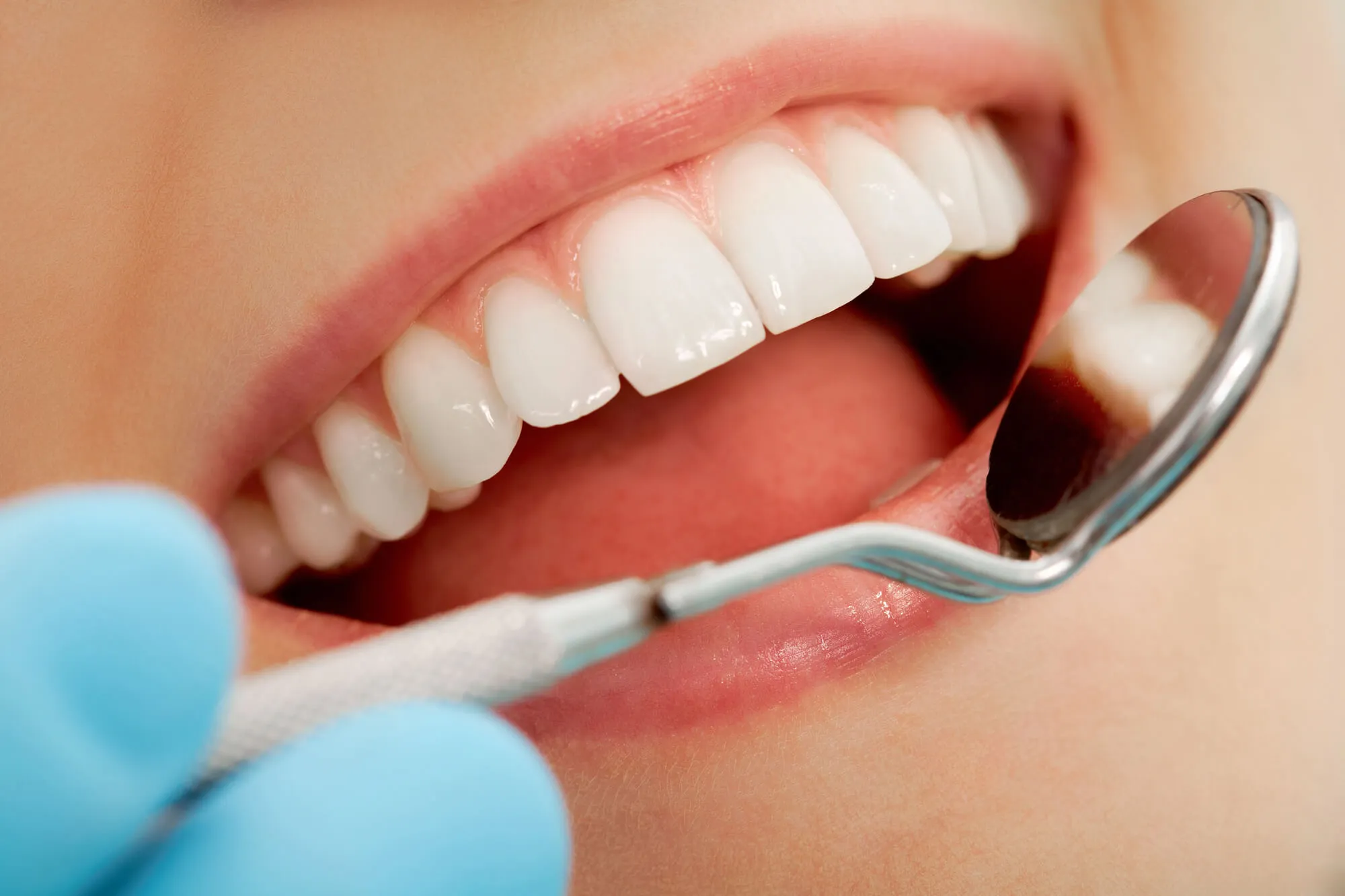
A dentist can examine the pattern and source of discoloration. The assessment may also identify cavities, cracks, worn enamel, gum inflammation, or exposed roots that could increase sensitivity. Whitening may need to wait until these areas receive care.
A store product cannot distinguish surface staining from a tooth darkened by injury, decay, or an existing restoration.
Custom Trays Are Made for Your Mouth
Professional take-home whitening uses trays created from impressions or digital scans of your teeth. The trays are shaped to sit closely against the dental arches and hold the prescribed amount of gel against the intended surfaces.
Store trays and strips use standard shapes. They may not fully contact rotated, crowded, short, or unevenly positioned teeth. A strip can shift, while a generic tray may allow gel to spread onto the gums. Fit can influence comfort and the evenness of the agent’s contact with the enamel.
Custom trays still require careful use. Excess gel may reach the gums without brightening teeth faster. Follow the prescribed amount, frequency, and wear time.
The Whitening Gel Comes With Personal Instructions
Products vary in peroxide type, concentration, recommended wear time, and application method. A higher concentration is not automatically more appropriate. The balance between strength and exposure time affects both whitening and the likelihood of sensitivity or gum irritation.
Professional guidance provides a schedule suited to the system and the patient’s oral health. If sensitivity develops, the dentist may adjust the frequency, gel amount, or session length. Packaging offers general directions but cannot assess symptoms.
Combining products or extending application time may increase discomfort without creating a more even shade.
Whitening Results Depend on the Type of Discoloration
Whitening works on natural tooth structure, but not every color change responds in the same way. Yellow or surface-related discoloration may respond more noticeably than gray, blue, or deeply internal color changes. Teeth can also brighten at different rates because enamel thickness and the color of the underlying dentin vary.
Professional care cannot promise one precise shade. A dentist can set realistic expectations based on the starting color, stain pattern, oral health, and dental history.
A product may produce little change if the discoloration does not respond well to peroxide, even when used as directed.
Dental Restorations Will Not Change Color
Whitening gel affects natural teeth. Fillings, crowns, veneers, bonding, and other tooth-colored restorations keep their existing shade. If visible dental work matches the teeth before whitening, it may appear darker after the surrounding enamel becomes brighter.
This does not automatically mean the dental work needs to be replaced. A dentist can identify possible shade differences before whitening begins.
Store kits may warn that restorations will not whiten, but they cannot predict how noticeable the contrast may become.
Professional Oversight Helps Manage Sensitivity
Temporary tooth sensitivity and gum irritation are recognized effects of peroxide whitening. Sensitivity may feel like brief, sharp responses to cold air, drinks, or contact. Gum irritation may occur when the gel touches the soft tissues.
Enamel wear, gum recession, exposed roots, cracks, cavities, gel concentration, and application time can influence sensitivity. An examination can identify factors that may require a slower schedule.
Contact the dental office if sensitivity becomes intense, lingers, or affects one tooth more than the others. Pain centered in one tooth may have a cause that whitening alone does not explain.
Store-Bought Products Serve Different Purposes
Whitening toothpaste mainly helps remove certain surface stains through mild abrasives or polishing agents. It does not bleach the internal color of a tooth in the same way that a peroxide gel does. Excessive pressure or frequent use of abrasive products may contribute to surface wear.
Whitening strips place gel over the front teeth, but their shape may affect contact around curved or misaligned teeth. Pens apply gel to selected areas, though saliva may reduce contact time.
Before selecting a store product, review:
- The active whitening ingredient
- Instructions for wear or application
- Warnings about sensitivity and gum irritation
- Whether the product carries the American Dental Association Seal of Acceptance
- Existing dental work, exposed roots, or unresolved symptoms
An ADA Seal indicates that a product meets program requirements for safety and effectiveness when used as directed. It does not establish personal suitability.
Frequently Asked Questions
Is professional whitening always done in the dental office?
No. It may include a dentist-supervised take-home system using custom trays, prescribed gel, and personal instructions.
Are store-bought whitening products unsafe?
Not necessarily. Problems are more likely when products are overused, combined, applied to unhealthy teeth or gums, or used despite ongoing pain.
How soon will my teeth look brighter?
Timing varies with the method, stain type, starting shade, and schedule. Deeper discoloration may respond slowly or remain partly visible.
Why do my teeth look uneven after whitening?
Enamel, dentin, stain type, dehydration, restorations, or a previously injured tooth can create uneven color. Contact the dentist if the difference continues.
Do You Have Questions About Professional Teeth Whitening in Sunrise?
Professional whitening begins with an oral health assessment and uses custom trays, professional gel, and personal instructions. This support helps manage sensitivity and account for restorations or discoloration that may respond unpredictably.
Horizon Dental Care focuses on comfortable, patient-centered dentistry and clear guidance at every stage of care. Contact the Sunrise office to schedule an evaluation and discuss whether professional take-home whitening is appropriate for your teeth and goals.