
Last Updated on August 18, 2026
Your child’s teeth may appear straight, while changes beneath the gums tell a different story. Crowding, early tooth loss, mouth breathing, or a jaw that shifts while biting may indicate developing orthodontic needs. An evaluation does not always mean treatment must begin immediately. It allows an orthodontist in Miramar to monitor your child’s dental growth and identify concerns at an appropriate age. Recognizing the signs early can help you feel more prepared for the recommendations you receive.
Why Early Orthodontic Evaluations Matter
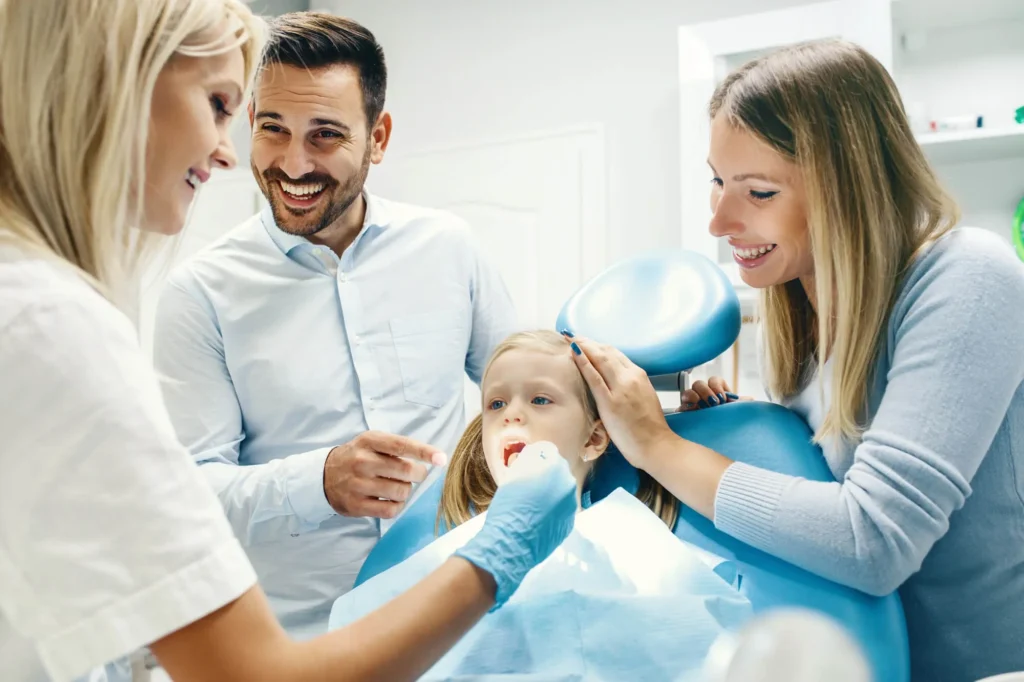
The American Association of Orthodontists recommends a first orthodontic evaluation by age seven. At this stage, children often have both baby and permanent teeth, allowing the provider to assess dental development, jaw growth, and emerging bite patterns.
An appointment may reveal limited space for incoming teeth or an imbalance between the jaws. It does not mean braces must begin immediately. Some children only need monitoring, while others may benefit from earlier care. Recommendations depend on the concern, current dental development, and each child’s growth pattern at the time of assessment.
Baby Teeth Are Lost Earlier or Later Than Expected
Baby teeth act as guides for the permanent teeth developing beneath them. Losing one tooth earlier than expected may allow nearby teeth to move into the open space, leaving less room for the permanent tooth. A baby tooth that remains in place too long may also interfere with normal eruption.
Children do not all lose their teeth on the same schedule, so a minor difference may not indicate a problem. A dental examination can indicate whether the eruption pattern falls within the expected range or warrants closer monitoring.
Permanent Teeth Appear Crowded or Out of Position
Permanent teeth may erupt at an angle, overlap neighboring teeth, or appear behind the baby teeth. These changes sometimes occur because the dental arch does not have enough space for the incoming teeth.
Crowding may become more noticeable as additional permanent teeth erupt. The provider will consider the available space, jaw growth, and positions of teeth that have not yet emerged. Early crowding does not always require immediate correction, but monitoring it can help the dental team recommend care at a suitable time.
The Upper and Lower Teeth Do Not Meet Properly
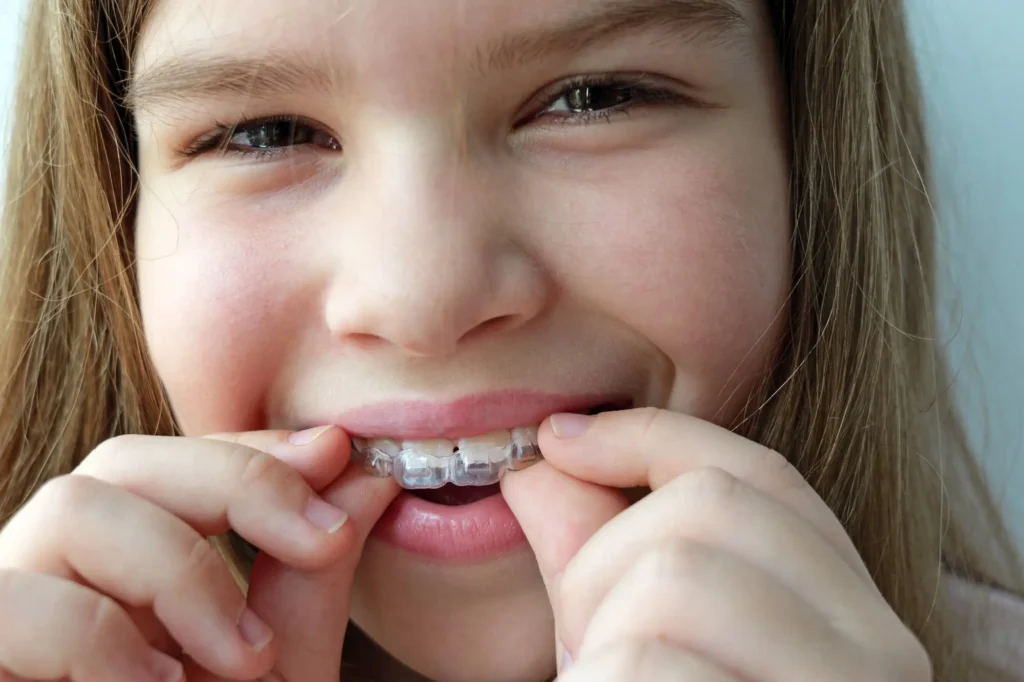
A child’s bite describes how the upper and lower teeth come together. Several bite patterns may warrant an orthodontic evaluation:
- Upper front teeth that cover much of the lower teeth
- Lower front teeth that sit ahead of the upper teeth
- Upper and lower front teeth that do not touch when the mouth closes
- Teeth that meet unevenly on one side
These patterns may affect tooth wear, jaw movement, or dental development. Some bite differences are easier to address while a child is growing, although treatment recommendations vary according to their cause and severity.
The Jaw Shifts During Biting
Watch your child’s jaw as they slowly close their mouth. If the jaw slides to one side before the teeth meet, the bite may be guiding it into an uneven position. Your child’s chin may also appear off-center when the mouth is closed.
A jaw shift can be associated with a crossbite or another difference in how the teeth contact each other. The provider can examine whether the shift comes from tooth position, jaw development, or both. This assessment helps determine whether monitoring or orthodontic care may be appropriate.
Chewing or Biting Seems Difficult
Children may not always explain that their bite feels uncomfortable. Instead, they may avoid certain textures, chew mainly on one side, bite their cheeks frequently, or take longer to finish meals. Food may also be difficult to bite cleanly with the front teeth.
These behaviors can have several causes and do not automatically indicate an orthodontic problem. A dental evaluation can help identify whether tooth alignment or the bite is contributing to the difficulty.
Thumb-Sucking or Pacifier Use Has Continued
Thumb-sucking and pacifier use are normal soothing behaviors during infancy and early childhood. If either habit continues as the permanent teeth begin erupting, it may influence the position of the front teeth or the shape of the dental arches.
The effects depend on how often, how forcefully, and how long the habit occurs. Parents should avoid shaming or punishing a child for their behavior. A dental provider can offer age-appropriate advice and assess whether changes to the teeth or bite are developing.
Your Child Frequently Breathes Through the Mouth
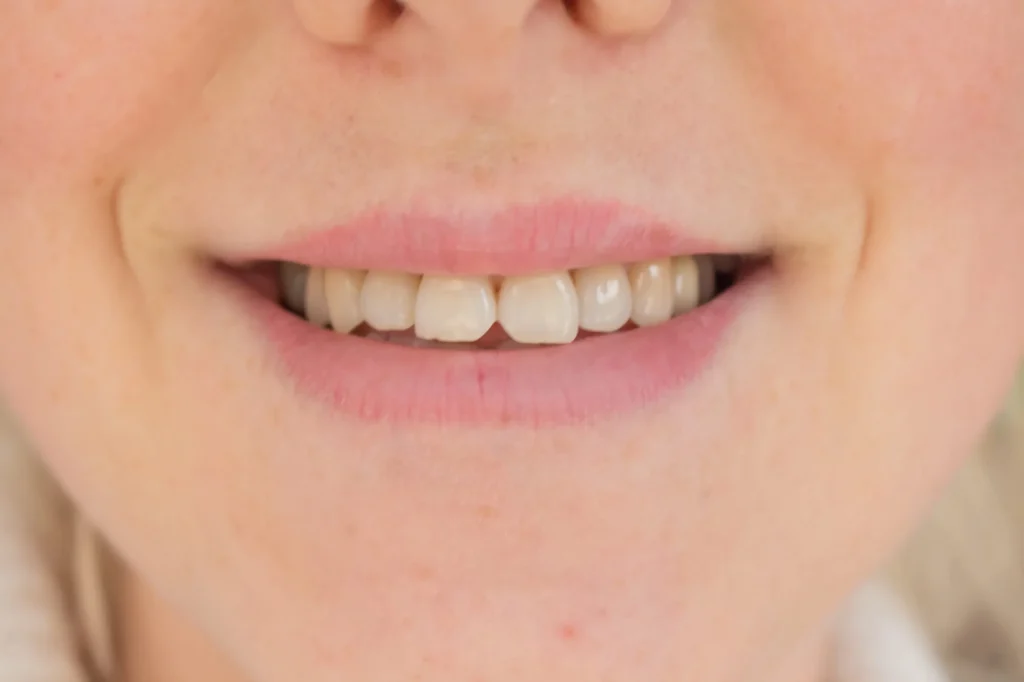
Occasional mouth breathing during a cold is different from a pattern that continues during the day or while sleeping. Ongoing mouth breathing may be associated with nasal obstruction, allergies, enlarged tonsils, or other airway factors. It may also occur alongside changes in oral posture and facial growth.
Persistent mouth breathing may have causes beyond the teeth and jaws. The provider may identify related dental features and recommend consultation with a pediatrician or another healthcare professional when appropriate.
The Front Teeth Protrude Noticeably
Upper front teeth that project forward may be more vulnerable to injury during falls, play, or sports. Protrusion may relate to tooth position, the relationship between the jaws, or oral habits.
The provider can measure how far the teeth extend and assess whether the lips close comfortably over them. Based on the findings, the recommendation may be observation, orthodontic care at a later stage, or earlier treatment intended to address a specific concern.
There Is a Family History of Orthodontic Problems
Jaw shape, tooth size, and certain bite patterns can run in families. If parents or siblings experienced severe crowding, impacted teeth, missing permanent teeth, or pronounced bite differences, an early evaluation may be worthwhile.
Family history does not mean a child will develop the same condition. It gives the dental team useful context when reviewing eruption patterns and jaw growth. Dental imaging may be recommended when needed to check the positions of developing permanent teeth.
Frequently Asked Questions
Does every seven-year-old need braces?
No. Age seven is recommended for an evaluation, not automatic treatment. Monitoring may be the only recommendation.
Can a child receive Invisalign?
Invisalign® may be suitable for certain children who have the appropriate dental development and can follow the wear schedule. Candidacy requires an examination.
Should we wait until every permanent tooth has erupted?
Not always. Waiting may be appropriate for some children, while specific bite or eruption concerns may benefit from earlier attention.

Visit an Orthodontist in Miramar for an Early Evaluation
A timely evaluation can clarify whether your child’s teeth and jaws are developing as expected. It can also provide reassurance when no immediate care is necessary.
Horizon Dental Care offers family-focused orthodontic evaluations with personalized recommendations and clear explanations for parents and children. Contact the Miramar office to schedule an appointment and learn whether your child may benefit from orthodontic monitoring or treatment.
*Invisalign®, the Invisalign logo, and iTero®, among others, are trademarks and/ or service marks of Align Technology, Inc. or one of its subsidiaries or affiliated companies and may be registered in the U.S. and/or other countries.